What These Terms Actually Mean
In insurance, a "peril" is simply a cause of loss — fire, theft, windstorm, water damage from a burst pipe. How your policy handles perils determines whether a given claim gets paid. The two dominant approaches are named perils and open perils, and they work in opposite directions.
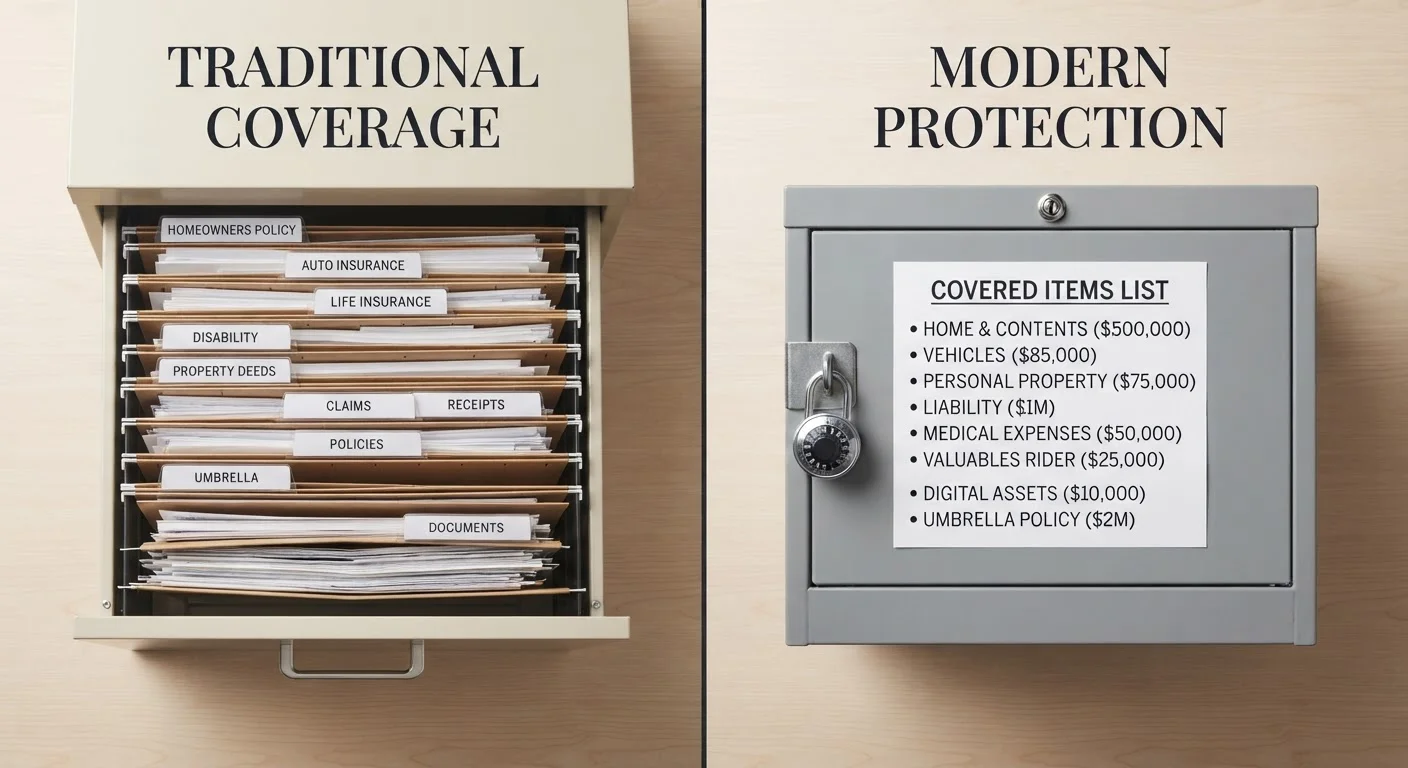
A named perils policy covers only the specific causes of loss written into the policy document. Common examples include fire, lightning, explosion, theft, vandalism, and certain types of water damage. If your loss was caused by something not on that list — say, a tree root damaging your foundation — your claim will likely be denied. The burden falls on you, the policyholder, to show that the cause of your loss matches one of the named events.
An open perils policy (also called "all-risk" coverage, though that label can be misleading) flips the logic. It covers any cause of loss unless the policy explicitly excludes it. The insurer carries the burden of pointing to a specific exclusion to deny a claim. This makes open perils coverage broader by default, though exclusions can still be substantial.
For a broader look at how policy language shapes what you're actually protected for, see what qualifies as a covered peril.
| Criterion | Named Perils | Open Perils |
|---|---|---|
| How coverage is defined | Lists what IS covered | Lists what is NOT covered |
| Burden of proof for a claim | Policyholder must show cause matches a listed peril | Insurer must show cause matches a listed exclusion |
| Default breadth of protection | Narrower — gaps exist for unlisted events | Broader — unlisted events are generally covered |
| Typical premium cost | Generally lower | Generally higher |
| Common policy types | Renters insurance (HO-4), personal property in HO-3 | Dwelling coverage in HO-3, commercial property policies |
| Flood and earthquake coverage | Typically excluded | Typically excluded |
Where Each Type Shows Up in Real Policies
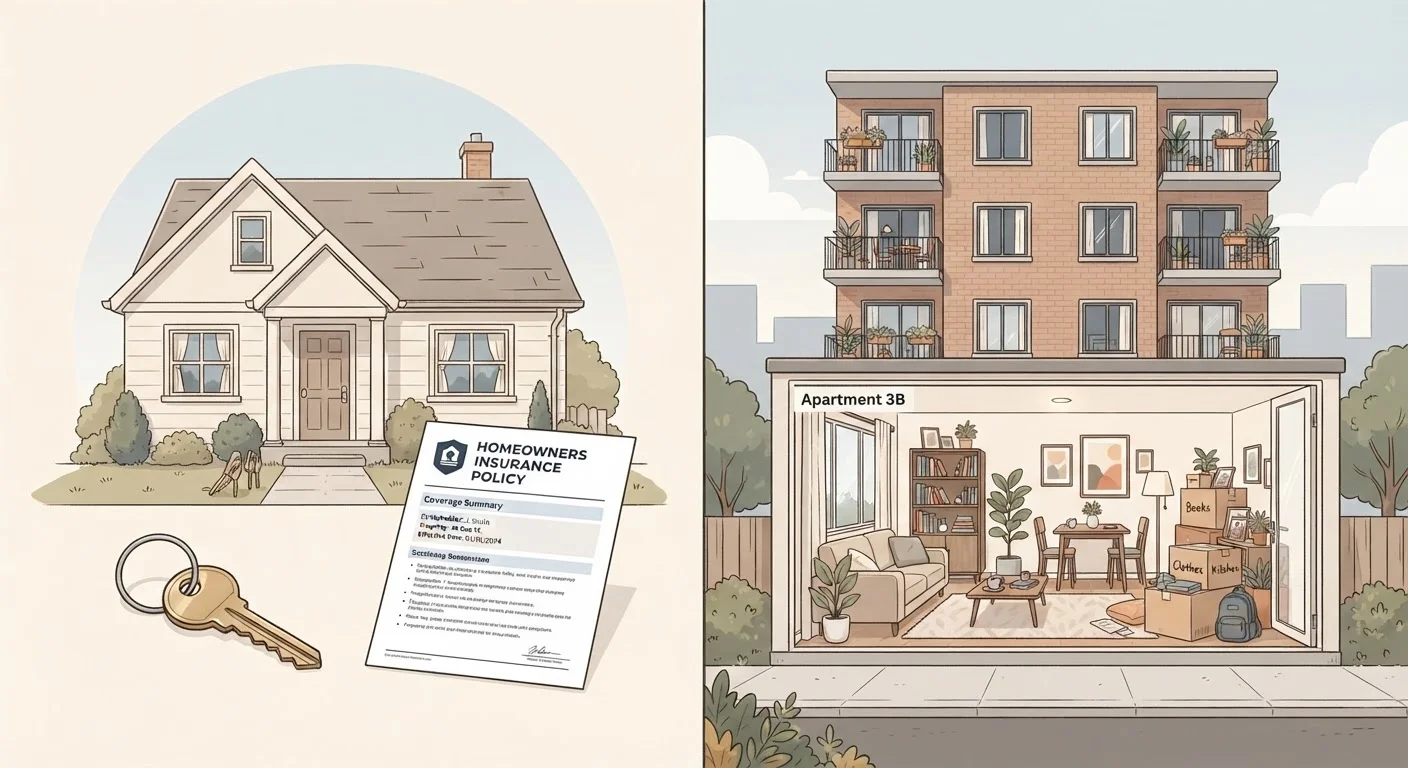
Named perils and open perils coverage don't always apply to the entire policy — some policies split coverage by what's being protected. A standard homeowners policy (commonly called an HO-3) is a common example: it typically uses open perils for the dwelling structure but named perils for personal property inside the home. This means a sudden, accidental loss to your roof might be covered even if the cause isn't listed, while a similar but unlisted cause of loss affecting your furniture may not be.
Renters insurance (HO-4) is almost always a named perils policy, covering personal belongings against a defined list of events. To understand how these policies differ in scope, homeowners vs. renters insurance explains what each covers and doesn't.
"All-Risk" Doesn't Mean All Risks
Open perils policies are sometimes marketed as "all-risk" coverage, which sounds comprehensive — but it can be misleading. Every open perils policy contains exclusions, and some of those exclusions are significant: floods, earthquakes, intentional acts, and normal wear and tear are excluded in nearly every policy of this type. The term "all-risk" refers to the structure (covering anything not excluded), not to the absence of limitations. Always read the exclusions section before assuming a loss is covered.
One critical point regardless of policy type: both named perils and open perils policies routinely exclude floods and earthquakes. These require separate policies in virtually every case. Don't assume that "all-risk" means all risks — the exclusions section of any policy can be lengthy.
If you want to close specific gaps in either type of policy, endorsements can sometimes add coverage for perils that weren't originally included. Riders and endorsements explain how that customization process works.
How to Tell Which Type You Have
Your declarations page — the summary document at the front of your policy — will often describe your coverage form, but the clearest signal is in the policy's insuring agreement. If it lists specific causes of loss and says coverage applies to those events, you have named perils. If it describes coverage for "direct physical loss" without listing causes, and then defines coverage by what it doesn't include, you have open perils.
When in doubt, look for a section labeled "Perils Insured Against" or "Covered Causes of Loss." If you see a bullet list of events like fire, theft, and windstorm, that's a named perils structure. If the language is broader and the exclusions section carries more weight, that points to open perils. Our plain-language insurance glossary can help decode the specific terms you encounter.
~40%
Homeowners who don't read their full policy
Consumer surveys conducted by insurance industry research groups consistently find that a large share of homeowners review only their declarations page, not their full policy terms and exclusions.
~1 in 50
Insured homes with a claim each year
The Insurance Information Institute has reported that roughly 1 in 50 insured homeowners files a property claim annually, underscoring how often the named vs. open perils distinction matters in practice.
Many policyholders have made costly assumptions about what their policy covers without ever reading the insuring agreement. Understanding whether you hold a named perils or open perils policy is a foundational step — and common coverage misconceptions shows where those assumptions most often go wrong.
This article is for general informational purposes only and does not constitute personalized insurance, legal, or financial advice. Coverage terms, exclusions, and availability vary by insurer and state. Always read your actual policy documents and consult a licensed insurance professional for guidance specific to your situation.