Why the Premium Fuel Myth Persists
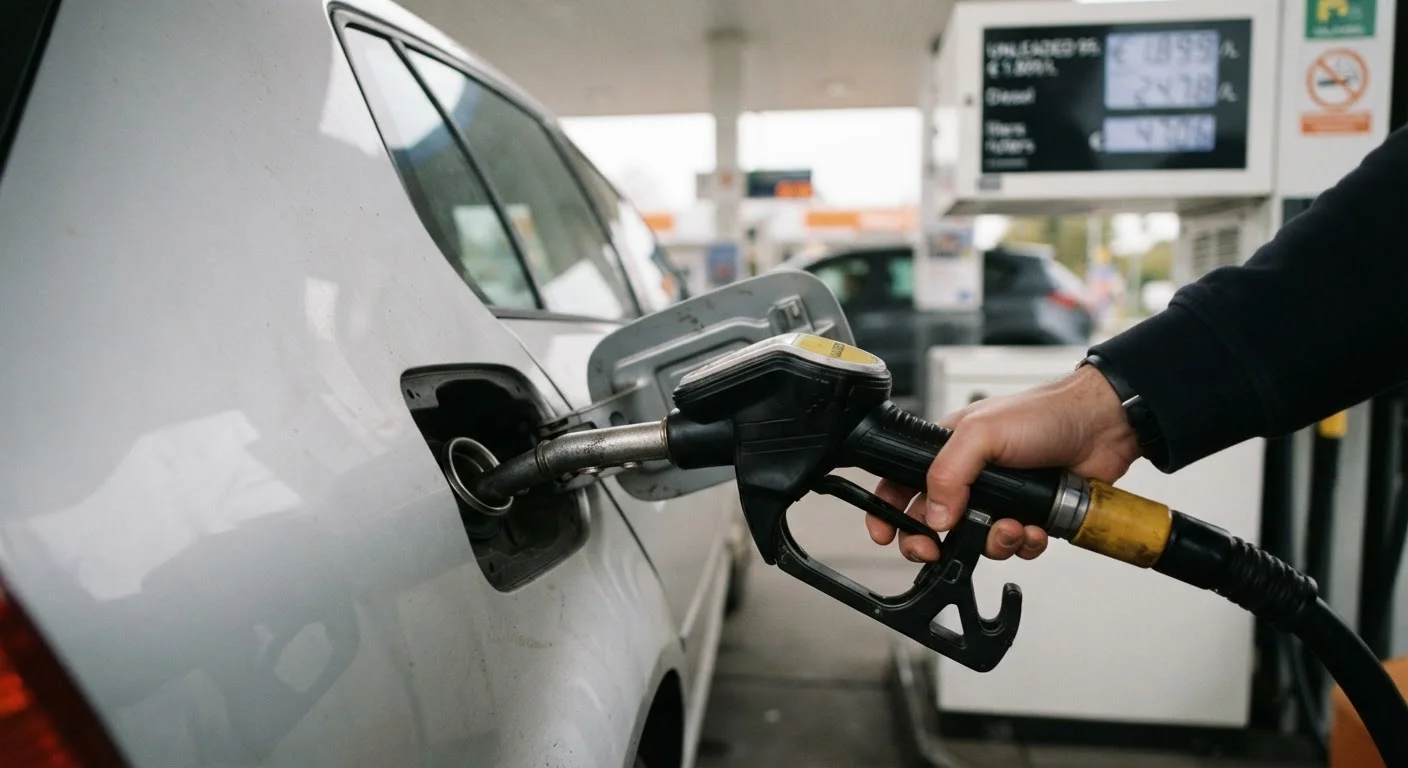
Walk into any gas station and the premium pump sits at the top of the grade options, priced noticeably higher. For many drivers, that price gap implies quality — the assumption being that a more expensive fuel must be doing more good for the engine. It's an understandable leap, but it's not supported by engineering.
Premium gasoline is defined by a higher octane rating, typically 91–93 AKI (Anti-Knock Index) in the United States, compared to regular's 87. Octane is a measure of a fuel's resistance to pre-ignition — the tendency of the air-fuel mixture to detonate before the spark plug fires. That's an important property, but only for engines designed to need it. For the majority of vehicles on the road today, the standard 87-octane fuel is precisely what the manufacturer engineered around.
Fuel marketing and consumer psychology do real work here. Terms like "premium" and "super" carry strong connotations, and at a price difference of 20–50 cents per gallon, it feels like cheap insurance. The reality is that paying for octane your engine doesn't need is simply paying more for no return.
Common Misconceptions, Corrected
The myths around premium fuel are persistent and widespread. Below, each one is addressed with what the engineering actually shows.
Myth
Premium fuel cleans your engine better than regular gas.
Fact
Detergent additives that clean fuel injectors and intake valves are required in all grades of gasoline sold in the United States, not just premium.
Since 1995, the U.S. Environmental Protection Agency has required minimum detergency standards for all gasoline grades. Many fuel retailers go further with what are marketed as "Top Tier" detergent standards, but this is independent of octane rating — you can find regular-grade fuel meeting these standards just as readily as premium. The octane number tells you nothing about a fuel's cleaning properties.
Myth
Using premium fuel in a regular-engine car improves fuel economy.
Fact
Independent testing has consistently found no meaningful improvement in fuel economy when premium is used in engines calibrated for regular grade.
Fuel economy is primarily a function of engine efficiency, driving behavior, vehicle load, and aerodynamics. The combustion energy difference between 87 and 93 octane in an engine not designed to exploit higher octane is negligible. The U.S. Department of Energy notes that unless your vehicle's manufacturer recommends or requires premium, the higher cost per gallon will not be offset by any mileage gains.
Myth
Premium gas is more refined and therefore higher quality overall.
Fact
Octane rating reflects resistance to pre-ignition, not purity, energy content, or overall fuel quality.
Both regular and premium gasoline are refined from the same crude oil streams. Premium fuel contains additives and blending components — such as higher concentrations of isooctane — that raise its octane number. This does not make it more energetically dense or chemically cleaner in any sense relevant to a standard engine. Energy content per gallon is comparable across grades.
Myth
All high-performance or powerful-sounding cars need premium fuel.
Fact
Engine displacement, horsepower, and the word "Sport" on the badge do not determine octane requirement — compression ratio and turbocharging do.
A large naturally aspirated V8 in a full-size pickup may run perfectly on 87 octane, while a small turbocharged four-cylinder performance hatchback may genuinely require 91 or higher. The critical factors are compression ratio and whether forced induction is used — not marketing terminology or engine size. Always consult the owner's manual rather than assuming power output implies premium need.
Myth
If your engine pings or knocks, switching to premium permanently fixes the problem.
Fact
Engine knock in a car designed for regular fuel often signals an underlying mechanical issue, not a fuel grade deficiency.
While switching to higher octane may suppress knock symptoms in some cases, persistent knocking in an engine specified for regular fuel warrants a proper diagnostic inspection. Carbon buildup, overheating, a malfunctioning knock sensor, or ignition timing issues can all produce similar symptoms. Using premium as a substitute for diagnosing the real cause can delay necessary repairs and lead to greater engine damage over time.
How to Know What Your Engine Actually Needs
The single most reliable source is your vehicle owner's manual. Manufacturers use precise language deliberately: if the manual says regular fuel is recommended, premium offers no benefit. If it says premium is required, using regular risks pre-ignition and potential long-term engine damage.
Required vs. Recommended: A Critical Distinction
When a manufacturer states that premium fuel is "required," using regular-grade gasoline can cause pre-ignition (knock) that damages the engine over time. When premium is listed as "recommended" but not required, regular fuel is safe to use, though some performance headroom may be marginally reduced. Never rely on pump signage or advertising to make this determination — only your owner's manual provides the authoritative answer for your specific engine.
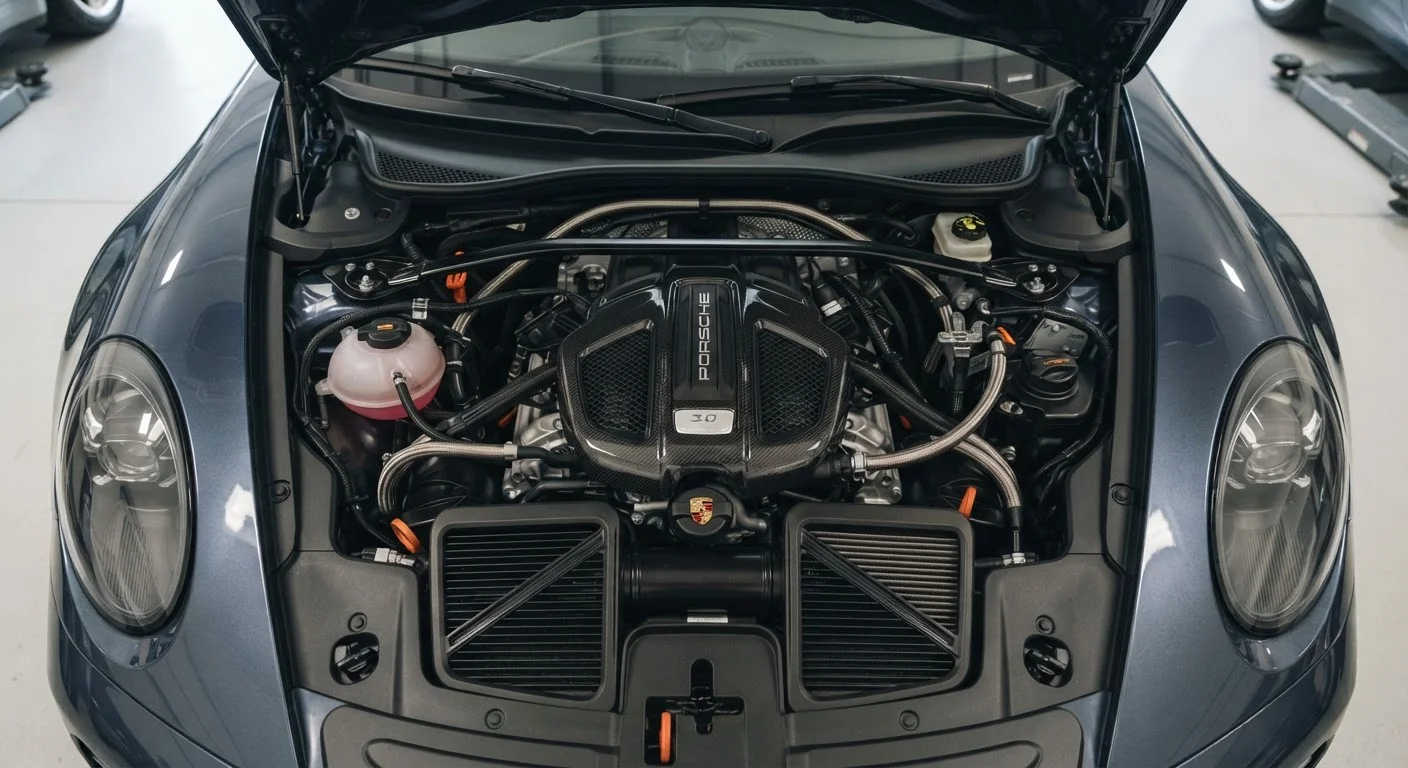
High-compression engines — common in performance sedans, turbocharged vehicles, and some larger trucks — genuinely need premium fuel because their combustion chambers generate more heat and pressure. In those engines, lower-octane fuel can combust prematurely, causing knock. Modern engine management systems can partially compensate by retarding ignition timing, but that trade-off reduces power output and, over time, increases wear.
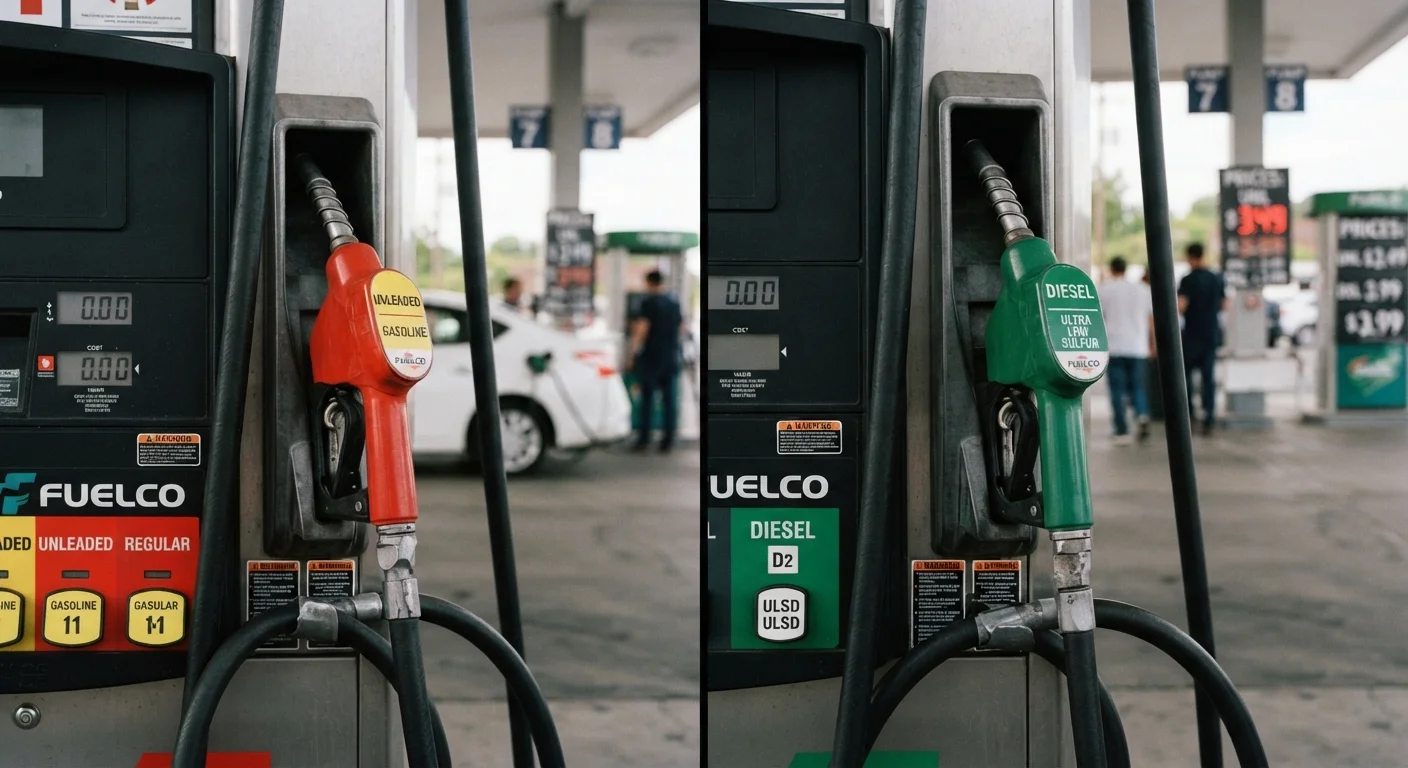
Consistent, appropriate fuel choice is part of the broader picture of thoughtful vehicle care. For more on building habits that support engine longevity, see our guide to long-term vehicle reliability. And for a deeper look at how fuel type intersects with engine design, our comparison of gasoline and diesel engines covers the key mechanical distinctions.
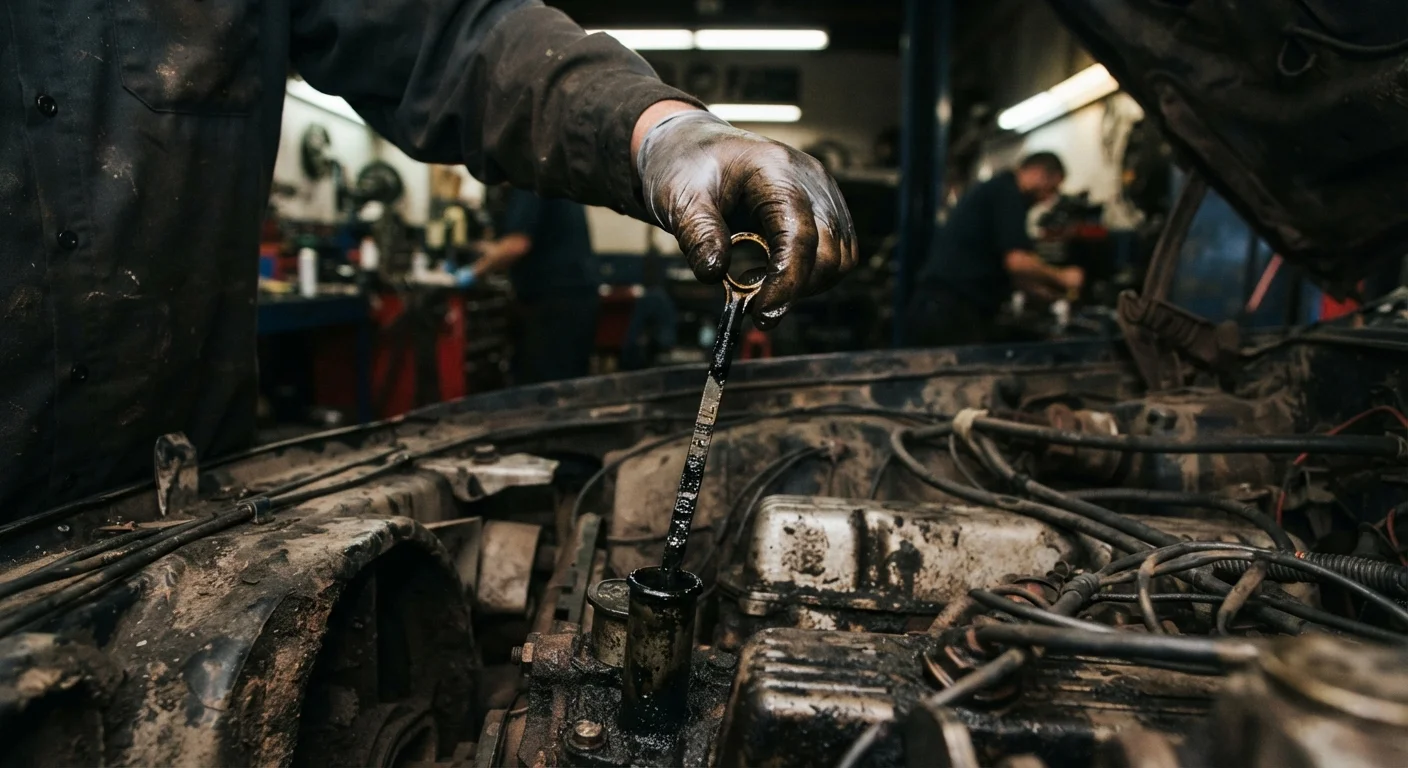
Fuel choice is just one piece of engine health. Neglecting other fundamentals — like routine oil changes — can quietly undermine even the best fueling habits. See why oil maintenance matters more than many drivers realize.