Why the Distinction Matters
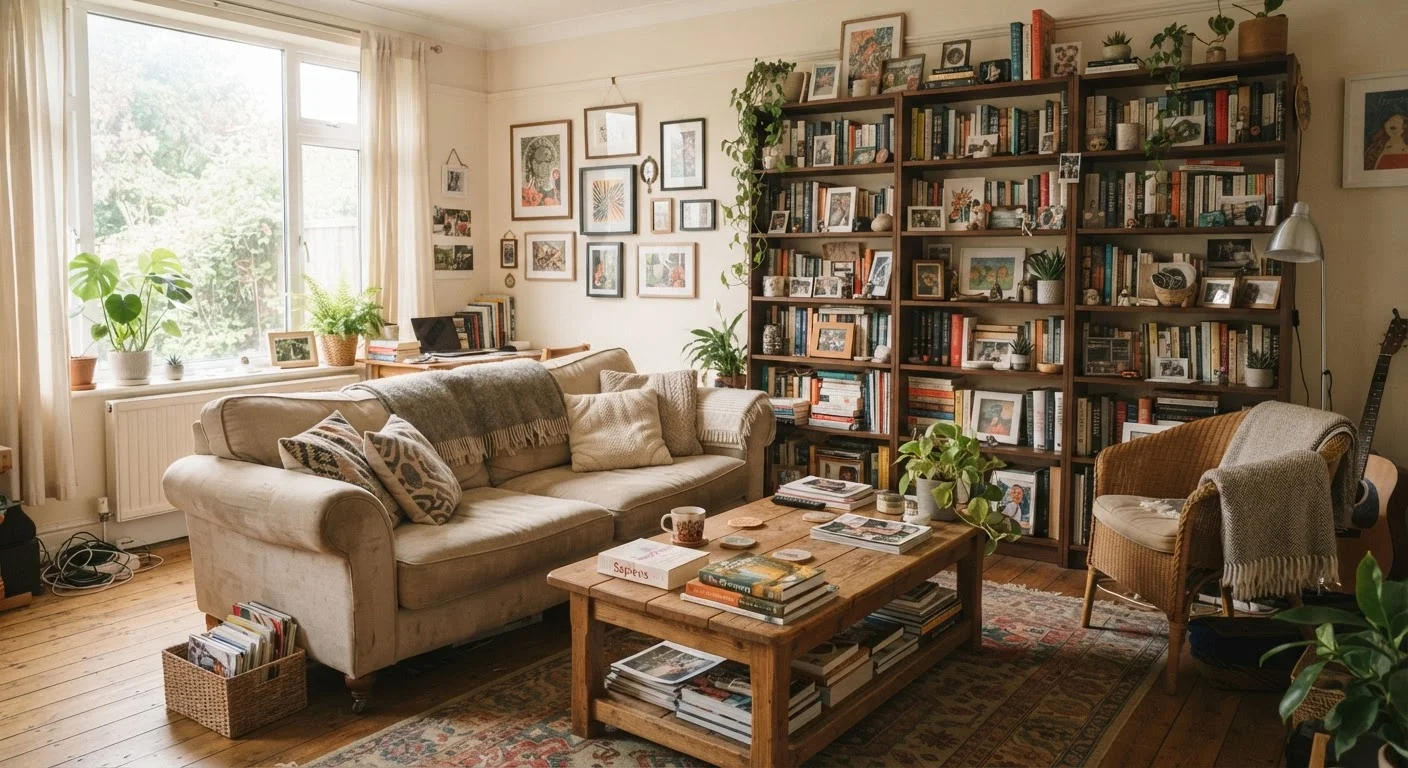
Most people use the words decluttering and organizing as if they mean the same thing. They don't - and conflating them is the reason so many tidying efforts fail within weeks. If you've ever spent a weekend sorting belongings into bins and baskets, felt briefly satisfied, and then watched the chaos creep back within a month, this distinction is the explanation.
Decluttering is a reduction process. It means deciding which items belong in your home and which ones don't - and physically removing the ones that don't. It's fundamentally about making choices: keep, donate, discard, or relocate. No containers required.
Organizing is a placement process. It means creating a logical, accessible system for the items you've decided to keep. It involves categories, storage solutions, and spatial logic. Bins, labels, and drawer dividers are organizing tools - they have no power over volume.
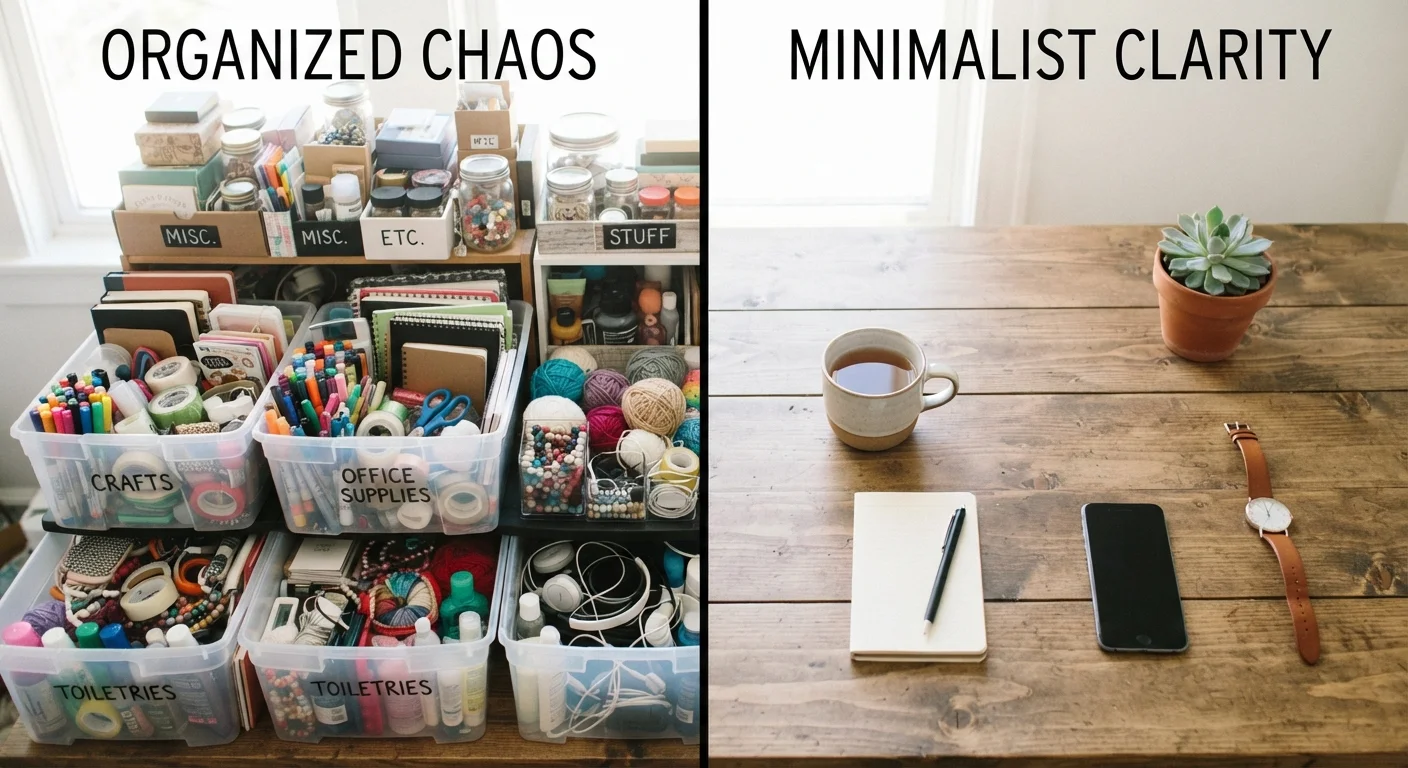
The critical insight: you cannot organize your way out of having too much stuff. A well-labeled bin holding 40 items you rarely use is still clutter - it's just contained clutter. It will overflow, get jumbled, and demand attention again. This is exactly why a room can feel cluttered even after a thorough cleaning - the underlying volume hasn't been addressed.
How Each Process Actually Works
Understanding what each step demands helps you approach them with the right mindset and tools.
Decluttering: A Decision-Making Process
Decluttering requires honest evaluation of each item against a consistent standard. Common questions include: Do I use this? Would I buy it again today? Does it earn its physical space? The difficulty is emotional, not physical - sentimental attachment, guilt about spending, and the fear of needing something later are the real obstacles.
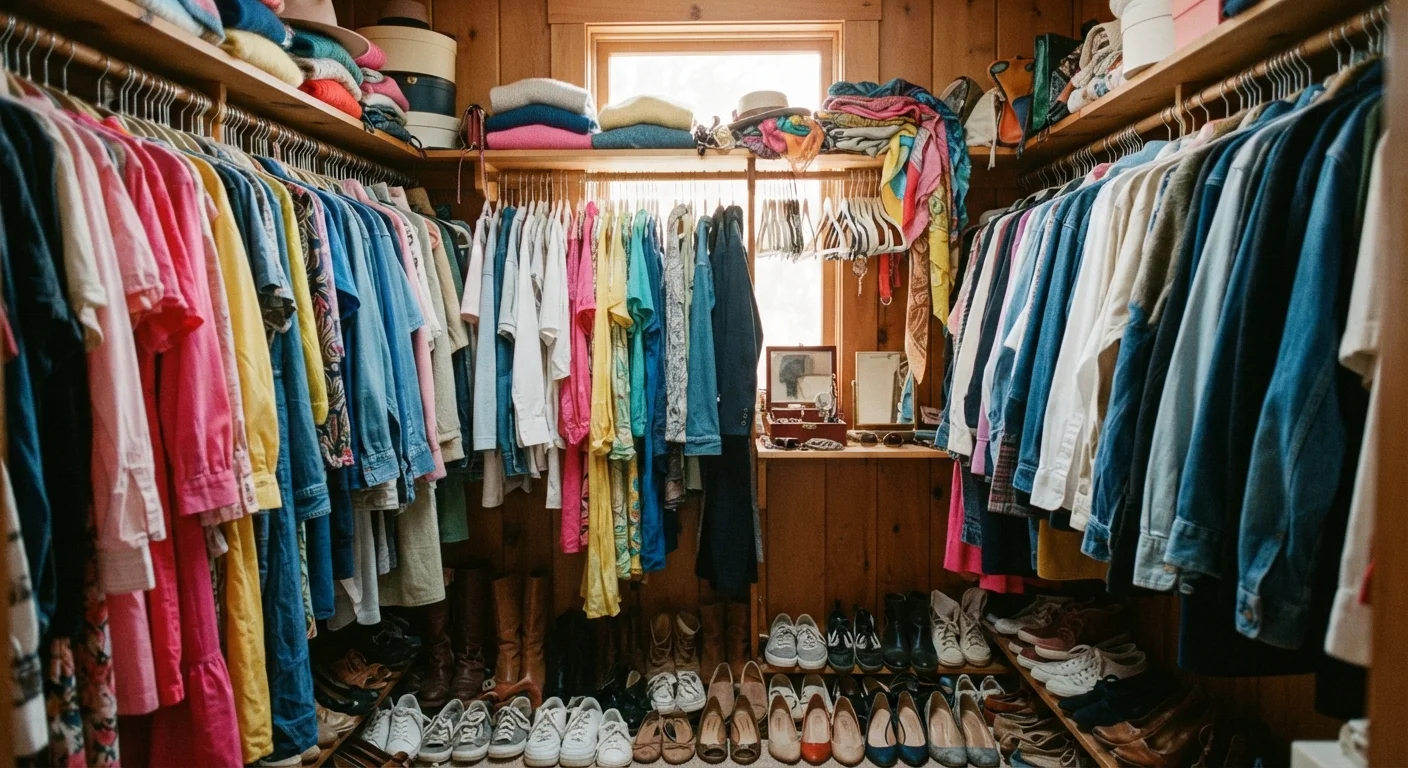
Decluttering is ideally done category by category rather than room by room, so you can see the full volume of similar items at once. A wardrobe audit, for example, becomes more revealing when you pull every piece of clothing from every room and assess it together. For a deeper look at what that process can reveal, see why a full wardrobe often still feels wrong.
Organizing: A Systems Process
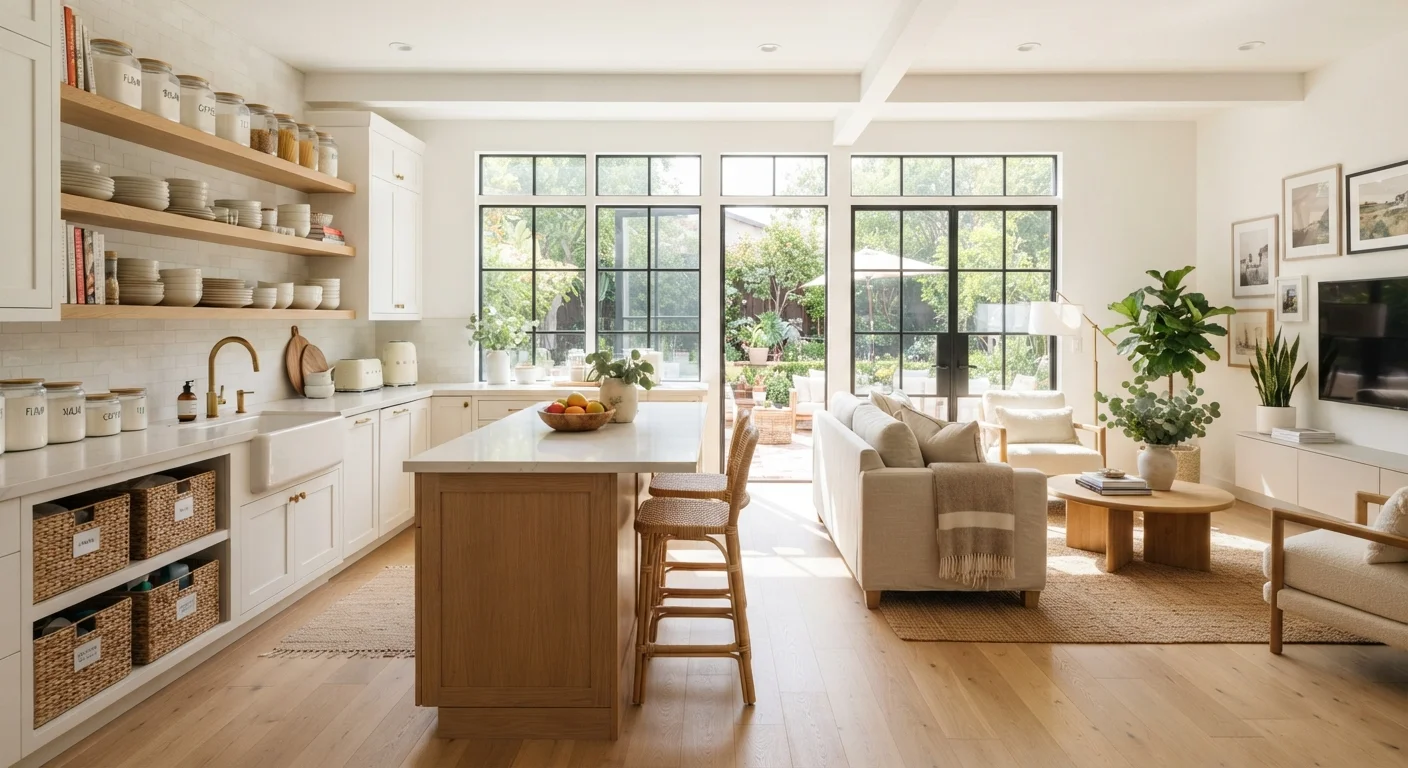
Once you know what you're keeping, organizing asks: where should this live, and how should it be stored so it's easy to retrieve and return? Good organization respects frequency of use - items used daily should be the most accessible. It also respects category logic, spatial constraints, and the habits of everyone in the household.
Declutter Before You Shop for Storage
A very common mistake is buying organizers, bins, or shelf inserts before knowing what you're actually keeping. Assess and reduce your possessions first - then measure and shop. You'll likely need far less storage than you think, and what you do buy will actually fit your needs.
For a practical room-by-room breakdown of how to build these systems, the room-by-room guide to functional home organization walks through the specific considerations each space presents.
Decluttering vs. Organizing: A Direct Comparison
The table below captures the core differences at a glance, which can help you identify which phase your home actually needs right now.
| Decluttering | Organizing | |
|---|---|---|
| Core activity | Deciding what to keep or remove | Deciding where kept items live |
| Primary challenge | Emotional decision-making | Spatial and systems design |
| Tools needed | Donation bags, clear criteria | Bins, labels, storage solutions |
| What it reduces | Volume of possessions | Retrieval time and visual noise |
| Effect without the other | Empty space with no system | Neat-looking but unsustainable order |
| Correct sequence | Must come first | Should follow decluttering |
If your storage systems feel perpetually overwhelmed, you're likely in a decluttering problem - not an organizing problem. Buying more storage bins to manage excess items is a short-term fix that increases both spending and clutter over time. It also quietly reinforces the idea that managing more stuff is the answer, when less stuff often is. This connects directly to broader habits around ownership - the case for owning fewer clothes makes a compelling argument about how volume itself creates friction, regardless of how well things are arranged.
The Right Order - and Why Sequence Is Everything
The sequence is non-negotiable: declutter first, then organize. Attempting to organize before you've reduced volume means you're designing systems around a quantity of items you may not actually need. When you later remove things - as inevitably happens - your carefully built systems no longer fit.
Practically, this means resisting the urge to purchase storage solutions before you know what you're storing. Many households have shelves, bins, and drawer organizers they bought to solve a problem that more decluttering would have dissolved. That cycle also has a financial dimension: spending money on containers to manage excess is worth examining honestly as part of any household budgeting review.
Organizing Excess Creates Hidden Clutter
Neatly stored items you don't use are still clutter - they just become invisible for a while. Over time, organized excess adds up: it fills storage space, makes retrieval harder, and eventually collapses the system. If a storage area regularly gets out of control, treat it as a signal to declutter rather than to reorganize.
Once decluttering is complete, the organizing phase becomes far more intuitive. With less to manage, category groupings are clearer, storage needs are modest, and systems are easier to maintain - because there's simply less to maintain.