
The Core Idea: Flip the Savings Order
Most people approach saving the same way: they pay their bills, cover their expenses, enjoy some discretionary spending, and then — if anything remains — put it aside. The pay-yourself-first method inverts this entirely. Savings come out of your paycheck first, automatically, before the rest of your budget is touched.
The phrase frames savings as an obligation to yourself, equivalent to any bill you wouldn't skip. In doing so, it sidesteps the most common reason people don't save: they intend to, but the money gets absorbed before they get around to it.
This isn't a new idea. The concept appears in George Clason's 1926 book The Richest Man in Babylon, which advised readers to keep one-tenth of their earnings. Modern personal finance has largely absorbed it into mainstream budgeting guidance. For a broader look at how it compares to other approaches, see budgeting methods compared.
Why Automation Is the Real Mechanism
The strategy doesn't rely on willpower or careful month-end accounting. It relies on removing the decision entirely. When a transfer to a savings account or a 401(k) contribution happens automatically on payday, you never exercise the choice to spend that money — it simply isn't available for day-to-day use.
Behavioral economists call this a "commitment device" — a structure that makes a desired behavior automatic rather than requiring repeated self-discipline. Research in this area consistently shows that automatic savings programs increase the amounts people actually save compared to intention-based approaches.
57%
Americans with less than $1,000 in savings
A 2023 survey by Bankrate found that a majority of U.S. adults would struggle to cover an unexpected $1,000 expense from savings alone.
~40%
401(k) participation rate increase with auto-enrollment
Research published by the National Bureau of Economic Research found that automatic enrollment in retirement plans dramatically increases participation compared to opt-in systems.
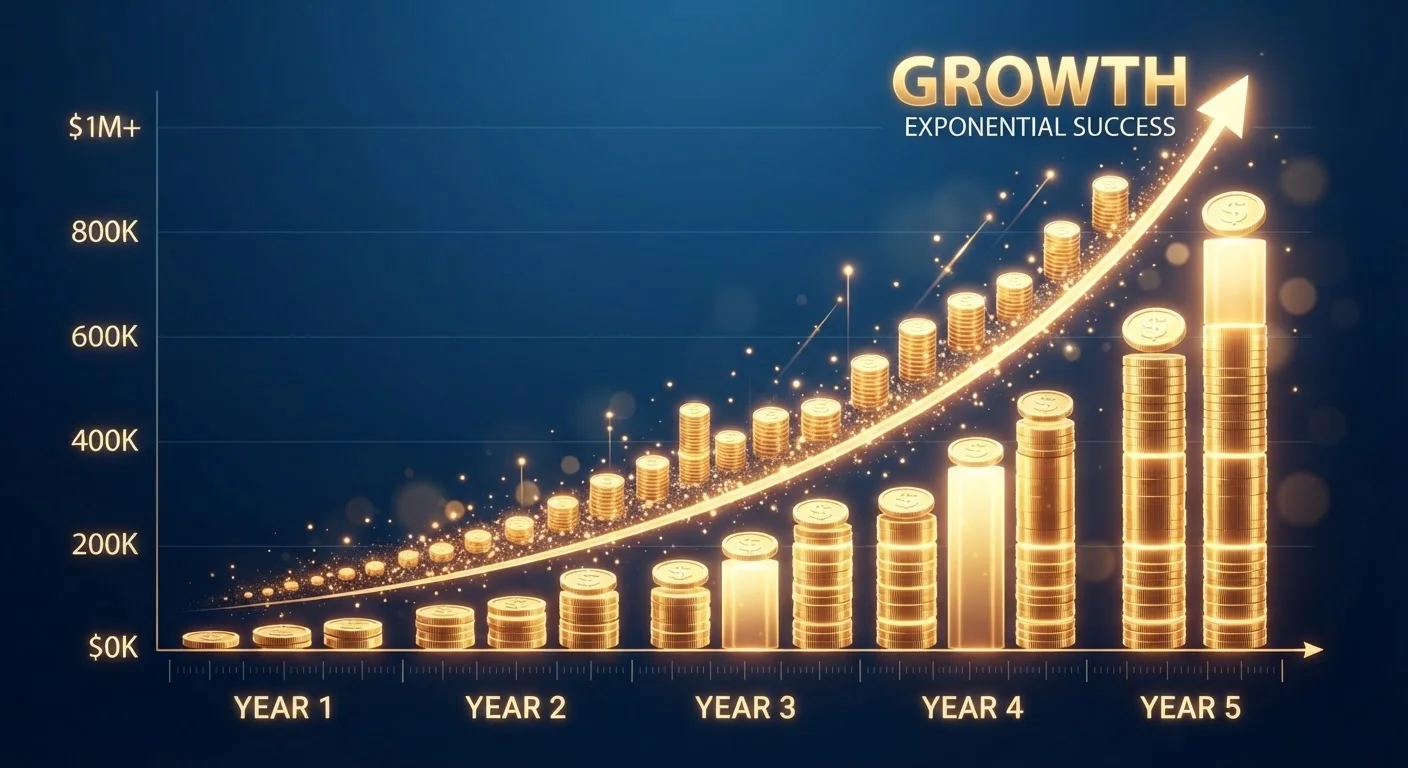
The practical implementation is straightforward: set up a recurring transfer to a dedicated savings account, or increase your contribution rate in your employer's retirement plan. Many payroll systems let you split your direct deposit between accounts, making it seamless. Understanding what compound interest does to savings over time illustrates why getting money set aside early — even small amounts — can matter significantly in the long run.
Where the Strategy Has Real Limits
Pay yourself first is a useful framework, but it isn't a solution for every financial situation. Its main weaknesses are worth understanding before you commit to it.
This Strategy Isn't One-Size-Fits-All
Pay yourself first is a widely recommended framework, but its suitability depends heavily on your financial baseline. If you have no emergency fund, significant high-interest debt, or irregular income, you may need to modify the approach or address other priorities first. Consider speaking with a licensed financial adviser before setting a savings amount.
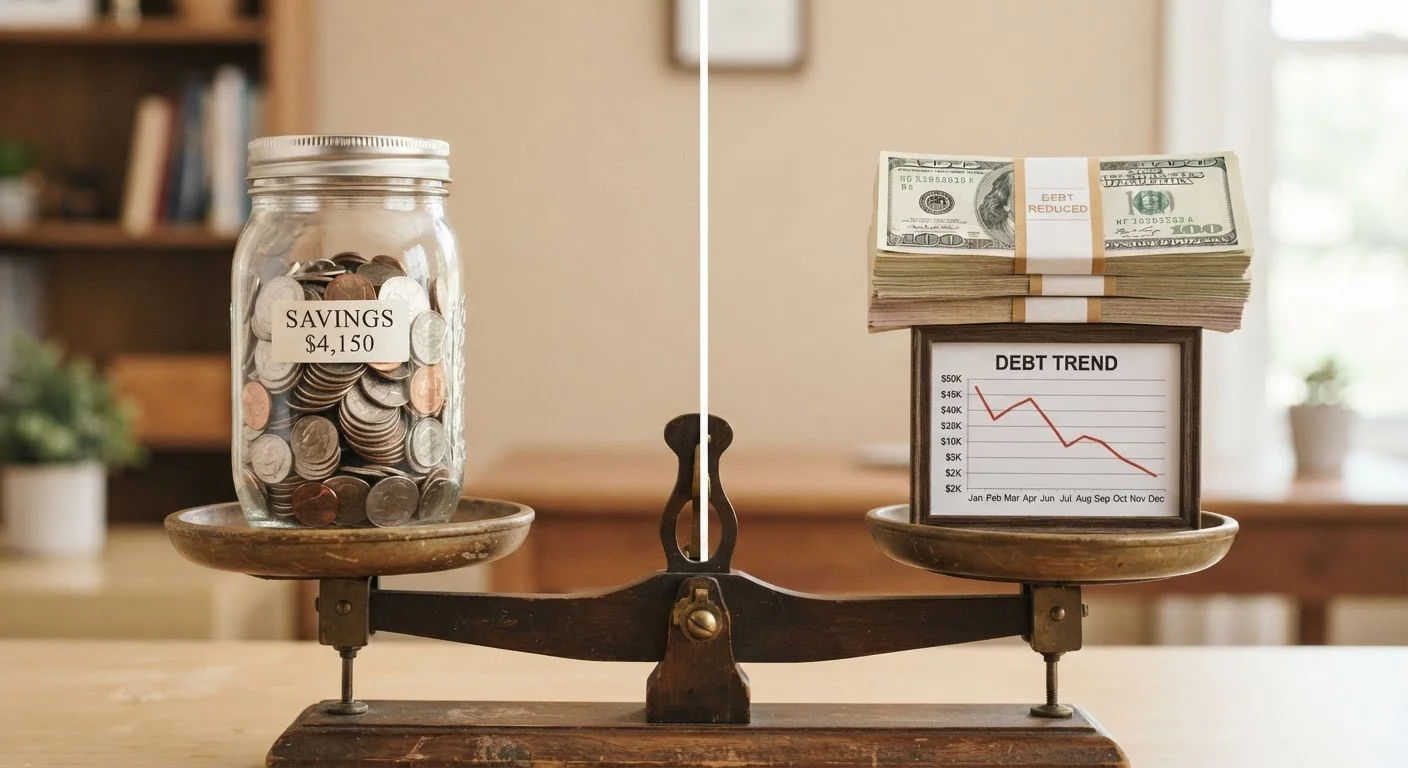
- High-interest debt: If you're carrying credit card balances at 20%+ interest, saving money at 4–5% simultaneously means you're losing ground mathematically. In most cases, high-interest debt warrants aggressive paydown before savings are prioritized beyond a basic emergency fund. The decision is nuanced — explore the trade-offs in our article on saving while in debt.
- Tight cash flow: If your income barely covers necessary expenses, setting aside money first can cause overdrafts or force you to take on new debt to cover basics. The strategy assumes a margin exists to work with.
- No spending plan for the remainder: Paying yourself first doesn't budget the rest of your income. Without a plan for what's left, overspending can still wipe out progress or lead to revolving credit card balances. It works best alongside a broader budgeting structure — see personal budgeting from the ground up if you're building your foundation.
Does It Actually Work? What the Evidence Suggests
The strategy is effective for a specific profile: someone with steady income, manageable expenses, and no high-interest debt emergency. For that person, automating savings reliably produces better outcomes than relying on end-of-month leftovers.
“The single most powerful step you can take to build wealth is to pay yourself first — before you pay your landlord, before you pay your credit card company, before you pay the grocery store.”
— David Bach, Personal finance author and advocate of the automatic millionaire framework
The key insight from decades of behavioral finance research is that the biggest obstacle to saving isn't the amount — it's the friction. Pay yourself first removes the friction at the most important moment: when the money first arrives.
For anyone curious about how this approach fits alongside other frameworks, the common budgeting myths article addresses many of the hesitations that prevent people from starting. And once savings are consistently in place, the Investing Essentials hub covers what to do with money once it's accumulated.
This article is for general informational and educational purposes only and does not constitute personalized financial, investment, tax, or legal advice. Consult a qualified financial professional for guidance tailored to your specific situation.