Why a Full Closet Can Still Leave You Stranded
Most people who feel stuck wearing the same few outfits don't have a shortage of clothes — they have a strategy problem. The average American owns far more clothing than they regularly wear, yet the morning scramble for something that fits, flatters, and feels right remains an almost universal experience. The culprit is rarely the wardrobe itself; it's the habits and blind spots that shaped it over time.
Understanding where things go wrong is the first step toward actually fixing them. Why your wardrobe feels wrong even when it's full explores the psychology behind this frustration in more depth, but the practical starting point is identifying the specific mistakes that keep the cycle going.
Shopping by mood rather than by need.
Why it happens: Retail therapy is real — stress, boredom, or a flash sale notification can trigger a purchase that feels satisfying in the moment but serves no clear wardrobe function.
Chasing trends instead of building a personal style foundation.
Why it happens: Social media makes trend cycles feel urgent and personal, so it's easy to confuse "this looks cool on someone else" with "this will work in my real life."
Overlooking the basics in favor of statement pieces.
Why it happens: Basics feel boring to shop for, so wardrobes accumulate eye-catching items that have nothing neutral to anchor them.
Keeping clothes that don't fit with the intention of someday wearing them.
Why it happens: Letting go feels wasteful, especially for items that cost real money. The "maybe one day" category expands quietly over years.
Buying duplicates of what already works instead of filling real gaps.
Why it happens: When something feels safe and comfortable, it's tempting to buy it in every color or a nearly identical version. This creates volume without versatility.
Ignoring fit and focusing only on style.
Why it happens: An item's aesthetic appeal in-store or online can overshadow how it actually sits on your body, especially when shopping quickly or online without trying things on.
How to Start Breaking the Pattern
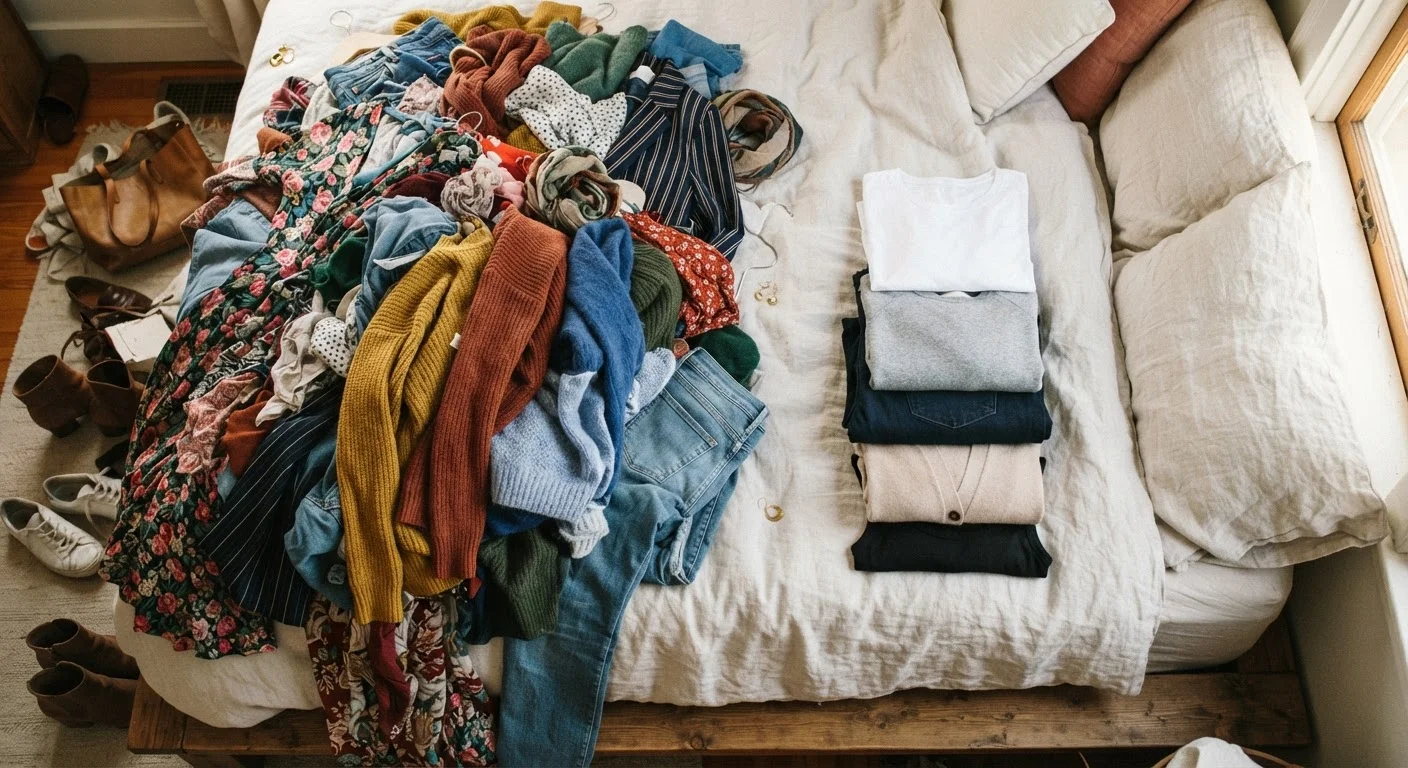
Correcting these habits doesn't require a full overhaul overnight. The most effective move is a deliberate audit — pulling everything out, assessing what actually gets worn, and identifying the genuine gaps rather than guessing at them. A wardrobe checklist can make that process concrete and far less overwhelming.
~20%
Of wardrobe items worn regularly
Research and closet studies consistently suggest most people regularly wear only about 20% of what they own, leaving the vast majority of clothing underused.
1 in 3
Purchases never worn after buying
Consumer behavior surveys in the US and UK have found that roughly one-third of clothing purchases are worn once or not at all before being discarded or donated.
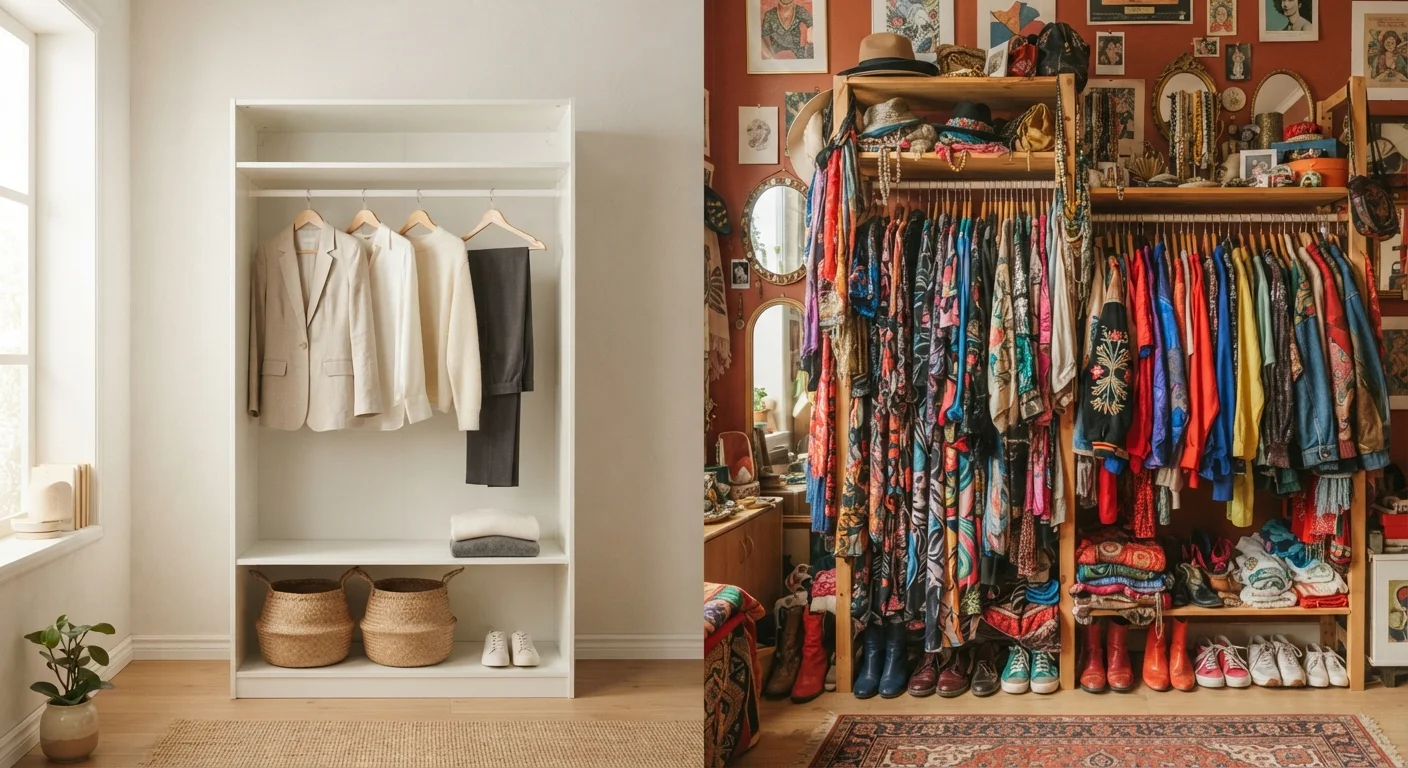
Once you have a clearer picture, resist the impulse to immediately shop the gaps. Sit with the list for a week and see which missing pieces you genuinely reach for. That pause alone tends to cut impulse purchases significantly. If you're curious whether a leaner approach might suit your lifestyle, the comparison between a capsule wardrobe and a maximalist closet is worth reading before making any major changes.
Don't Shop the Gaps Immediately
Identifying wardrobe gaps can trigger an instinct to fill them all at once — which often recreates the original problem at a higher cost. Give yourself at least a week between auditing and purchasing. You may find that some "gaps" don't actually affect your daily getting-dressed experience at all, making them low priority or unnecessary.
Dressing confidently is less about owning more and more about owning intentionally. Even small adjustments — retiring one unworn item for every new purchase, or dedicating 10 minutes to styling existing pieces in new combinations — can shift the dynamic considerably. For a structured reset, a step-by-step wardrobe audit walks through exactly how to do that. And if spending habits are part of the pattern, general guidance on budgeting basics can help establish guardrails that make shopping feel less reactive.