Why Your Style Is Supposed to Change
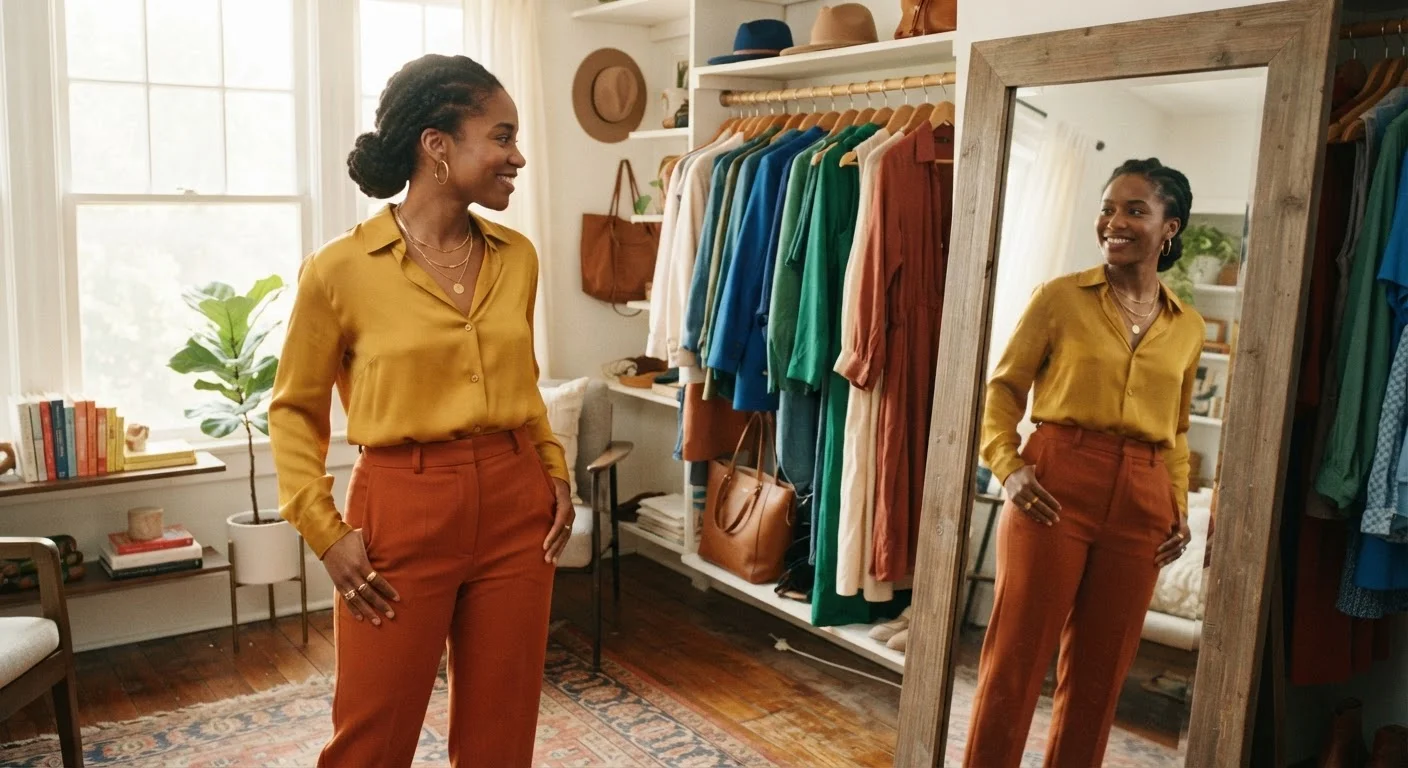
If your wardrobe looks exactly the same as it did ten years ago, that's worth examining — and not necessarily in a good way. Personal style isn't a fixed destination. It's a living reflection of who you are right now: your values, your body, your daily life, and how you want to show up in the world.
That said, change without intention can leave you feeling like you've lost your style footing entirely. The goal isn't to reinvent yourself every season; it's to understand why your aesthetic evolves so you can steer it rather than just react to it. As we explore in what personal style actually means, a signature look is rooted in self-awareness — and that self-awareness deepens over time.
Below are the key patterns that shape how personal aesthetics evolve across a lifetime, plus how to navigate each one with confidence.
Your 20s: Experimentation Is the Point
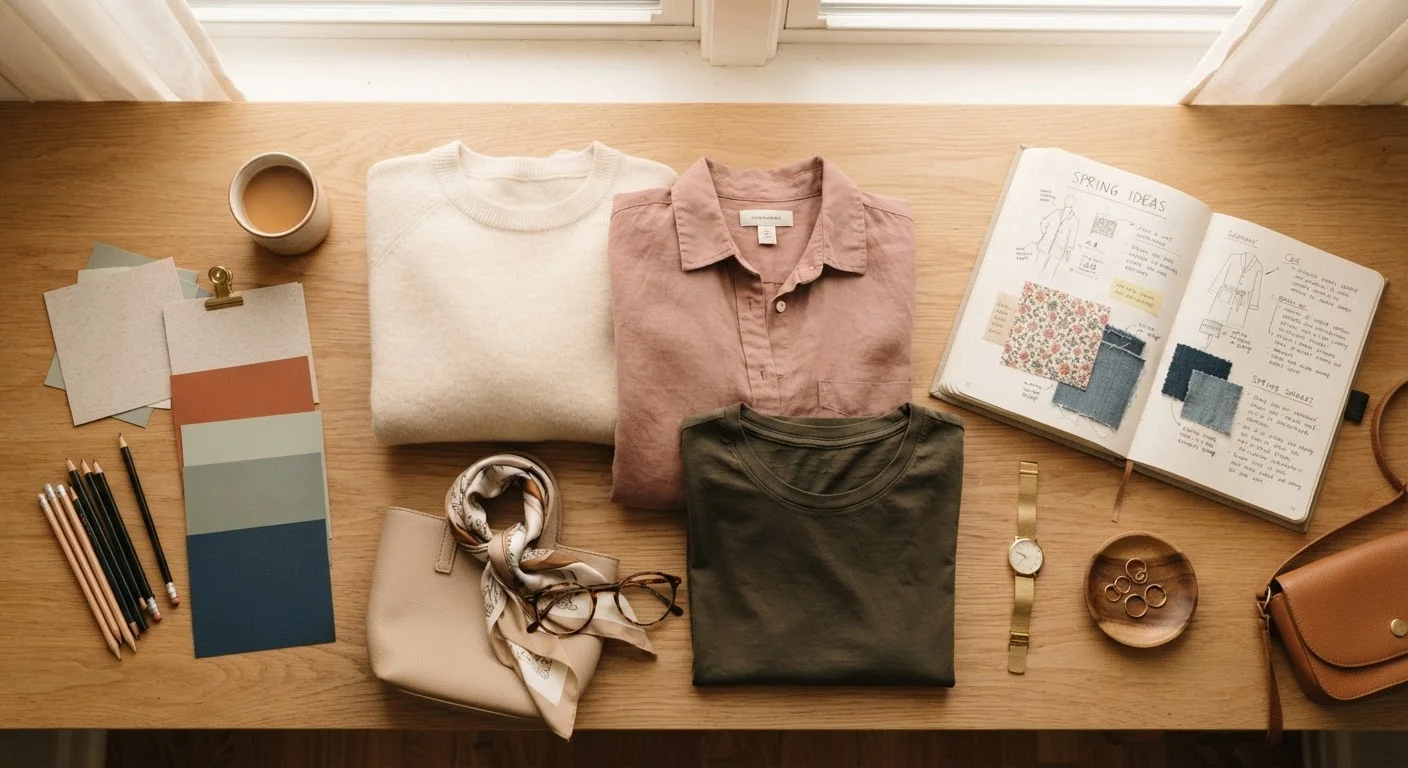
Your twenties are the years when personal style is genuinely up for grabs. You're testing identities, absorbing influences from peers, social media, workplaces, and subcultures — sometimes all at once. The result can look eclectic or even chaotic from the outside, but this period of style experimentation is genuinely valuable.
The goal in this decade isn't to arrive at a polished aesthetic; it's to accumulate data about yourself. What silhouettes make you feel at ease? Which colors draw compliments you actually believe? What do you reach for on days when you want to feel capable? These questions, answered through trial and error, lay the groundwork for every style decade that follows. Check out mixing patterns, textures, and eras for practical guidance on making bold combinations work.
Your twenties aren't about finding your style — they're about learning what your style is made of.
Major Life Transitions Rewrite the Brief
A new job, a move across the country, becoming a parent, ending a long relationship — these events don't just change your schedule. They change your context, and context is one of the most powerful forces shaping what you wear. When the audience, environment, or demands of your daily life shift significantly, your wardrobe often has to follow.
This is where many people feel their style "fall apart" — but it's more accurate to say it's being renegotiated. Resist the urge to stockpile replacements hastily. Instead, identify the functional requirements of your new life stage first, then layer aesthetic preferences on top. Practicality and personal expression aren't opposites; the most satisfying wardrobes integrate both.
Life transitions don't destroy your style — they create an opportunity to rebuild it with more clarity.
Your Body Changes, and Your Wardrobe Should Too
Bodies shift across decades — through hormonal changes, pregnancy, health events, shifts in activity level, and simply the natural arc of aging. A wardrobe that doesn't acknowledge these changes will quietly undermine your confidence every morning.
The key reframe here: updating your wardrobe for your current body is not giving up or giving in. It is the opposite of surrender — it's self-respect in action. Fit is arguably the single greatest determining factor of how polished and intentional an outfit reads, regardless of price point or trend relevance. Clothes that fit well always look considered. Clothes that once fit and no longer do rarely do.
Dressing for the body you have right now — not the one you had — is an act of confidence, not compromise.
Values Clarification Changes What You're Willing to Wear
As people move through their thirties, forties, and beyond, a common experience is a growing clarity about personal values — and a decreasing tolerance for clothing that conflicts with them. This might mean prioritizing comfort over constriction, choosing more sustainable or ethically made pieces, or simply deciding that dressing to impress others matters less than dressing to feel like yourself.
This values-driven shift often simplifies wardrobes in productive ways. The full arc from style discovery to a closet that works depends heavily on this kind of values alignment. When your clothes reflect your actual priorities rather than external expectations, getting dressed becomes noticeably easier.
When your wardrobe reflects your values, the daily act of getting dressed stops feeling like a performance.
Aesthetic Anchors Keep You Recognizable Through Change
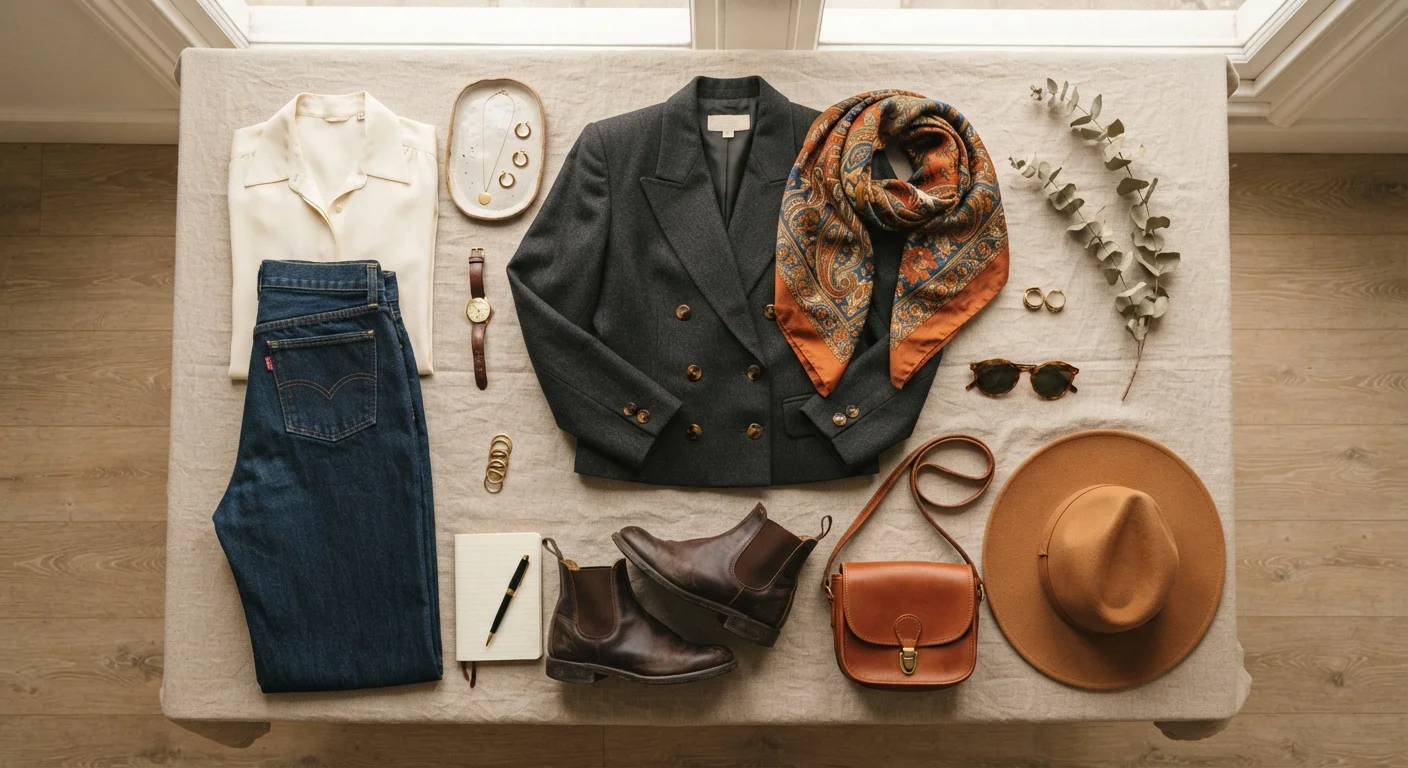
Across all of this evolution, most people find they have a handful of consistent aesthetic preferences — a love of clean lines, a pull toward warm earth tones, an affinity for structured outerwear — that persist even as everything else shifts. These are your aesthetic anchors, and they're worth identifying explicitly.
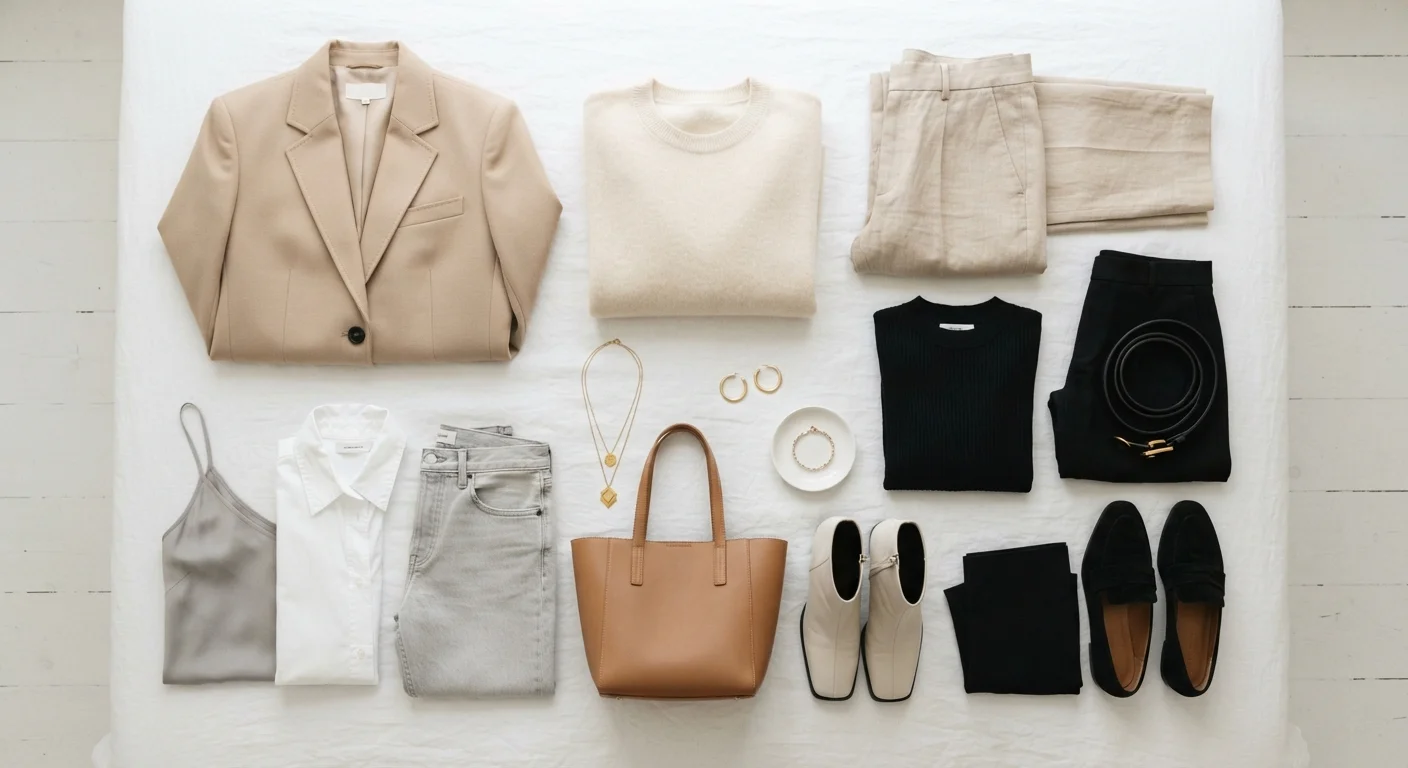
Knowing your anchors means you can absorb new influences, adapt to new life stages, and experiment freely without losing your signature identity. They're the thread that makes your style recognizably yours across decades, even as the specific pieces change dramatically. The core principles of fashion basics — versatility, proportion, cohesion — apply here as reliable tools for keeping anchors visible across a changing wardrobe.
Aesthetic anchors are the consistent preferences that make your style recognizably yours across every decade.
Permission to Let Go of Old Style Rules
Part of what makes style evolution feel liberating rather than unsettling is consciously releasing rules that no longer serve you. Some of those rules were never yours to begin with — absorbed from magazines, family expectations, or cultural norms that have since shifted or simply don't apply to your life.
Common examples: the idea that certain colors, hemlines, or silhouettes are "age-appropriate" in a limiting sense; that casual and elegant can't coexist; that you need to wait until some undefined future moment before dressing the way you actually want to. Releasing these constraints doesn't mean abandoning all structure — it means replacing inherited rules with your own informed preferences.
The most freeing style shift of all is replacing inherited rules with your own well-considered ones.
Owning the Evolution at Any Age
The through-line across all these shifts is intentionality. Style evolution isn't about chasing newness or abandoning what worked before — it's about staying curious and honest about who you are today. The building blocks of a signature look — silhouette, color, proportion, texture — remain your most reliable tools no matter what decade you're in.
Do a Decade-in-Review Style Audit
Every few years, pull out photos from across that period and look for patterns — what you gravitated toward, what you avoided, and what made you feel most like yourself. This exercise isn't about nostalgia; it's about identifying your aesthetic anchors so you can carry them forward intentionally. You may be surprised how much clarity a simple visual review provides.
If you're feeling unmoored by a style transition, a structured self-discovery approach can help you reconnect with what genuinely appeals to you. And remember: the non-appearance factors that shape how you dress — habit, psychology, environment — are just as influential as the clothes themselves. Embrace each chapter of your style story as evidence of growth, not inconsistency.