What Makes a Style 'Signature'?
A signature look isn't about wearing the same outfit on repeat — it's about a recognizable visual language that feels unmistakably you. Think of it as the consistent thread running through your wardrobe choices: the colors you return to, the silhouettes that feel natural, the textures you gravitate toward. When those elements align, getting dressed becomes instinctive rather than stressful.
Developing that language doesn't require a stylist or an overhaul. It requires understanding four foundational elements: color, silhouette, texture, and proportion. Together, they form the grammar of personal style. Mastering them is the fastest route to a closet that actually works. For a broader roadmap, see the full personal style guide.
| Core Building Blocks | Color, Silhouette, Texture, Proportion |
| Most Noticed Element | Color (perceived first by the human eye) (Color psychology research, general consensus) |
| Depth Technique | Texture contrast (e.g., knit + leather) |
| Proportion Rule of Thumb | Balance volume — one relaxed piece, one fitted |
| Style Audit Tip | Group existing clothes by color, then silhouette |
| Signature Style Outcome | Instinctive dressing, less decision fatigue |
The Four Core Elements Defined
Understanding each building block on its own makes it much easier to combine them intentionally.
Color Palette
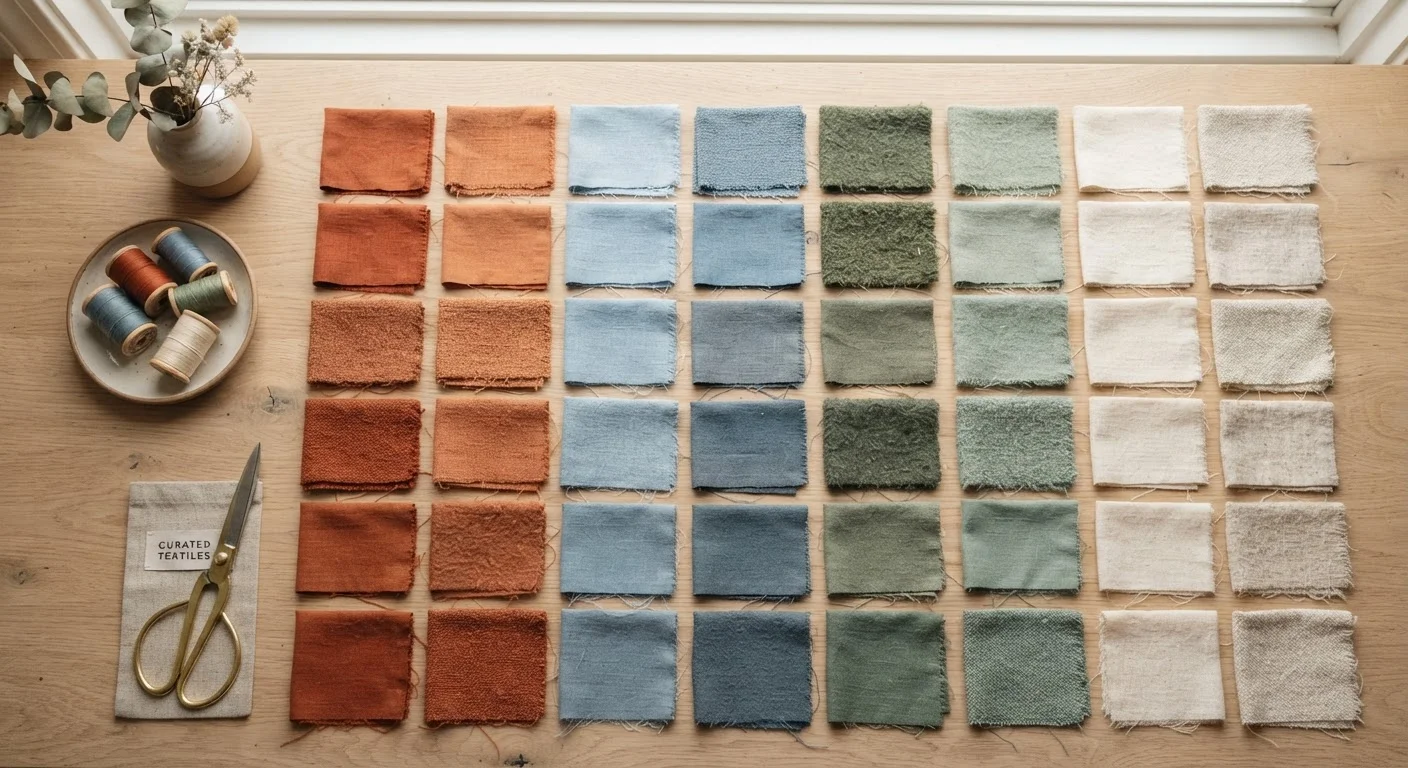
A curated set of colors that recur throughout your wardrobe and feel cohesive together. A personal palette typically includes 2–4 neutral anchors plus 1–2 accent tones.
Silhouette
The overall shape or outline that clothing creates. Common silhouettes include relaxed/oversized, tailored/structured, A-line, and column fits.
Texture
The surface quality of a fabric — how it looks and feels. Examples include smooth (silk, satin), nubby (boucle, tweed), soft (cashmere, jersey), and crisp (cotton poplin, denim).
Proportion
The visual relationship between fitted and loose, or long and short, elements within a single outfit. Balanced proportions create a polished, intentional appearance.
Visual Cohesion
The quality of an outfit or wardrobe looking intentionally unified. Achieved when color, silhouette, texture, and proportion choices consistently reinforce each other.
Capsule Wardrobe
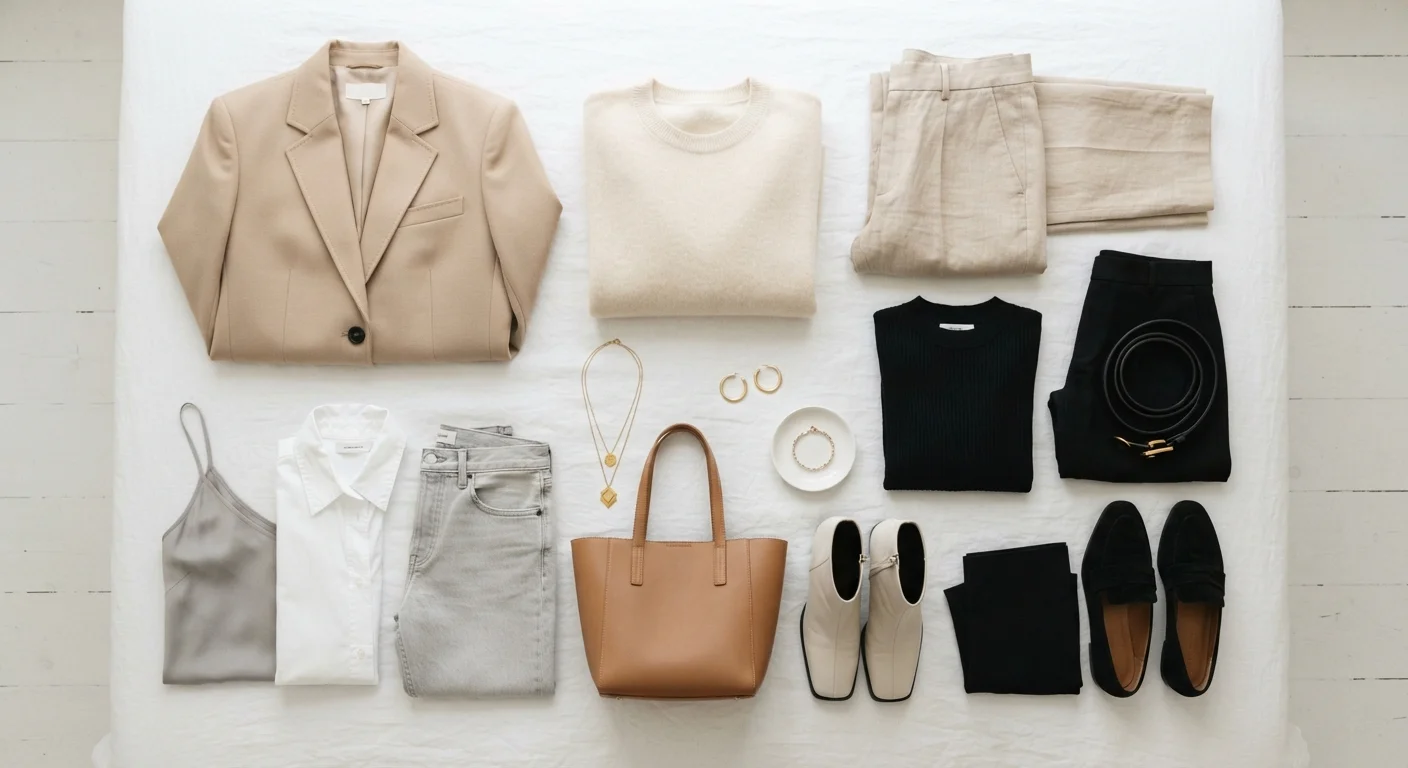
A compact collection of versatile, interchangeable pieces that reflect a consistent aesthetic. A well-built capsule is the practical expression of a signature look.
Color is often the first thing people notice, and it carries more communicative weight than most of us realize. Your personal palette — whether you lean toward warm earth tones, cool neutrals, or saturated brights — sets an immediate tone. Explore how color choices send a message to understand how to build one that feels authentically yours.
Silhouette is about shape: the outline your clothes create against your body. A consistently chosen silhouette — relaxed and oversized, tailored and structured, or softly draped — creates visual coherence even across different colors and fabrics. Proportion, closely related, refers to the relationship between fitted and loose, long and short, in a single outfit. Balancing a voluminous top with slim pants, for example, is a proportional decision that keeps a look intentional rather than accidental.
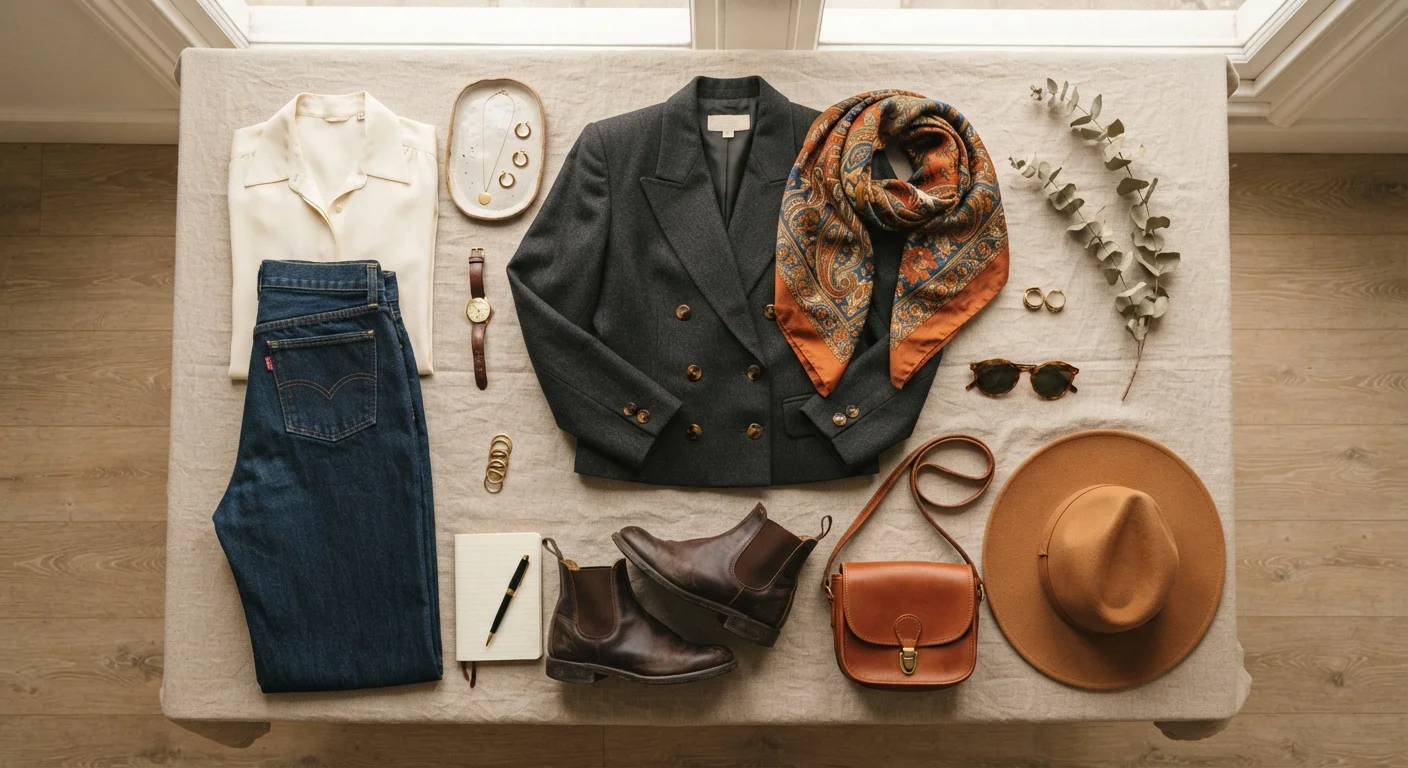
Texture adds depth and personality. Pairing a chunky knit with sleek leather or linen with denim gives an outfit dimension that flat, same-fabric combinations simply don't. Repeating certain textures across your wardrobe — velvet, linen, denim, silk — becomes part of your signature.
Putting the Blocks Together
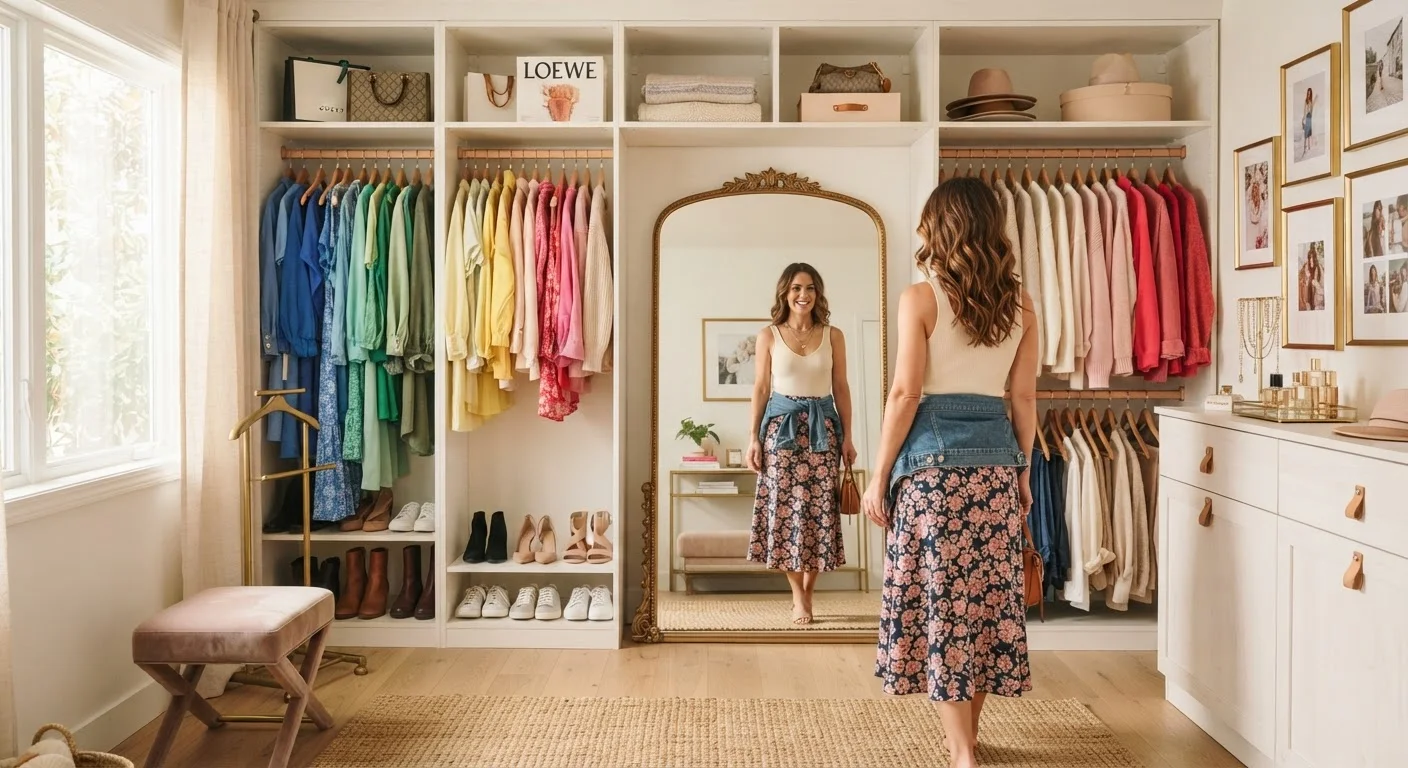
Knowing the elements is the easy part; combining them consistently is where your signature emerges. A practical starting point: audit what you already own. Group items by color family, then by silhouette. Patterns will surface quickly — and so will gaps or contradictions that explain why certain pieces never seem to work.
Try applying a simple rule of three: for each outfit, make deliberate choices in at least three of the four building blocks. If you're wearing a neutral color palette and a relaxed silhouette, play with contrasting textures to keep things interesting. If your proportions are dramatic, keep color calm so the outfit doesn't compete with itself.
Style naturally shifts over time, too — what resonates in one chapter of life may evolve in another. See how personal aesthetics evolve across decades for perspective on embracing that change without losing your thread. The fashion basics hub is also a great place to explore foundational wardrobe principles that support any signature style.
Your Signature Look Is Allowed to Evolve
Developing a signature style doesn't mean locking yourself into a rigid formula forever. Most people's aesthetics shift gradually as their lives, tastes, and circumstances change — and that's entirely healthy. Think of your building blocks as a flexible foundation, not a fixed uniform. Revisiting your palette, silhouette preferences, or texture choices every year or two keeps your style feeling current and genuinely yours.