Why Natural Light Advice So Often Goes Wrong
Homeowners spend real money on paint, mirrors, and window treatments chasing brighter rooms - and many end up disappointed. The advice circulating in design blogs, real estate listings, and renovation shows often oversimplifies how light actually behaves indoors. Understanding a few key principles of how natural light enters, reflects, and diminishes in a room will save you time, money, and frustration.
Light indoors is shaped by four factors working together: the angle and intensity of the light source outside, the size and orientation of openings (windows and skylights), the reflectivity of interior surfaces, and the presence of obstructions - both inside and outside the home. Change one factor without considering the others and you may get little improvement at all. The myths below address the most common single-factor fixes people try and why they underdeliver.
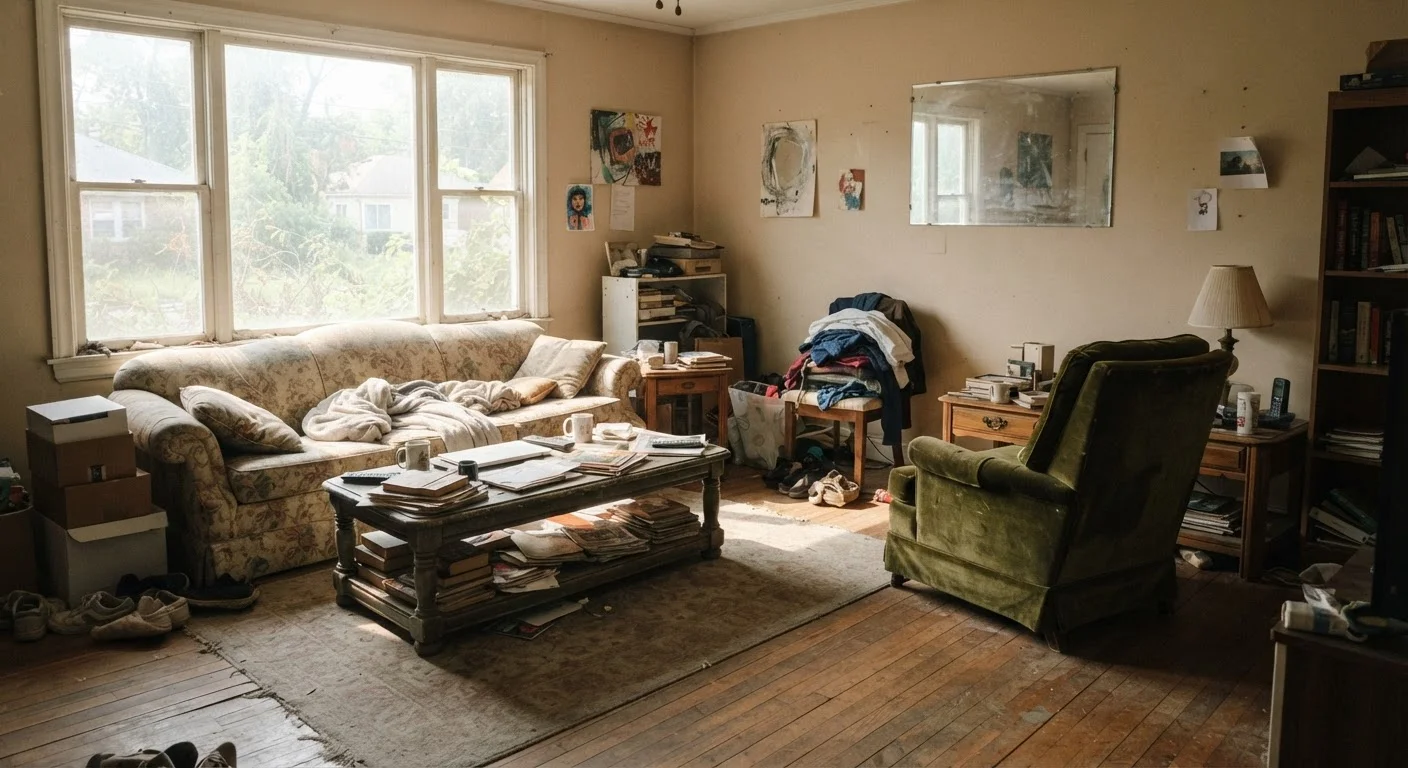
If you've ever felt that a room just doesn't work despite your efforts to brighten it, the signs your room isn't working for you often include lighting as a root cause worth examining systematically.
Myth
Painting walls white will always make a room brighter and more open.
Fact
White paint reflects light only if sufficient light enters the room in the first place - and undertone and sheen matter as much as hue.
White reflects a high percentage of light that hits it, but if a room receives little direct or indirect daylight, white walls are simply reflecting dim light dimly. The result is often a cold, flat appearance rather than brightness. Additionally, white paint comes in hundreds of undertones - blue, green, pink, yellow - and in a low-light room, those undertones become more visible and can make the space feel unwelcoming. Finish also matters: matte white absorbs more light than eggshell or satin. A warm off-white in a higher sheen on the ceiling will typically outperform a crisp matte white on all four walls.
Myth
Mirrors double the light in a room by reflecting it back.
Fact
Mirrors reflect what is already in front of them - if they face a dark wall, they reflect darkness, not light.
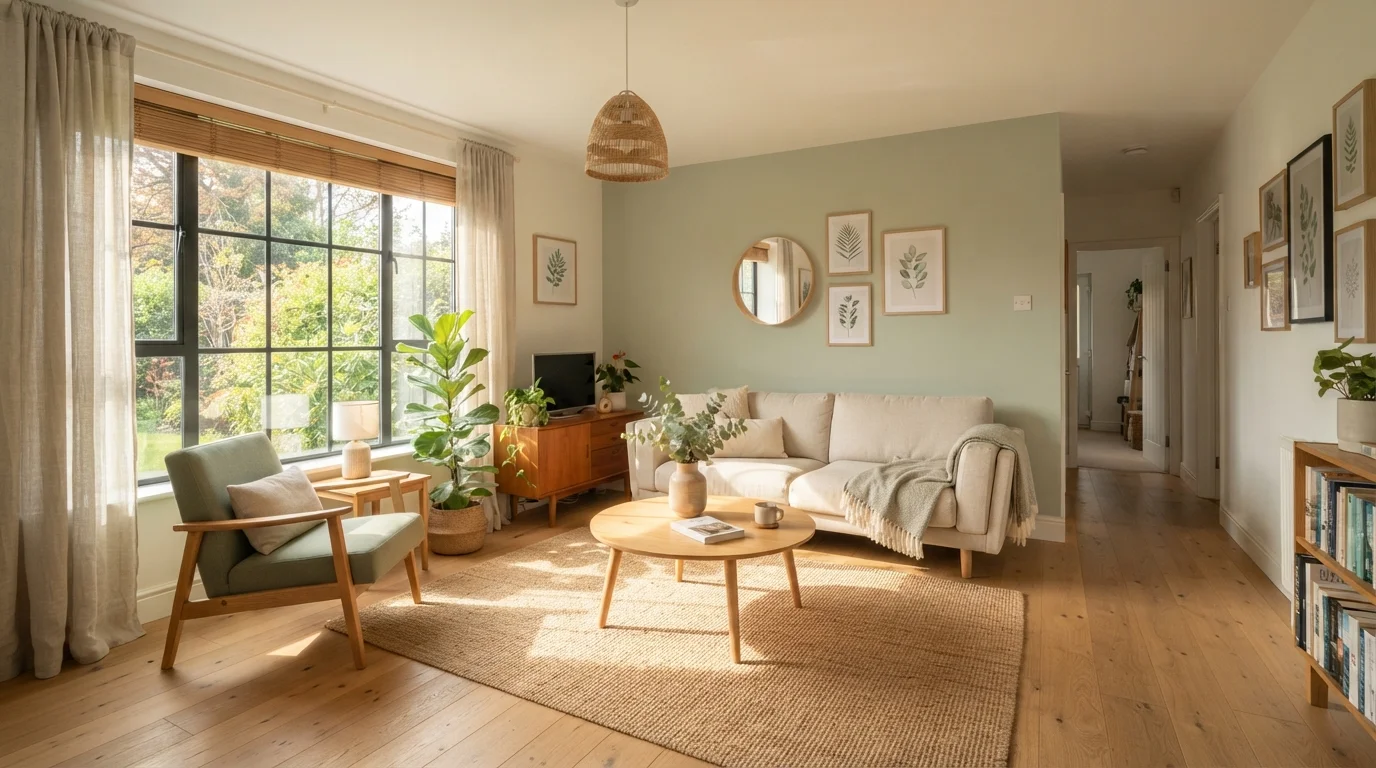
A mirror only brightens a space when it directly faces or is angled toward a window or bright light source. Placed on the wall opposite a window, a large mirror can create a meaningful sense of depth and reflect incoming daylight. Placed on an adjacent or interior wall, it reflects the room back at you - furniture, shadows, and all. The effect is more about perceived depth than actual lumen output. Mirrors are a useful tool, but their placement requires deliberate thought, not just large size.
Myth
Removing window coverings entirely is the simplest way to maximize natural light.
Fact
Bare windows can actually reduce usable light through glare, heat gain, and privacy-driven behavior changes.
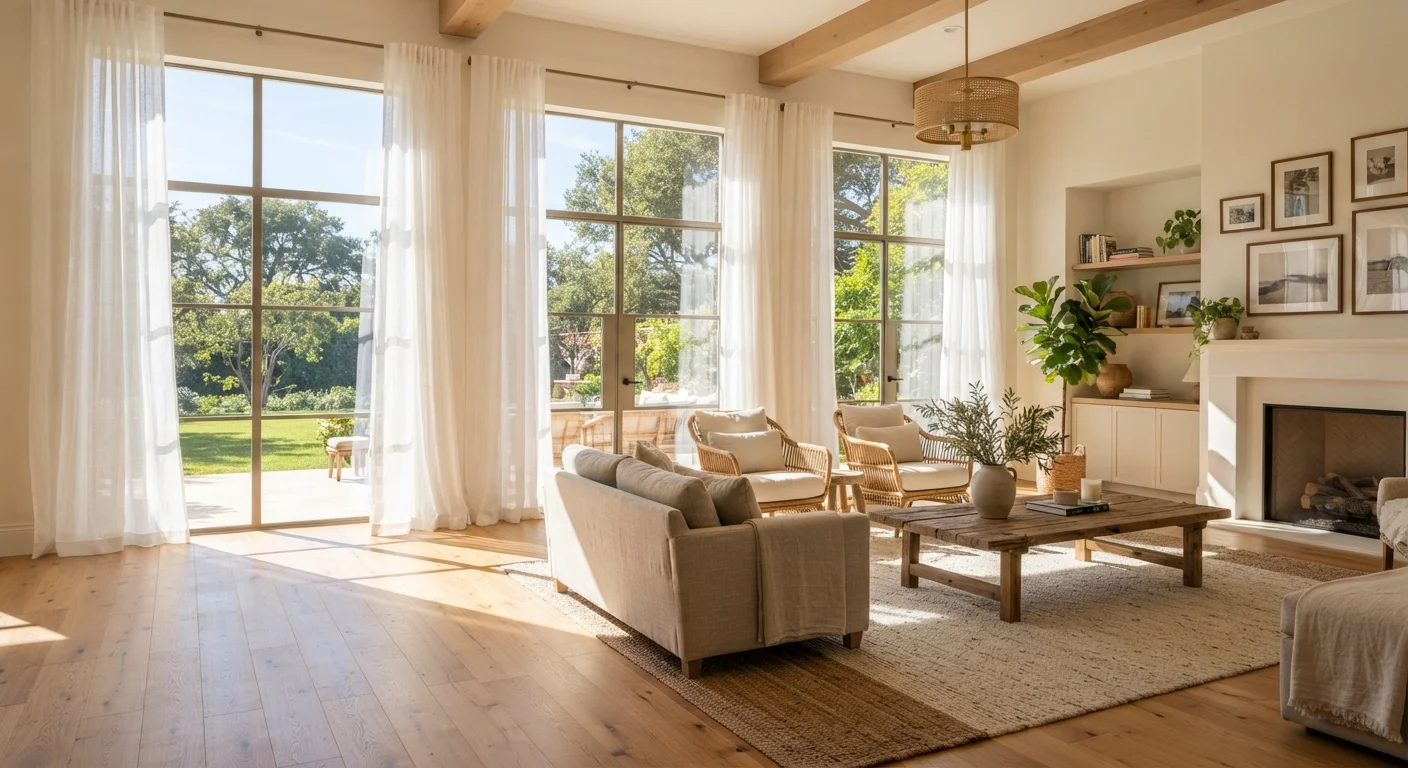
Stripping windows of all coverings in south- or west-facing rooms often introduces intense direct sunlight that creates glare, causes eye strain, and raises interior temperatures - prompting occupants to close blinds anyway, defeating the purpose. Sheer, light-diffusing curtains in white or pale linen scatter incoming sunlight across a wider area of the room, reducing harsh hotspots while maintaining overall brightness. In many cases, a sheer layer produces a more evenly lit room than bare glass, particularly during peak afternoon hours.
Myth
A north-facing room just needs the right color or decor to feel as bright as a south-facing one.
Fact
Room orientation determines the quality and quantity of light received; no interior finish fully compensates for structural light limitations.
In the Northern Hemisphere, north-facing rooms receive little to no direct sunlight throughout the year. The light they do receive is indirect, cooler in color temperature, and lower in intensity. While high-reflectance surfaces, pale colors, and strategic mirrors can make the most of what's available, they cannot replicate the warmth and intensity of a south-facing room. Accepting this limitation and designing intentionally for it - using layered warm-toned artificial lighting, cozy textures, and shade-tolerant plants - often produces more satisfying results than chasing a brightness level the room cannot structurally achieve.
Myth
Bigger windows always mean more natural light inside the room.
Fact
Window placement and external obstructions determine how much usable light actually enters - size is secondary.
A large window facing a neighboring building two feet away, a dense hedge, or a deep covered porch overhang may deliver less usable interior light than a smaller window with an unobstructed southern or eastern exposure. The height of a window also matters: high-set windows allow light to travel deeper into a room, while low windows illuminate only the area near the floor. Before assuming a window upgrade will solve a dark room, assess what the window faces and whether any obstruction - interior or exterior - is the true limiting factor.
What Actually Brightens a Room
Once you've let go of the myths, a more accurate picture emerges: natural light is maximized through a combination of strategic window placement, high-reflectivity finishes on the right surfaces, minimal external obstruction, and smart supplemental lighting - not any single silver-bullet solution.
~80%
Light reflectance of high-quality white paint
Light Reflectance Value (LRV) scales run from 0 to 100; the brightest white paints reach around 80-85, meaning even they absorb some light - less so on ceilings than walls.
30-50%
More daylight depth from high-set vs. low-set windows
Research in daylighting design indicates that raising window head height significantly extends how far natural light penetrates into a room's interior.
Ceiling and upper-wall surfaces carry disproportionate lighting weight. Light entering a window hits the ceiling first if it enters at a low angle; a ceiling painted in a high-reflectance white or very pale warm tone will scatter that light further into the room than any mirror placed on a side wall. Semi-gloss or eggshell finishes on ceilings outperform matte finishes for this reason.
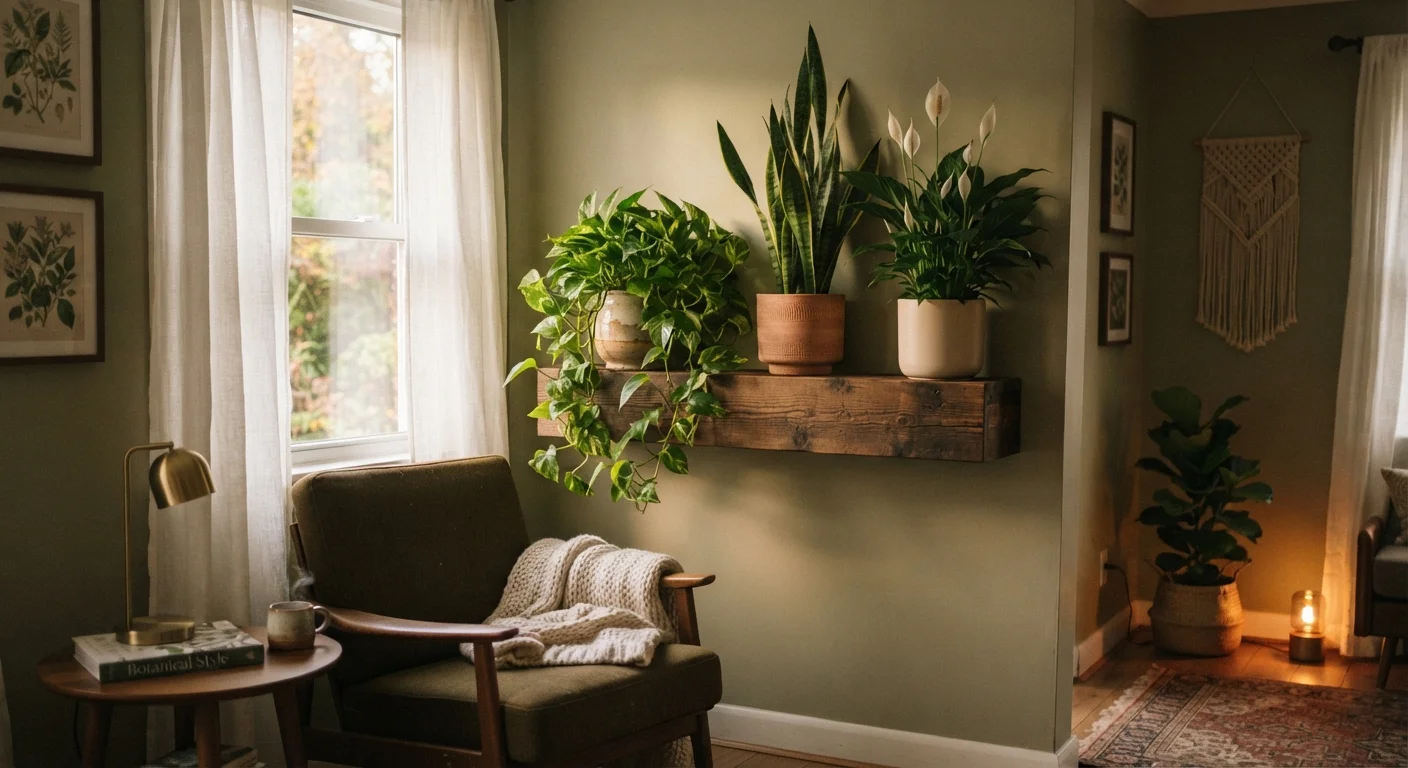
For rooms that simply cannot receive more natural light due to orientation or structure, layered artificial lighting - ambient, task, and accent - replicates the multi-directional quality of daylight far better than a single overhead fixture. This pairs well with plants suited to low-light interiors, which can make a dimmer room feel alive and intentional rather than dark and neglected.
Wall color choices also interact with light in nuanced ways. Saturation, undertone, and sheen all affect how a room reads. For a deeper look at how color shapes spatial perception, see our piece on how wall colors affect mood and perception. And if your room still feels heavy despite better light, consider that clutter and layout issues can visually cancel out even well-designed lighting.
Don't Rely on Paint to Fix a Structural Light Problem
Repainting is low-cost and low-risk, but it cannot overcome a room's fundamental orientation or obstruction issues. If a room is chronically dark, assess external obstructions (overhangs, trees, neighboring structures) and window placement before investing in interior finishes. Addressing the source of limited light will always outperform decorative workarounds.