Why Pet Hydration Is Harder to Get Right Than It Looks
Water is the most essential nutrient any animal requires, yet it's also the one that gets the least deliberate attention from pet owners. Unlike feeding schedules or exercise routines, hydration tends to be treated as a passive concern — fill the bowl, and the pet takes care of the rest. That assumption is where many well-meaning owners go wrong.
Hydration needs vary significantly by species, size, diet, and health status. Cats, for example, have a low innate thirst drive because they evolved to extract moisture from prey rather than seek out standing water. Dogs are more inclined to drink, but they can still fall short — especially in hot weather, after exercise, or when eating dry food exclusively. Understanding these differences is the starting point for better care.
For a broader look at how everyday assumptions about pets can lead owners astray, see our article on common pet behavior myths.
~70%
Moisture content of a cat's natural prey diet
Veterinary nutritionists note that cats evolved to obtain most of their water from food, making dry-only diets a hydration challenge for the species.
1 oz/lb
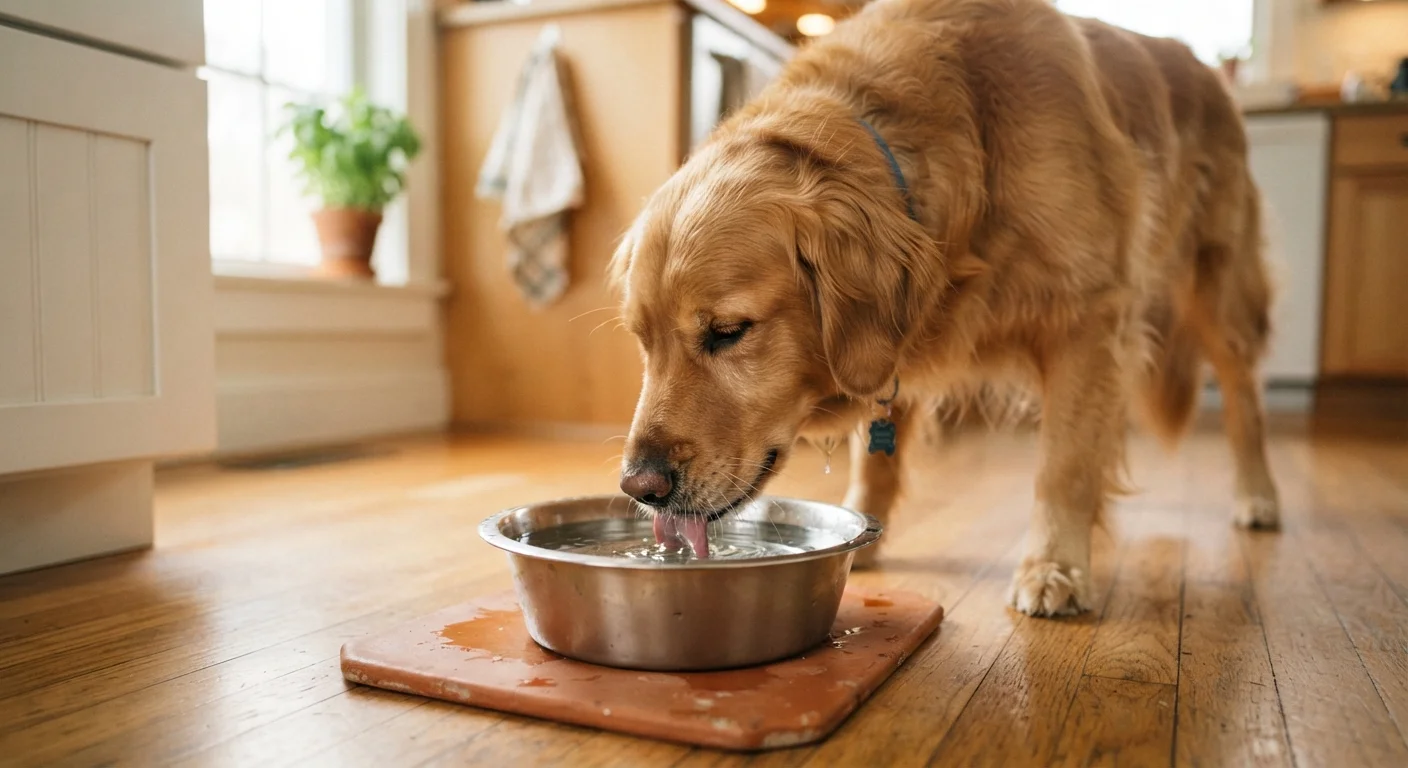
General daily water guideline for dogs
The American Kennel Club cites approximately one ounce of water per pound of body weight as a general daily baseline for dogs, with variation by activity, diet, and health status.
The Most Common Hydration Mistakes — and How to Fix Them
The errors below are widespread across both new and experienced pet owners. None are rooted in negligence — most stem from reasonable-seeming assumptions that happen to conflict with animal biology. Correcting them can make a meaningful difference in your pet's daily health.
Assuming a full water bowl means a pet is drinking enough.
Why it happens: Owners fill the bowl and assume the pet will self-regulate, but many pets — particularly cats — drink far less than they need without obvious signs.
Serving water in a bowl that isn't cleaned regularly.
Why it happens: Water looks clear, so owners may not notice the biofilm and bacteria that build up on bowl surfaces within 24–48 hours.
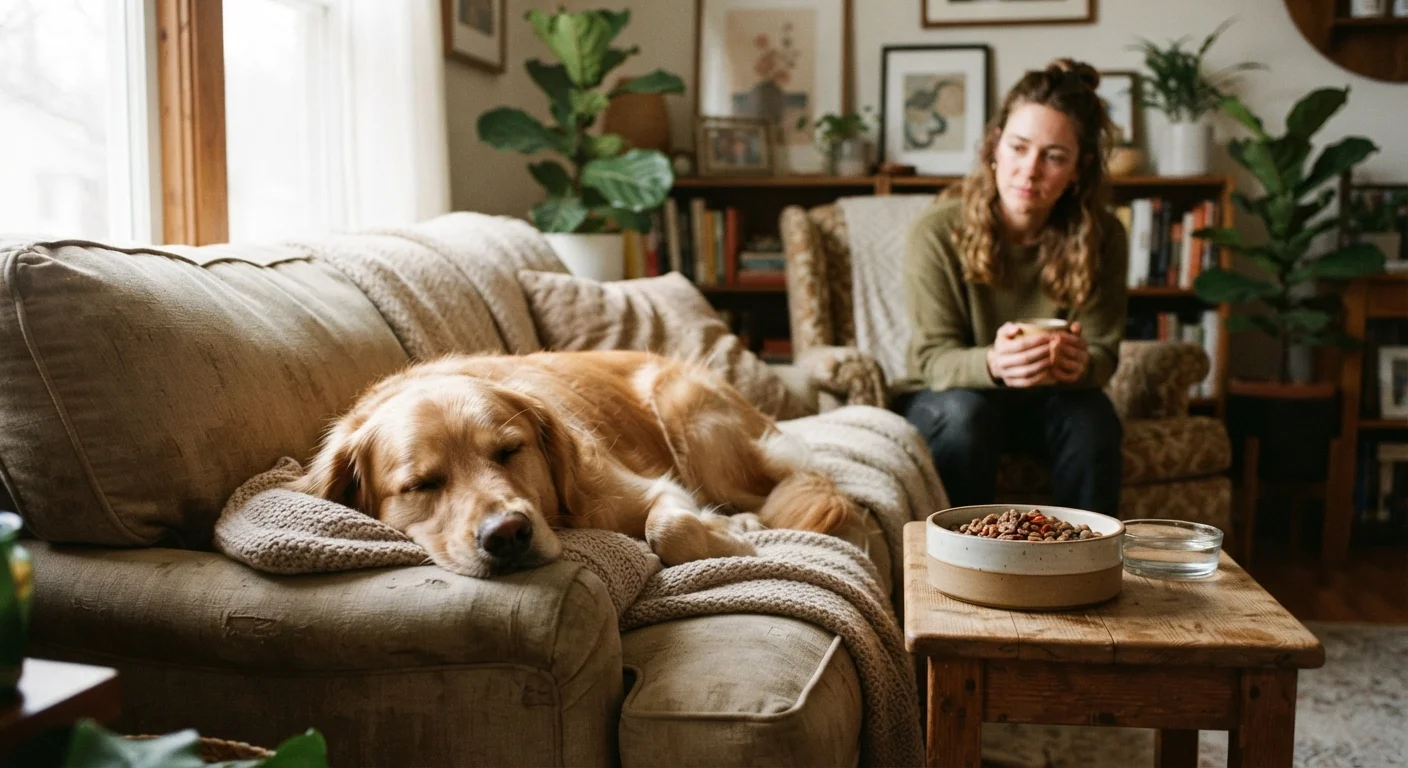
Placing water bowls directly next to food bowls.
Why it happens: It feels logical and convenient to keep food and water together, but cats in particular are instinctively averse to water sources near their food — an evolutionary trait linked to avoiding contamination.
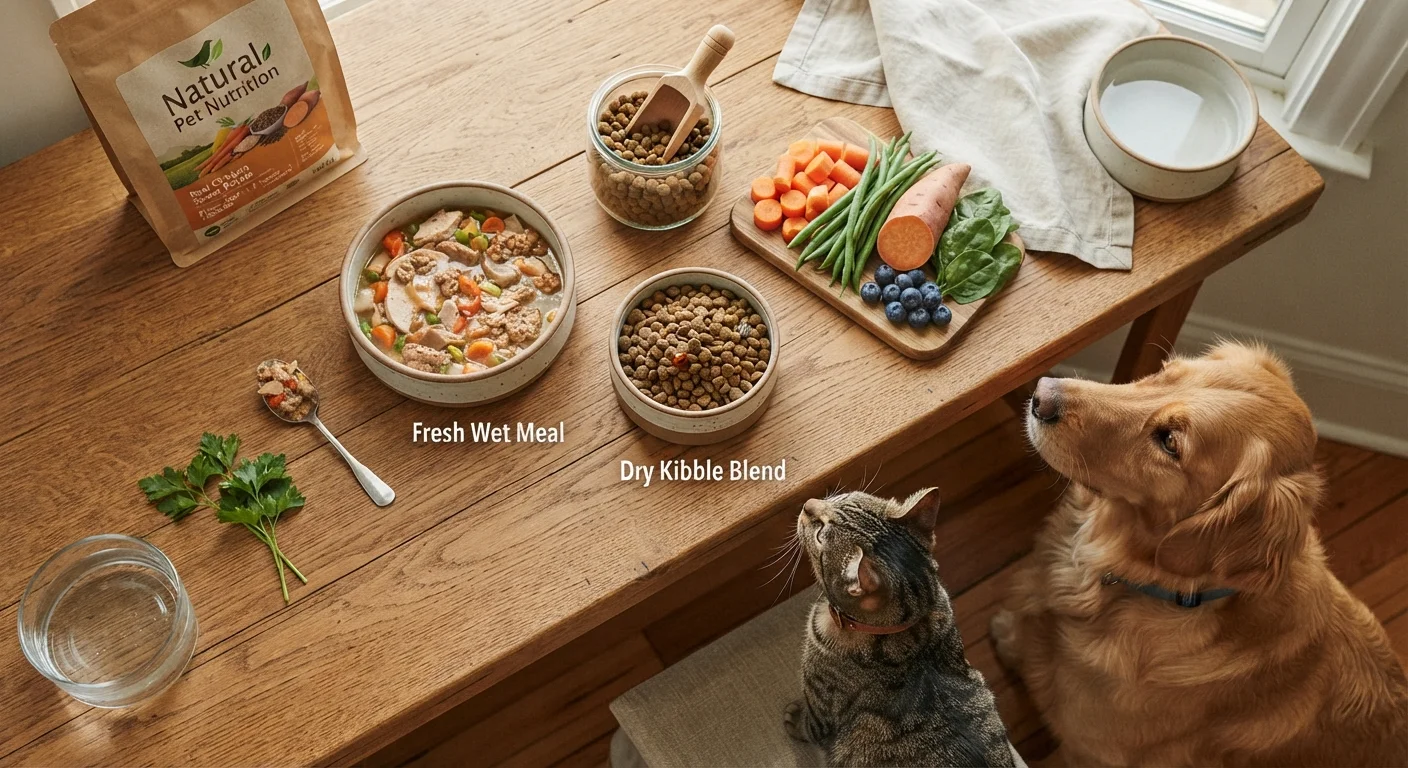
Feeding an exclusively dry-food diet without compensating with additional moisture.
Why it happens: Dry kibble is convenient and shelf-stable, so many owners rely on it exclusively without realizing it contains only about 10% moisture compared to wet food's 70–80%.
Not recognizing early signs of dehydration.
Why it happens: Mild dehydration in pets doesn't always produce dramatic symptoms, and owners may attribute lethargy or reduced appetite to other causes.
Don't Rely on Thirst Alone as a Signal
Pets — especially cats — may not display obvious signs of thirst even when mildly dehydrated. By the time an animal actively seeks water in an unusual way, dehydration may already be affecting organ function. Proactive monitoring of intake habits is far more reliable than waiting for visible signals.
Hydration doesn't exist in isolation from other aspects of health. Poor drinking habits can contribute to urinary and kidney problems, and are often connected to diet quality more broadly. Our guide on pet nutrition myths covers related misconceptions about what pets need to thrive.
Building Better Hydration Habits for Your Pet
Small, consistent changes tend to be far more effective than periodic interventions. Start by auditing your current setup: How often is the bowl cleaned? Where is it located relative to food? What percentage of your pet's diet comes from wet versus dry food?
Water fountains — which provide continuously circulating water — are often recommended by veterinary professionals for cats, as moving water appeals to their instincts and may encourage greater intake. For dogs, especially those that are active or live in warm climates, always offering water before and after exercise is a reliable baseline habit.
When to Seek Veterinary Help Immediately
Sudden increases or decreases in water intake can signal serious underlying conditions, including kidney disease, diabetes, or urinary tract infections. If your pet is refusing water entirely, vomiting, or appears lethargic alongside reduced drinking, contact your veterinarian promptly. This article provides general educational information only and is not a substitute for professional veterinary advice.
If you've already noticed subtle signs that your pet's habits aren't quite right, don't limit your review to hydration alone. Our article on everyday habits that undermine pet health identifies other common patterns that vets frequently flag. And because overall health is interconnected, weight management and dental health — see dental care basics — are worth reviewing alongside hydration practices.
This article is for general informational and educational purposes only and does not constitute veterinary advice. Always consult a licensed veterinarian for guidance specific to your pet's health, diet, and medical history.