The Science Behind the Reward
Positive reinforcement is grounded in decades of behavioral science. When an animal performs a behavior and something rewarding immediately follows, the brain releases dopamine — a neurochemical associated with pleasure and motivation. This creates a strong neural connection: doing this thing feels good, so I'll do it again.
This mechanism isn't limited to dogs. Research across species — from dolphins to pigeons to domestic cats — shows that animals are highly motivated by reward-based feedback. The ASPCA and the American Veterinary Society of Animal Behavior both endorse reward-based training as the foundation of effective, humane pet behavior guidance.
Contrast this with aversive or punishment-based methods, which rely on adding something unpleasant to suppress a behavior. While suppression can occur short-term, studies suggest punishment can elevate stress hormones, damage the human-animal bond, and sometimes produce avoidance or aggression rather than learning.
73%
Dogs showing fewer problem behaviors with reward-based training
A study published in the journal Applied Animal Behaviour Science found reward-based training was associated with significantly lower rates of problem behaviors compared to punishment-based methods.
1–2 seconds
Optimal reward delivery window after behavior
Animal behaviorists widely cite this timing threshold as critical for the animal to correctly associate the reward with the intended action rather than a subsequent behavior.
5–10 min
Recommended training session length per session
Most certified professional dog trainers and animal behaviorists recommend short, frequent sessions to maintain attention and prevent mental fatigue in pets.
How to Apply It: The Basics That Actually Work
Effective positive reinforcement comes down to four elements: the right reward, precise timing, clear communication, and consistency.
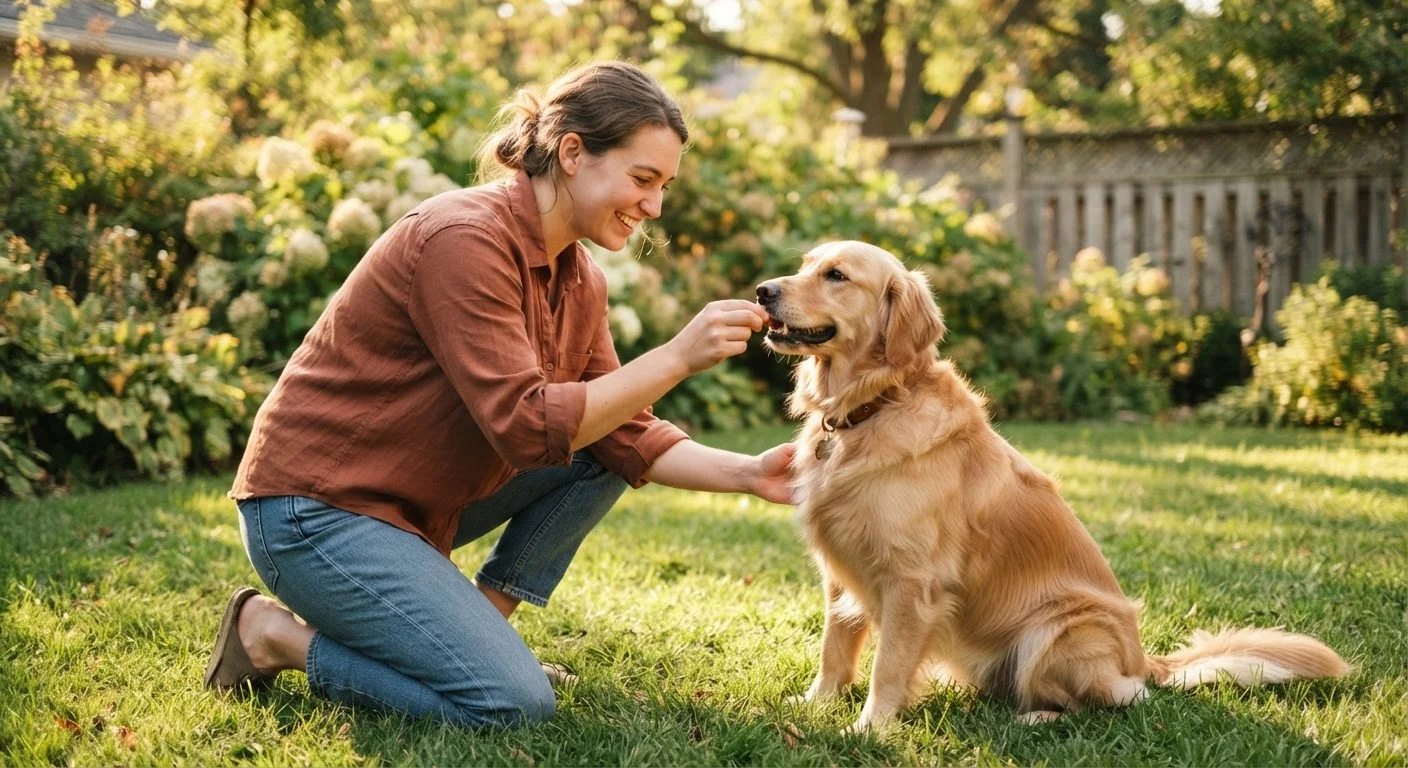
- Choose a meaningful reward. A reward only works if the animal actually wants it. For many dogs, small, soft, high-value treats outperform kibble during training. For some cats, a brief play session with a wand toy is more motivating than any food.
- Mark the moment. The instant your pet performs the desired behavior, mark it — either with a crisp verbal cue like "yes!" or with a training clicker. This tells the animal exactly which action earned the reward, even if the treat takes a second to deliver.
- Keep sessions short. Animals learn best when they're alert and engaged, not fatigued. Five to ten minutes per session is typically more effective than a single thirty-minute block.
- Be consistent. Every member of the household should use the same cues and reward the same behaviors. Mixed signals stall progress significantly.
Start Simple, Then Build Complexity
Begin with behaviors your pet almost offers naturally — like sitting or making eye contact. Once your pet understands that certain actions produce rewards, introducing more complex or new behaviors becomes much easier. Building on small wins keeps both the animal and the owner motivated.
For a broader look at how training fits into daily routines, see responsible pet ownership — covering behavioral needs alongside health and socialization.
Common Misconceptions and Real-World Applications
Many owners worry that reward-based training creates bribery rather than genuine obedience, or that it won't hold up without constant treats. In practice, this concern reflects a misunderstanding of how reinforcement schedules work.
Once a behavior is reliably learned, transitioning to an intermittent reinforcement schedule — rewarding the behavior only some of the time, unpredictably — actually makes the behavior more resistant to fading. Think of it like a slot machine effect: unpredictable rewards sustain effort far longer than guaranteed ones.
Positive reinforcement also has implications beyond formal training sessions. How you respond to your pet's everyday behavior — whether you give attention when they jump on guests or when they sit calmly — shapes their habits constantly. Owners who understand this tend to see faster, more stable results.
It's worth noting that some behaviors commonly attributed to dominance or spite are actually communication signals or anxiety responses. Our article on common pet behavior myths explores these misunderstandings in detail, helping owners respond more effectively.
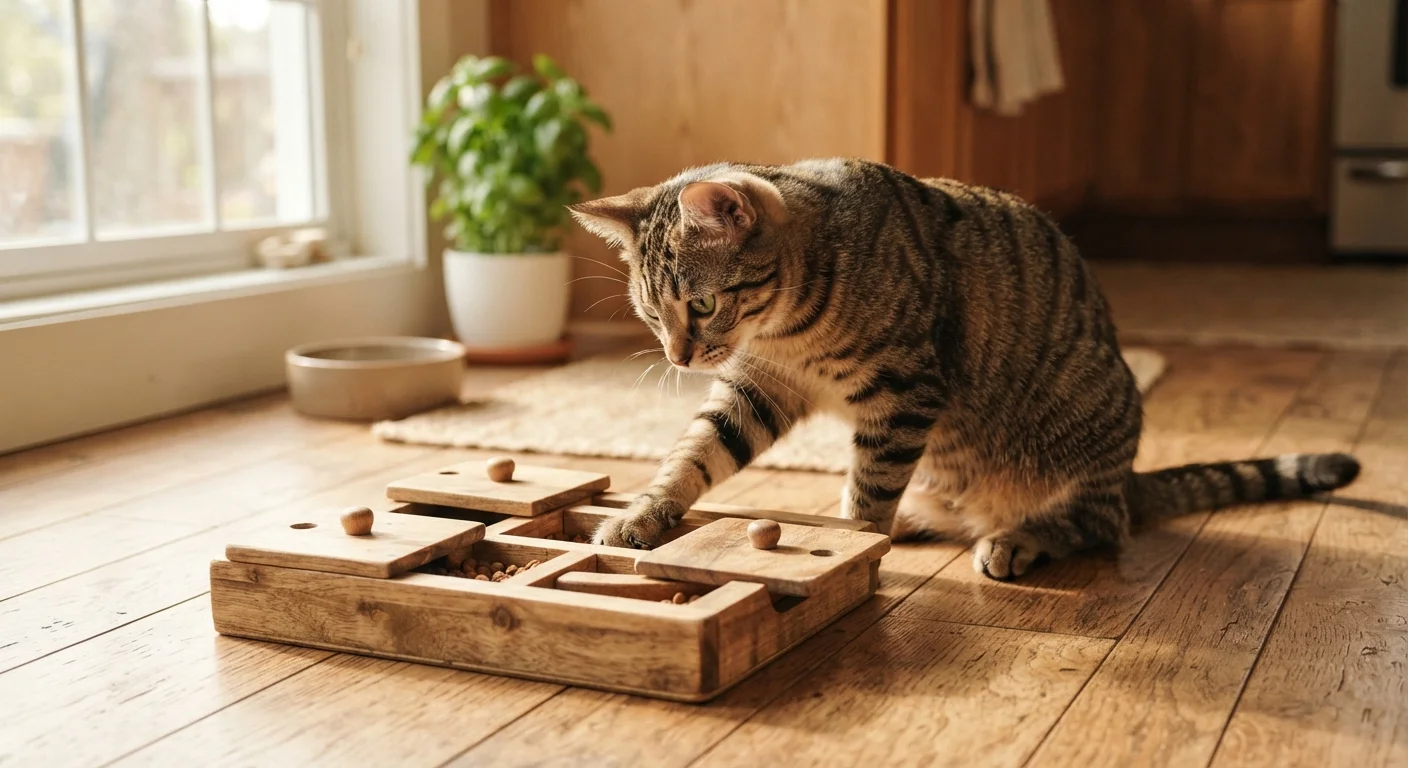
Mental stimulation also plays a critical role in trainability. Pets that are understimulated are more likely to engage in problem behaviors and harder to focus during sessions. Our guide to enrichment activities for indoor pets offers practical ideas that complement a training routine. You can also explore why mental stimulation matters as much as physical exercise for a deeper look at keeping pets cognitively engaged.
If you're also working through questions about giving your dog more independence at home, crate training versus free-roaming is a useful companion read.
This article provides general educational information about pet training methods and is not a substitute for guidance from a qualified veterinary behaviorist or certified animal trainer. If your pet shows signs of aggression, severe anxiety, or other serious behavioral challenges, consult a professional.