Understanding Each Approach
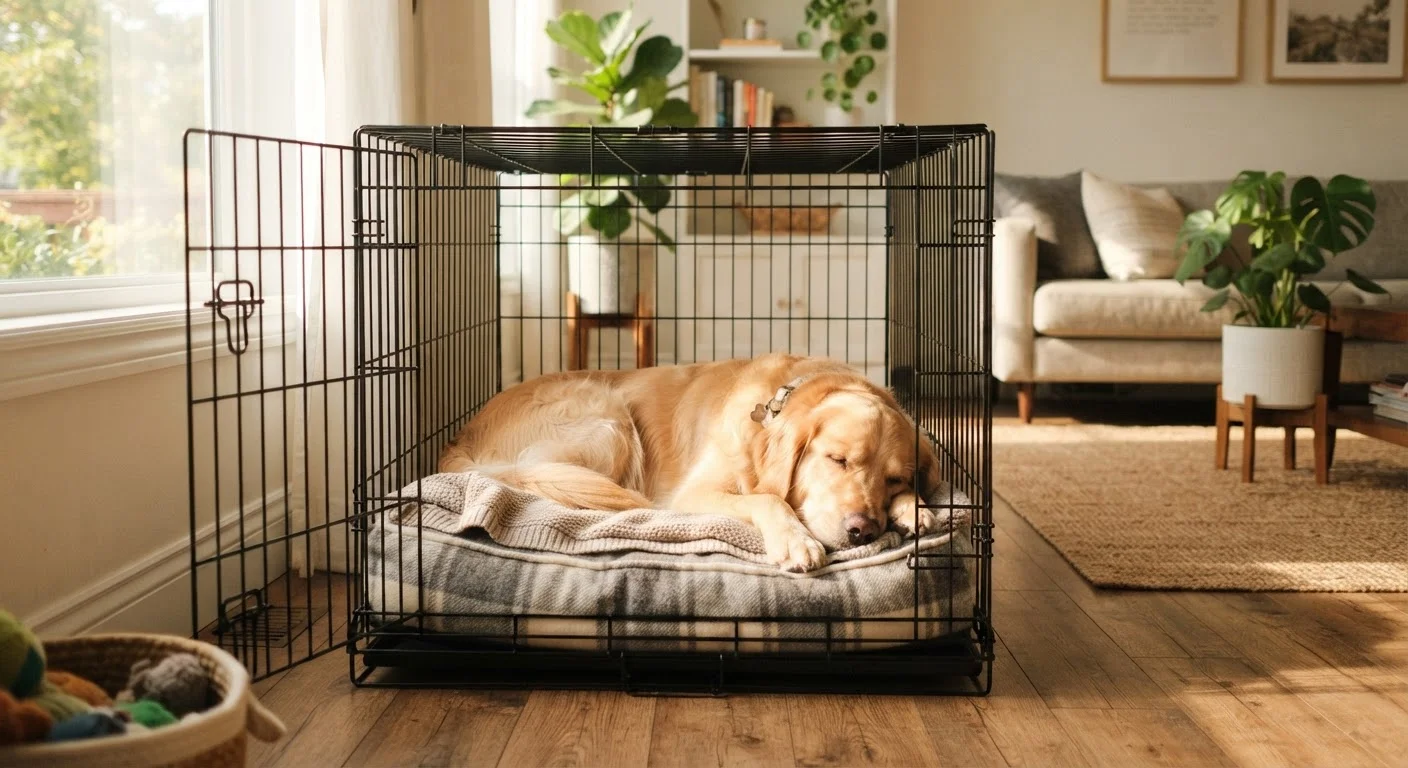
Crate training involves giving a dog a dedicated, enclosed space — typically a wire or plastic kennel — that functions as its personal den. When introduced with patience and positive reinforcement, a crate becomes a place the dog associates with safety rather than confinement. The American Veterinary Medical Association (AVMA) recognizes the crate as a legitimate management and training tool when used humanely.
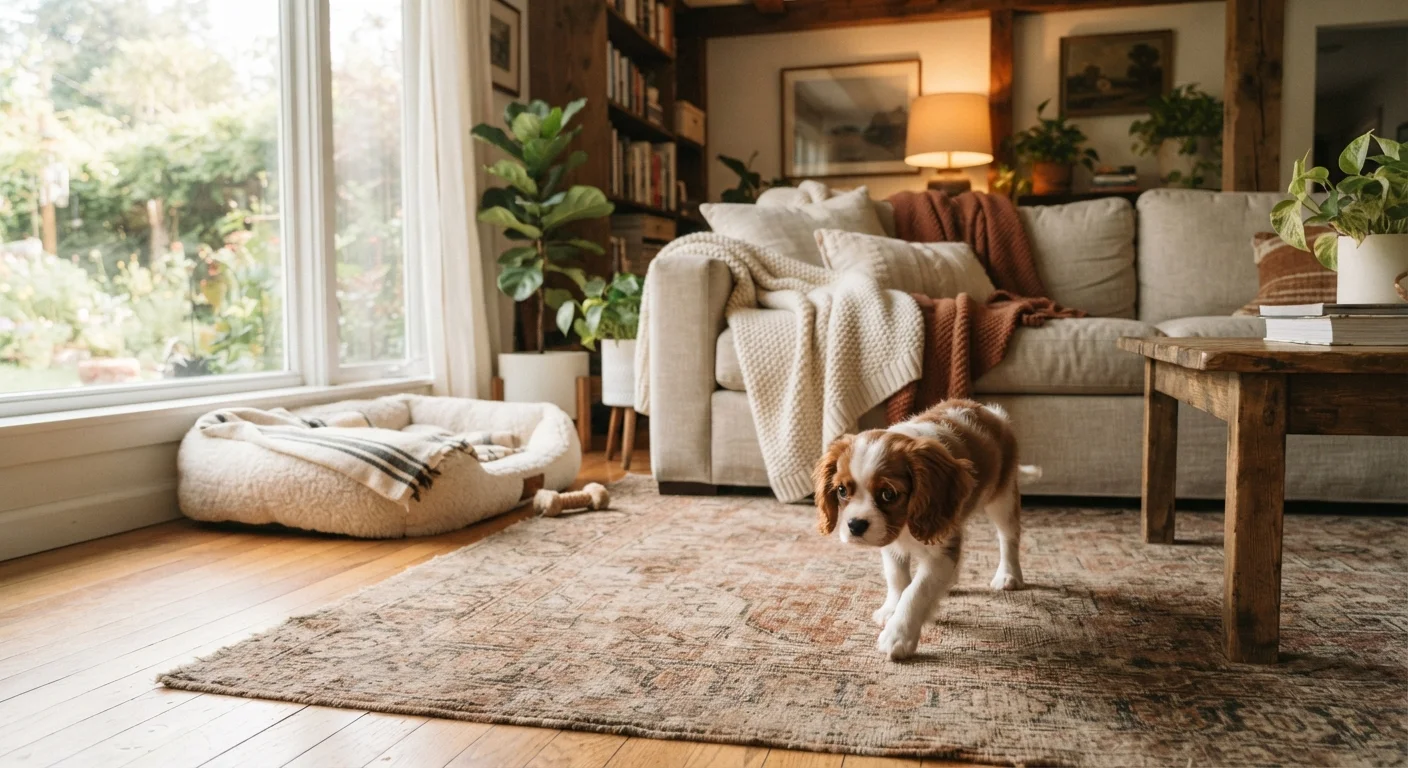
Free-roaming, by contrast, allows a dog access to some or all of the home without restriction. This approach relies on the dog having already internalized appropriate behavior — meaning no destructive chewing, no elimination indoors, and the emotional stability to handle alone time without distress.
Neither method is inherently better. The value of each depends heavily on the individual dog — its age, breed tendencies, prior experiences, and current training level. If you're still in the early stages, our guide on bringing a pet home for the first time covers how to set up a safe environment before these decisions are even made.
How Crate Training Affects Safety and Behavior
A crate limits the choices available to a dog when it cannot be directly supervised. This matters most for puppies, whose bladders are not yet fully developed and whose curiosity can lead them toward electrical cords, toxic plants, or small ingestible items. Crating during unsupervised periods prevents many of the household accidents and ingestion emergencies that veterinary emergency rooms regularly see.
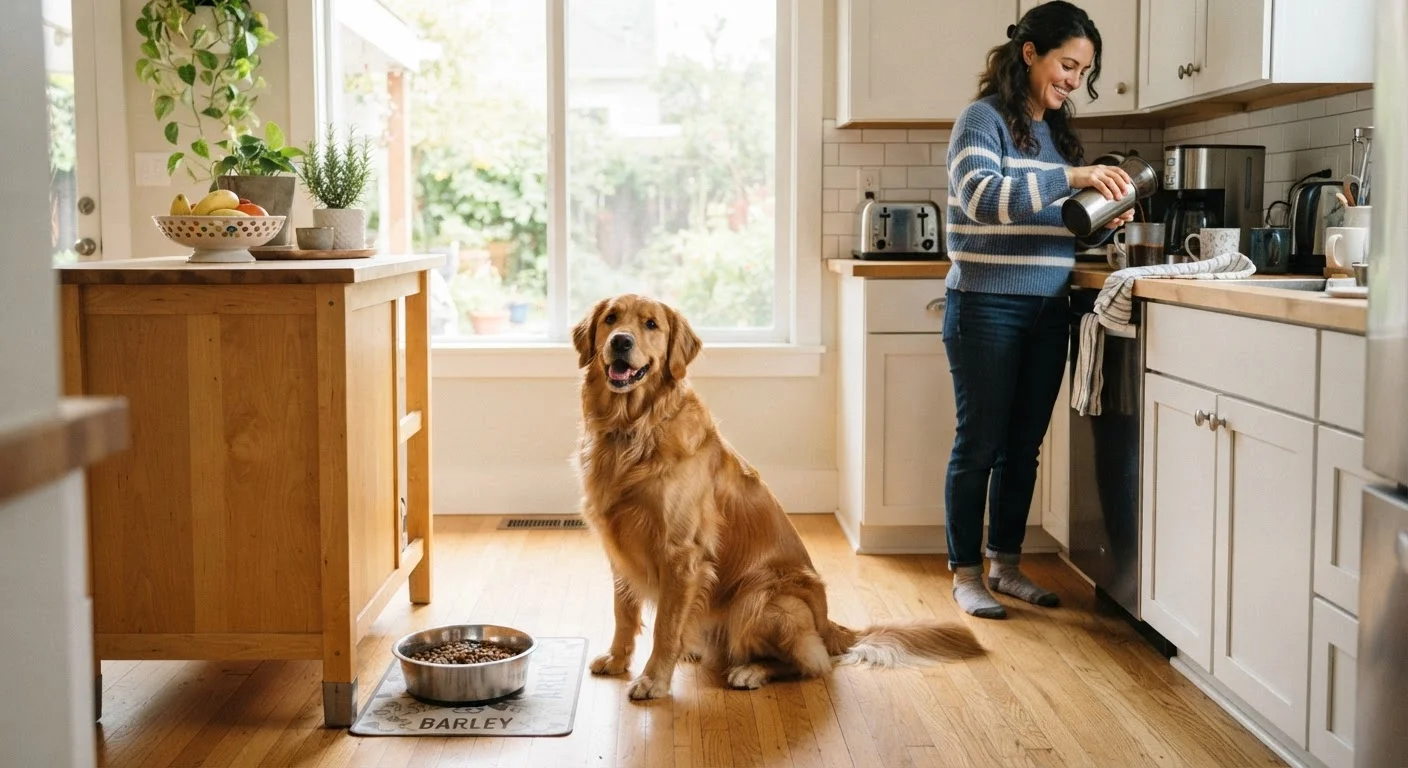
Behaviorally, crate training also supports the development of a predictable routine. Dogs are creatures of pattern, and knowing where they sleep, rest, and spend quiet time reduces ambient stress. Building a consistent daily routine reinforces the crate's role as a reliable anchor in a dog's day.
Crates and Anxiety: Know the Difference
Some dogs with separation anxiety become more distressed when confined, not less. Signs include frantic attempts to escape, excessive vocalization, or self-injury. If your dog shows these responses to a crate, do not continue using it without professional guidance. A veterinary behaviorist can help determine the most appropriate management strategy for anxiety-driven behavior.
There is an important caveat: crates must never be used as punishment, and dogs should not be crated for excessive durations. Most animal behaviorists suggest adult dogs should not remain crated for more than four to five hours at a stretch during the day. Puppies need even more frequent breaks.
When Free-Roaming Makes Sense
Free-roaming is a reasonable, dog-friendly choice for animals that have earned that level of independence through demonstrated behavior. A dog that consistently avoids destructive chewing, has reliable bladder control, and remains calm during owner absences can generally handle open access without significant risk.
The transition from crate use to free-roaming is usually a gradual one. Many owners begin by granting access to one room, then expand that zone over weeks or months based on how the dog responds. This phased approach protects the home and gives the dog a chance to succeed at each stage before taking on more.
~65%
Dog owners who use crates during puppyhood
According to the American Pet Products Association's National Pet Owners Survey, roughly two-thirds of dog owners report using a crate at some stage of their dog's early life.
4–6 hrs
Maximum recommended daytime crating for adult dogs
Most veterinary behaviorists and humane organizations advise against crating adult dogs for longer than four to six hours at a time during daylight hours.
It is also worth noting that some dogs display very different behavior during owner absences than when supervised. What looks like misbehavior during free-roaming may actually be a sign of separation anxiety — a distinct condition that requires a different intervention than simply returning to a crate.
In multi-pet homes, the calculus becomes more complex. Managing different species under one roof may mean one pet crates while another roams, depending on their individual histories and compatibility.
Making the Right Call for Your Dog
The most practical framework for most owners is to start with crate training and treat free-roaming as a privilege that is earned over time. This sequence protects the dog during its most vulnerable learning phases and gives the owner concrete behavioral signals — consistent cleanliness, no destructive behavior, calm solo time — that indicate readiness for expanded freedom.
Key questions to ask before transitioning to free-roaming:
- Has the dog gone at least several weeks without an indoor accident?
- Does the dog leave household objects alone when unsupervised, even briefly?
- Does the dog settle calmly when left alone for short periods?
- Is the home free of accessible hazards the dog could reach or ingest?
If the answer to all four is yes, a gradual expansion of access is likely appropriate. If any answer is uncertain, continuing with a managed environment — whether a crate, a gated room, or a combination — is the more protective choice.
This article provides general pet care information and does not substitute for advice from a licensed veterinarian or certified animal behaviorist. If your dog is experiencing behavioral challenges, consult a qualified professional for an individualized assessment.