Why This Decision Deserves More Than a Slogan
Few topics in pet ownership generate more heat than the rescue-versus-breeder debate. Slogans like "adopt don't shop" or "responsible breeders matter" each carry real conviction — but they also tend to flatten a genuinely complex decision into a moral shortcut.
The honest truth is that both paths can lead to a loving, healthy relationship with an animal. Both can also go badly wrong. What makes the difference is not the source itself but how carefully a prospective owner evaluates their own situation — and the specific animal or program they're considering.
Before bringing any animal home, it's worth reviewing everything you need in place first, from supplies to veterinary relationships. Getting that foundation right matters more than which door you walk through to find your pet.
What Shelter and Rescue Adoption Actually Involves
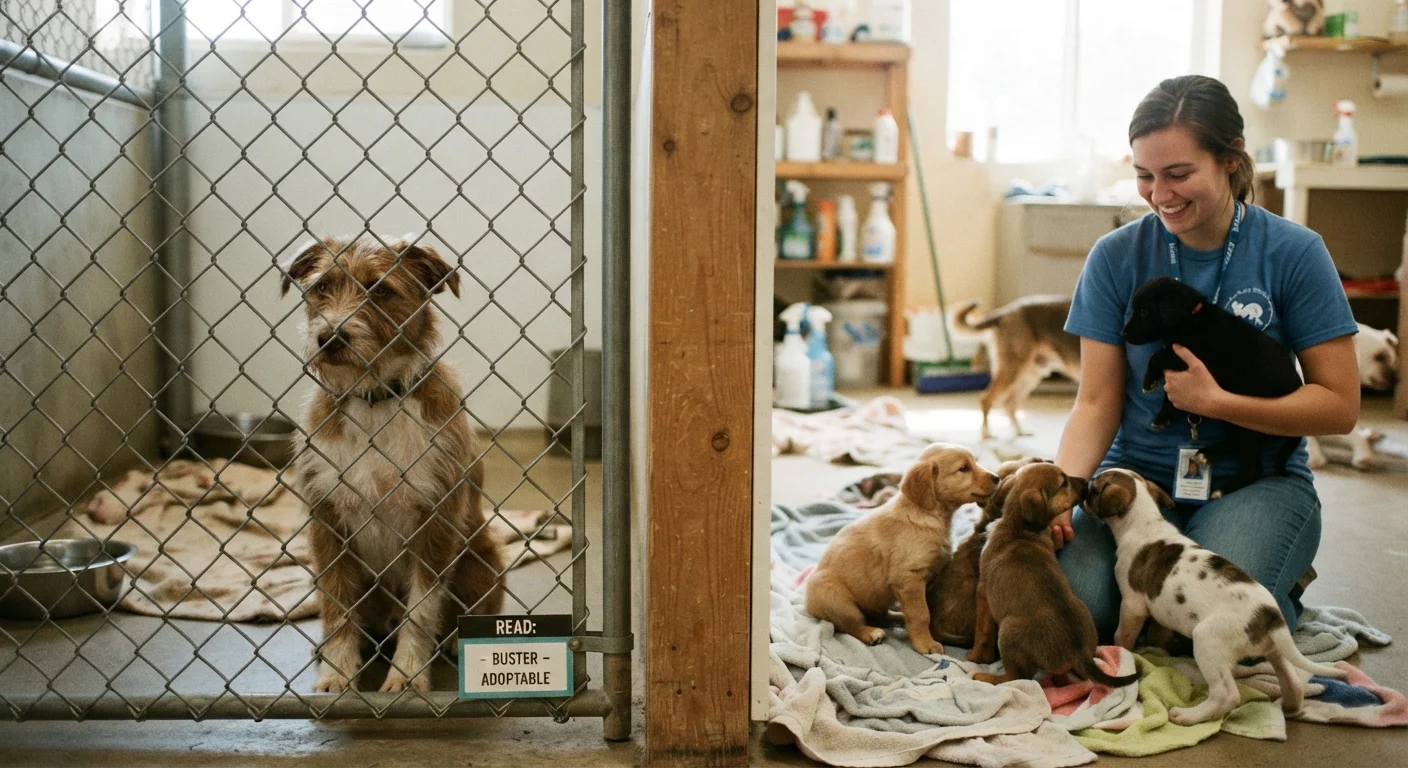
Animal shelters and rescue organizations range widely — from large municipal facilities to small foster-based networks focused on specific breeds. Understanding that variation is step one.
Potential advantages: Adoption fees are generally lower than purchase prices and often include spay/neuter, vaccinations, and a microchip. Many shelter animals are adults, meaning their size, energy level, and baseline personality are already observable. Staff or foster families may be able to share meaningful behavioral history.
Real challenges: Background history on a rescue animal is frequently incomplete. Unknown early-life experiences can surface as behavioral issues — separation anxiety, leash reactivity, or resource guarding — that require patient, consistent work. Some rescues have medical histories that involve elevated ongoing care costs.
Ask Shelters the Right Questions
Before committing to a shelter animal, ask staff how the dog behaves around children, other animals, and unfamiliar people. Request any available history on previous homes or behavioral assessments. Good shelters conduct temperament evaluations and will match candidates honestly rather than just trying to clear kennel space — trust programs that have hard conversations with you upfront.
This doesn't make rescued animals less rewarding; many owners find the process of building trust with a dog who has had a difficult past deeply meaningful. But it does call for realistic expectations and, ideally, some experience with animal behavior. If your household includes very young children or other pets, discuss this openly with shelter staff — good programs will help you identify a compatible match rather than rush a placement. For multi-species households, managing introductions thoughtfully becomes especially important.
What Working With a Breeder Actually Involves
The term "breeder" covers an enormous range — from careful, health-focused hobby breeders who produce one or two litters a year, to high-volume commercial operations where animal welfare may be secondary to output. The difference is significant.
Potential advantages: A responsible breeder can provide documented health clearances for heritable conditions common to that breed, information on both parents' temperaments, and a multi-year relationship that includes guidance as the puppy grows. Breed-specific traits in size, energy, coat care needs, and working instincts are more predictable.
Real challenges: Identifying a genuinely responsible breeder requires effort. Warning signs of lower-quality operations include puppies available year-round with no waitlist, reluctance to share health testing records, or selling through third-party pet stores or online marketplaces without direct contact. Upfront costs are substantially higher, and a puppy's adult temperament still involves uncertainty despite good breeding practices.
| Rescue / Shelter Adoption | Responsible Breeder | |
|---|---|---|
| Upfront cost | Lower (fees often include basic care) | Higher (purchase price plus early vet visits) |
| Health history transparency | Often incomplete or unknown | Documented clearances typically available |
| Behavioral predictability | Variable; adults more readable than puppies | More predictable within breed traits |
| Wait time | Days to weeks in most cases | Months on waitlists for reputable breeders |
| Ongoing breeder/organization support | Varies widely by rescue program | Often available from responsible breeders |
| Animal age at acquisition | Often adult or adolescent | Typically puppy (8–12 weeks) |
| Risk of unknown behavioral issues | Higher due to unknown early history | Lower, though not zero |
Health costs deserve particular attention regardless of source. Understanding whether pet insurance makes sense for your situation is worth exploring early — both purebred dogs with known breed-linked conditions and rescue animals with unknown histories can generate unexpected veterinary expenses.
Making the Choice That Fits Your Real Life
Rather than asking which option is better in the abstract, ask which is better for your household right now.
- Your experience level: First-time owners often benefit from the predictability a well-socialized puppy from a responsible breeder can offer, along with the breeder's ongoing support. More experienced owners may be well-equipped to work through the adjustment period a rescue animal sometimes needs.
- Your lifestyle: High-energy working breeds require outlets that not every household can realistically provide. An adult shelter dog whose energy level is already apparent can be a better match than a puppy whose adult needs are unknown.
- Your timeline: Reputable breeders often have waitlists of many months. Shelters can facilitate adoption in days or weeks, though finding a specific type of dog may still take time.
- Your financial picture: Lower adoption fees don't mean lower long-term costs. Both paths require budgeting for food, routine veterinary care, training, and emergencies.
Once you bring your pet home, how you structure their daily environment matters enormously. Decisions like crate training versus free-roaming affect adjustment and safety regardless of where your dog came from. What you do after the decision is often more consequential than the decision itself — a point explored in depth in our overview of what responsible pet ownership truly involves.
This article is for general informational purposes only and does not constitute veterinary or professional animal-behavior advice. Consult a veterinarian or certified animal behaviorist for guidance specific to your situation.