Why Order Actually Matters
Most people assume skincare products work simply by being on your face. In reality, the sequence you apply them shapes how well each one performs. Skin acts as a selective barrier — it absorbs smaller, water-based molecules more readily than heavier occlusive ones. When a thick cream goes on first, it can block lighter treatments from reaching the layers where they're most effective.
The guiding principle is simple: thin to thick, water before oil. This isn't arbitrary beauty mythology — it reflects how skin absorbs different molecular weights and formulation types. If you're building your routine from scratch, understanding this logic will save you from a lot of trial-and-error frustration.
Absorption Time Isn't a Myth
You don't need to wait several minutes between every step, but a brief pause — about 20 to 30 seconds — after applying leave-on actives (like AHAs, BHAs, or retinol) gives them time to begin working before the next layer changes the surface environment. For most hydrating products like toners and serums, applying to slightly damp skin can actually boost absorption rather than hinder it.
The Standard Layering Order, Step by Step
Think of your routine as a sequence of increasingly dense layers, each one setting the stage for the next.
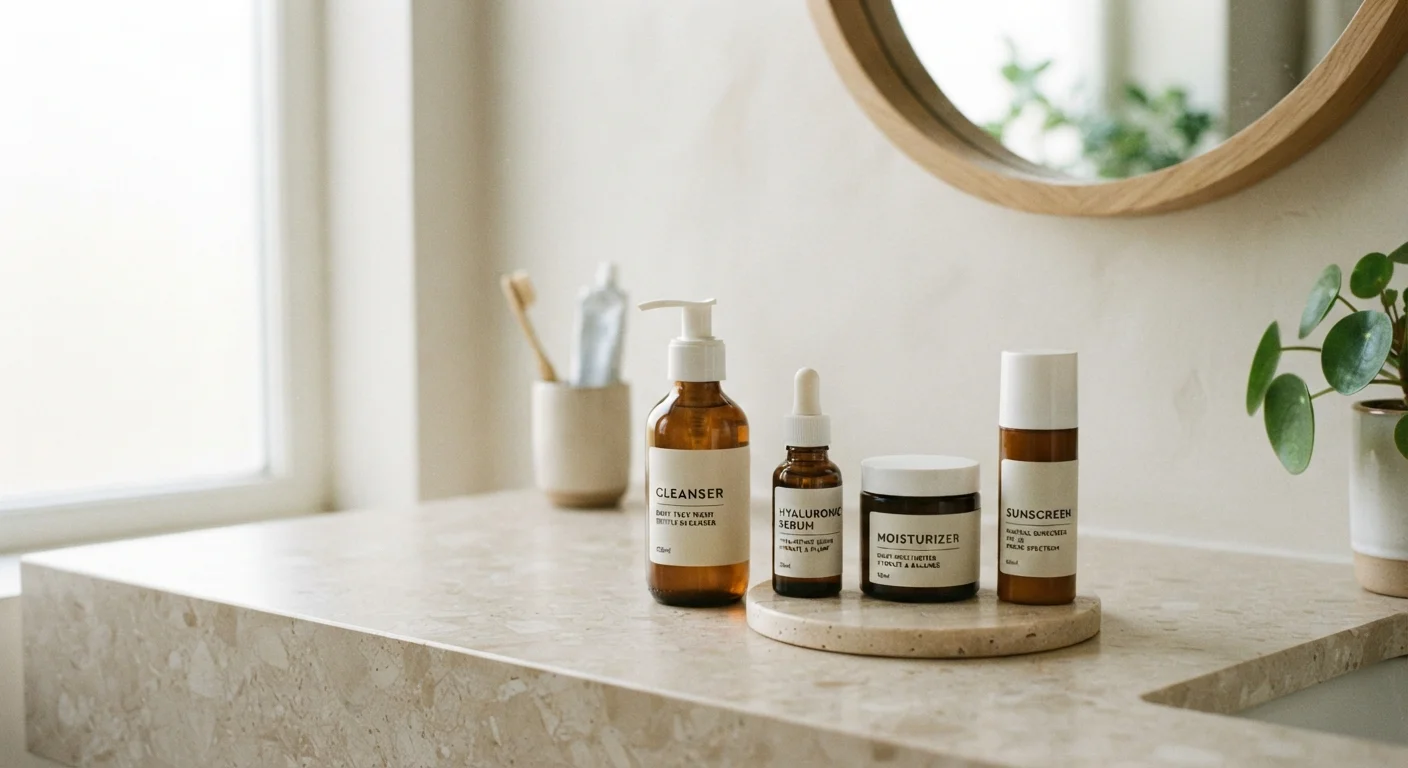
Cleanse first to start on a clean surface
Applying any product to skin with sunscreen, makeup, or environmental residue reduces its ability to absorb properly. A clean surface means subsequent products reach the skin rather than sitting on top of existing layers.
Apply toner or essence right after cleansing
Toners and essences are typically water-based and low-viscosity, making them the first real treatment layer. They can also help restore the skin's surface pH after cleansing, which matters for how well subsequent actives perform.
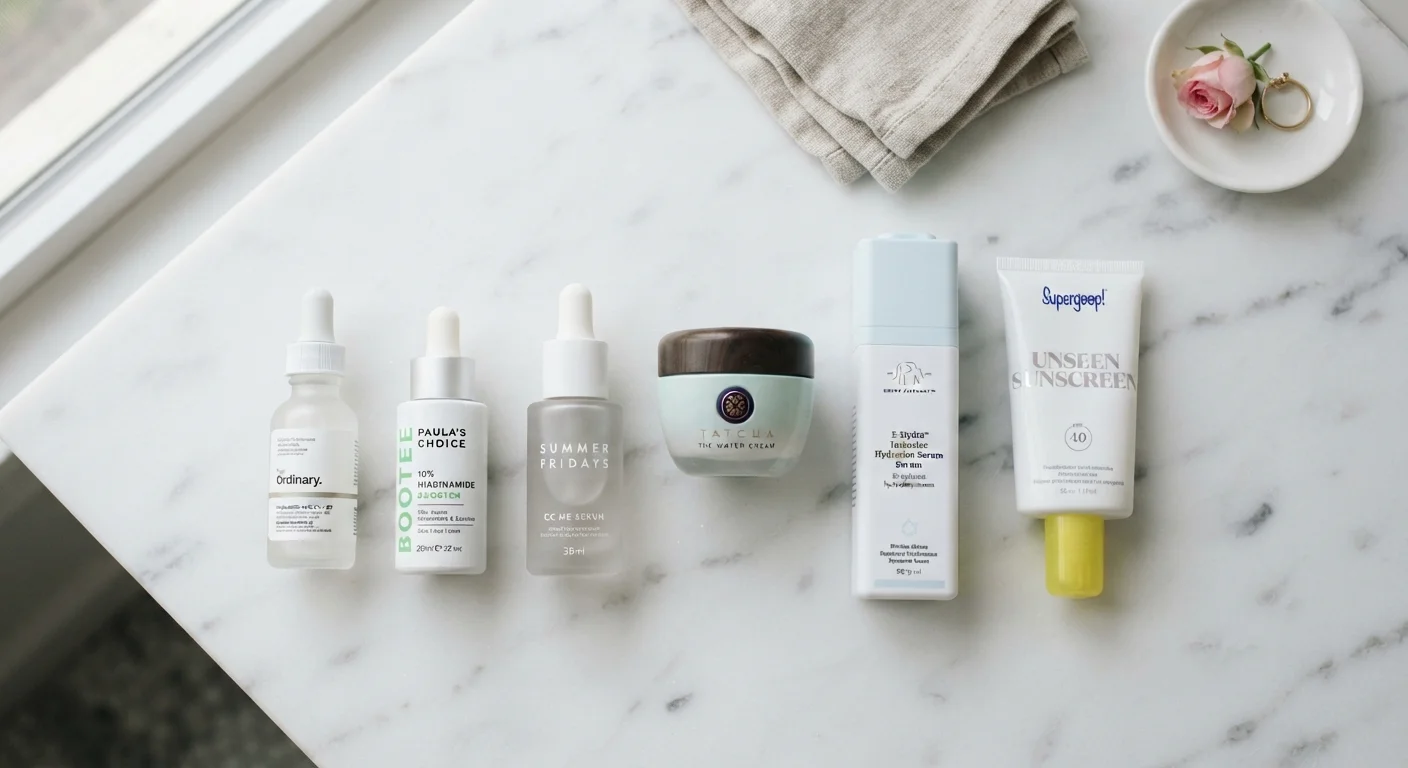
Layer serums from thinnest to thickest
If you use more than one serum, starting with the thinnest — often a water-based vitamin C or hyaluronic acid formula — ensures smaller molecules aren't blocked by denser ones applied earlier.
Seal with moisturizer to lock in previous layers
Moisturizer creates a supportive film that helps earlier layers stay where they belong and prevents water loss. Skipping it — especially after active treatments — can leave skin feeling tight or reactive.
Always finish your morning routine with SPF
Sunscreen is a non-negotiable final step in any daytime routine. Applying it before moisturizer or over makeup can dilute the SPF value, reducing UV protection. It needs to sit on top of everything else to form an effective shield.
Not every routine needs all these steps. A minimal routine — cleanser, moisturizer, SPF — already benefits from the correct order. But as you add products, this framework keeps things from working against each other. For a practical look at where you can trim without losing results, see how to simplify your skincare without sacrificing results.
Active Ingredients: Where It Gets Complicated
The trickiest part of layering isn't the basic order — it's navigating products containing active ingredients like retinol, vitamin C, AHAs, BHAs, and niacinamide. Some combinations can reduce each other's potency or trigger sensitivity when used together in the same step or even the same routine.
A few grounding principles:
- pH-sensitive actives (like AHAs and BHAs) work best applied early, on clean skin, before products that might raise the skin's surface pH and blunt their effect.
- Retinol typically goes on after water-based serums but before heavier moisturizers. Some people use the "buffer" method — applying a thin moisturizer first to reduce irritation — particularly when starting out.
- Vitamin C (ascorbic acid) is usually a morning serum applied after toning, before SPF, since it offers some photoprotective properties alongside antioxidant benefits.
Before experimenting, it's worth reviewing which skincare ingredients don't play well together to avoid common combinations that cause more harm than good.
Putting It All Together
Layering skincare correctly doesn't require a shelf full of products or a complicated ritual. It requires understanding a few logical principles and applying them consistently. Thin before thick. Water before oil. Actives before barriers. SPF last in the morning.
If you're ever unsure about a product's place in the lineup, check its texture and formulation. A gel-like serum always goes before a lotion; a lotion always goes before a cream. When in doubt, use a pre-introduction checklist to add new products carefully rather than guessing. And if ingredient labels still feel like a foreign language, learning to read a skincare ingredient label can help you make smarter decisions faster.
This article is for general informational purposes only and does not constitute medical or dermatological advice. Consult a licensed dermatologist or healthcare professional for concerns about your skin's health.