Why Makeup Removal Deserves More Attention
For many of us, end-of-day makeup removal is an afterthought — a quick swipe before bed. But dermatologists and estheticians consistently point to thorough cleansing as one of the most impactful habits in any skincare routine. Here's why: makeup, sunscreen, and the day's environmental pollutants form a layer on the skin that standard face wash alone often can't fully dissolve. That residue can block pores, dull your complexion over time, and prevent your serums and moisturizers from absorbing properly.
Sleeping in makeup is particularly problematic. Skin does much of its cellular repair work overnight, and a film of pigment, silicones, and oils creates an unfavorable environment for that process. Even "light" coverage products leave a trace that adds up nightly. If you've noticed breakouts along the jawline, persistent dullness, or that your skincare products don't seem to do much — incomplete removal may be a factor worth examining. See how each skincare step builds on the last in our overview of what each skincare step actually does.
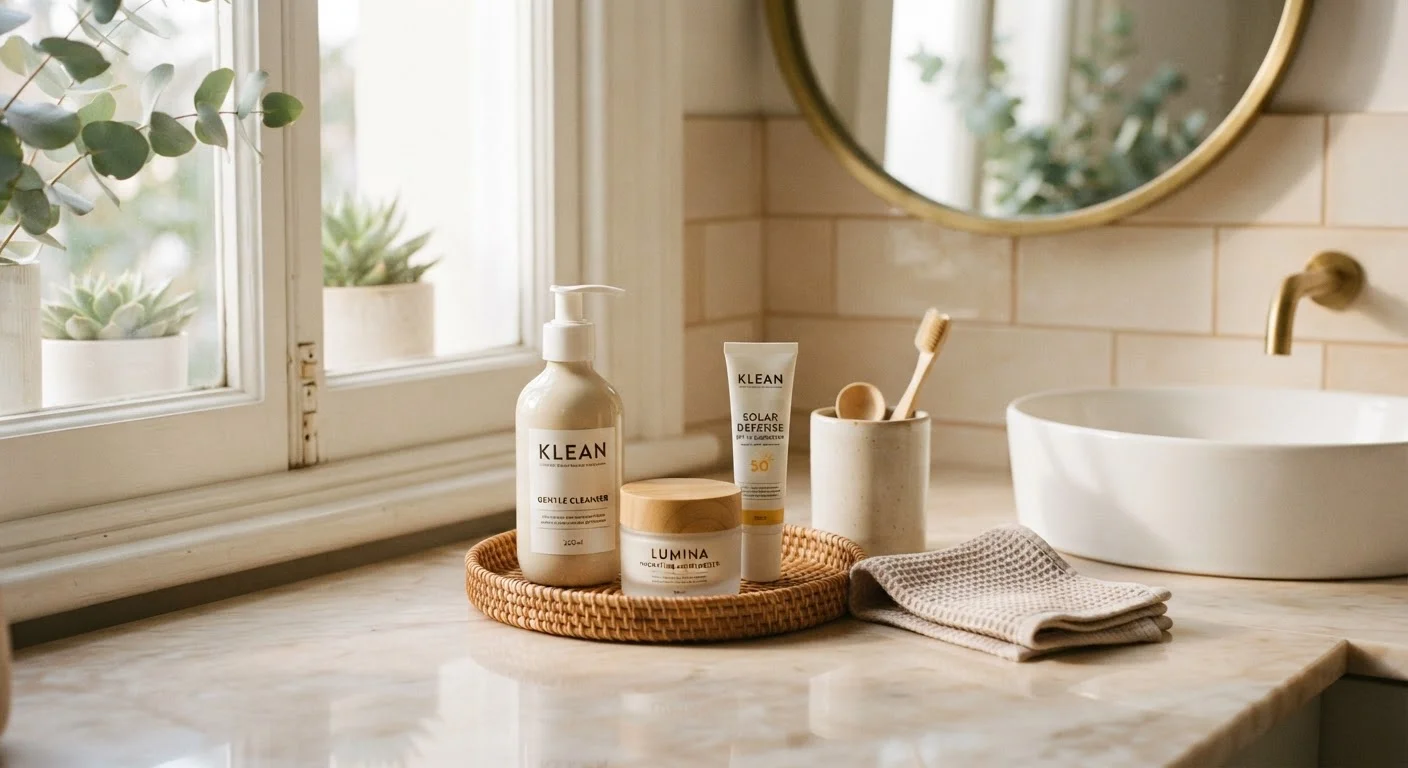
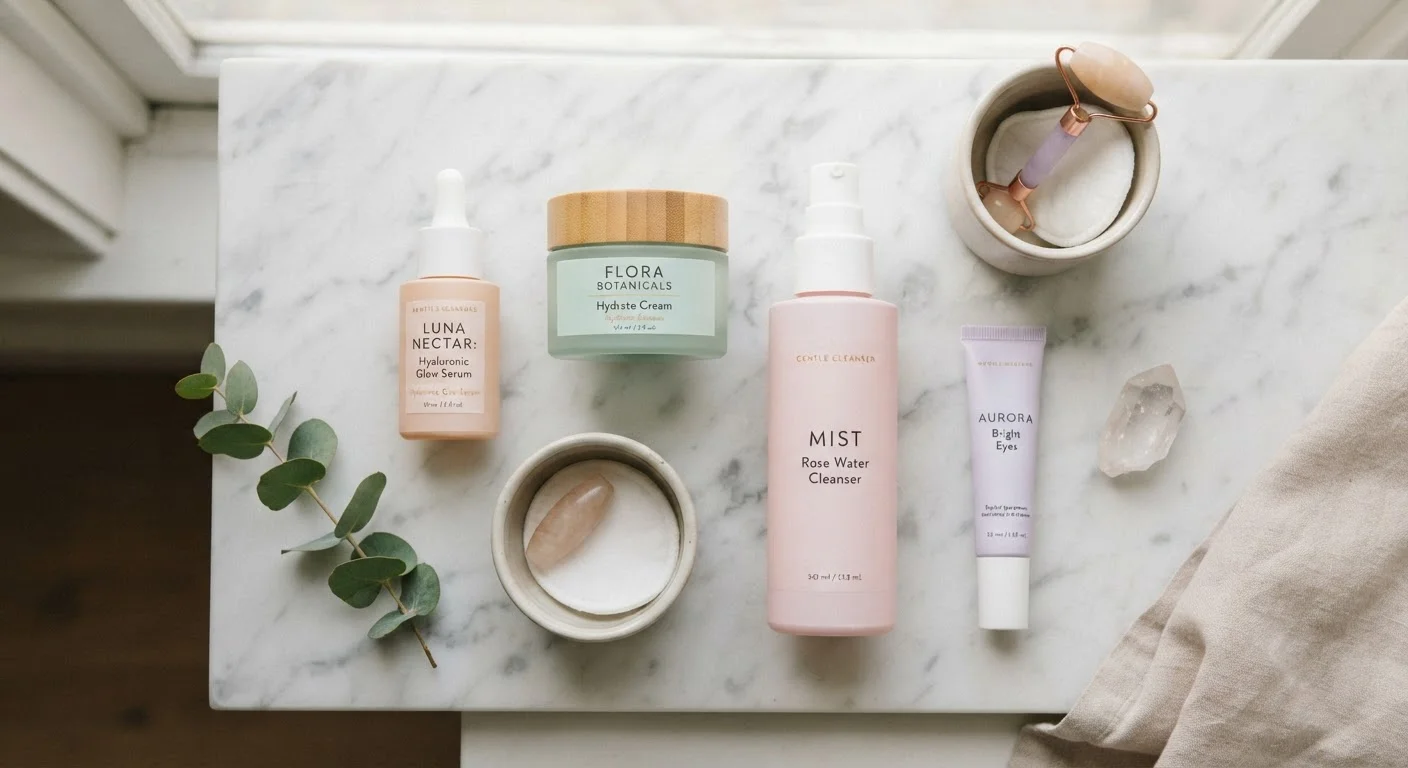
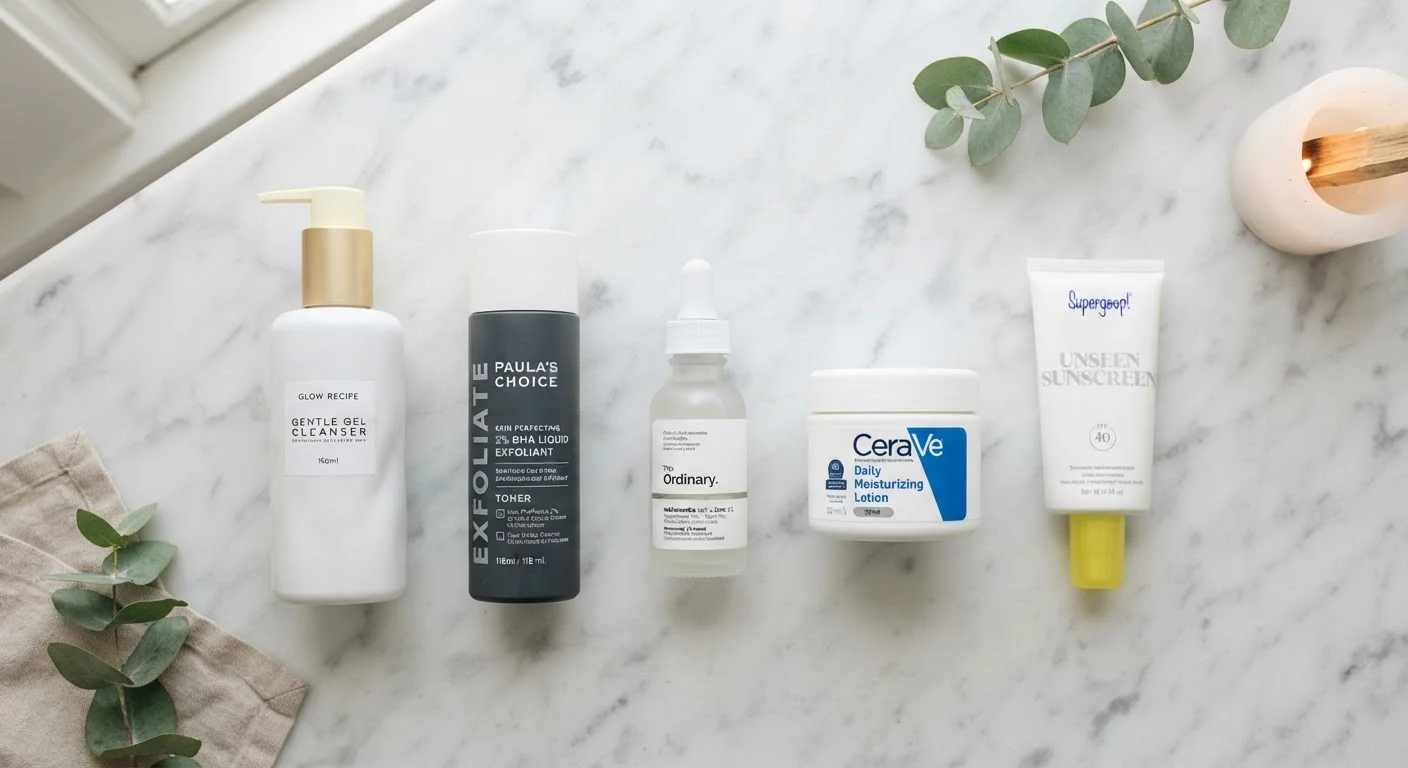
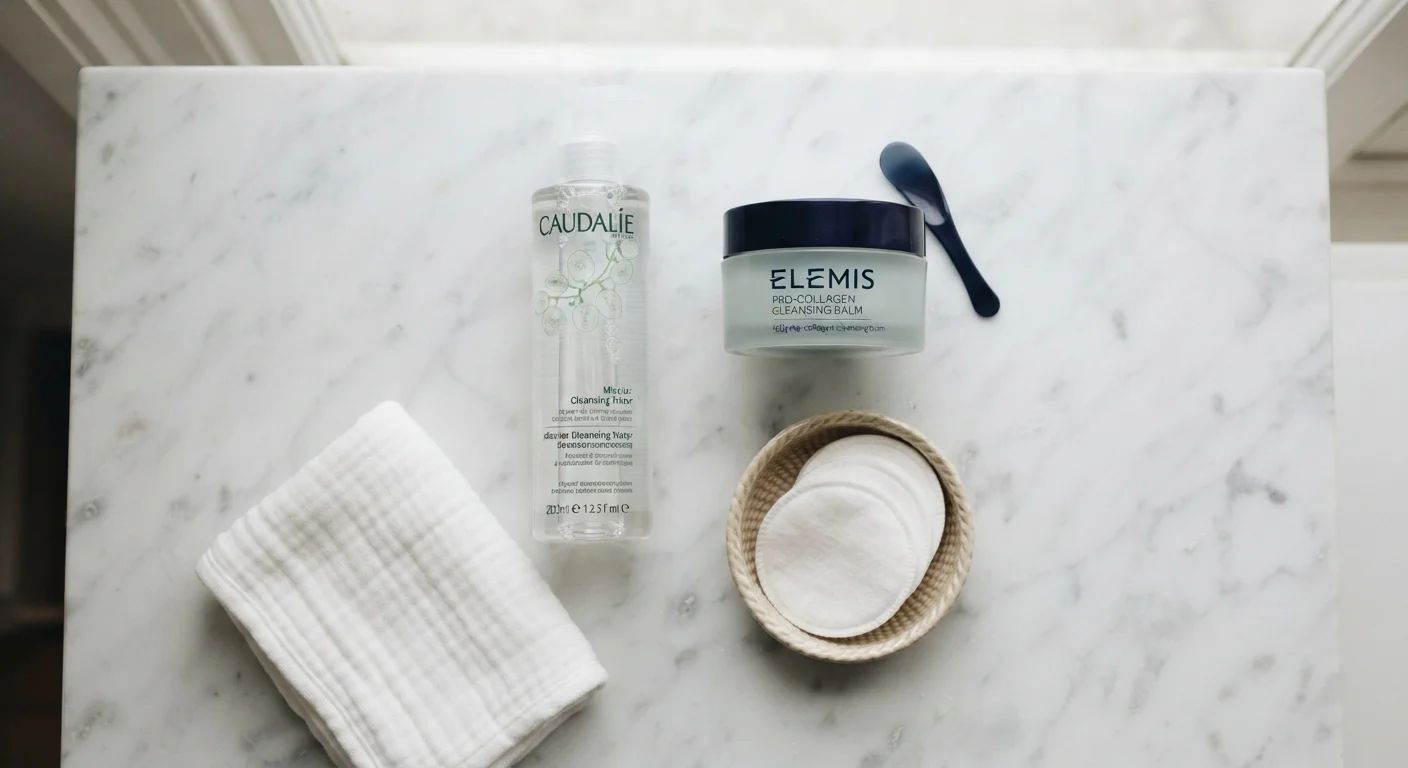
What you will need
Choosing the Right Removal Method for Your Skin
Not all removers work the same way, and what feels luxurious for one person may frustrate another. Understanding a few categories helps you pick confidently:
- Micellar water uses tiny micelle molecules that attract oil and makeup, lifting them off skin without rinsing. It's gentle enough for sensitive skin and great for light daily makeup — though it may not be sufficient as a stand-alone step for heavy or waterproof formulas.
- Cleansing oils and balms work on the "like dissolves like" principle: oil-based formulas break down oil-based makeup, sunscreen, and sebum efficiently. They're an excellent first step in a double-cleanse routine and work across most skin types, including oily skin (which can actually benefit from oil cleansing).
- Cleansing milks and creams are hydrating and low-lather, making them ideal for dry or reactive skin that finds gel cleansers stripping.
- Gel and foam cleansers are most effective as a second step after an oil-based pre-cleanse, removing any remaining residue and leaving skin feeling fresh.
Wondering what's really in your remover? Our guide to reading a skincare ingredient label can help you decode what you're actually putting on your face.
Oil Cleansing Works for Oily Skin Too
It may seem counterintuitive, but oil-based cleansers are generally well-tolerated by oily skin types. Oil dissolves excess sebum more effectively than many foaming cleansers, which can strip the skin and trigger even more oil production in response. Start with a small amount and see how your skin responds over a week.
Step-by-Step: How to Remove Makeup Properly
Follow these steps for a thorough, skin-friendly cleanse every evening. The whole process takes under ten minutes and makes everything that follows — toner, serum, moisturizer — significantly more effective.
Start Dry — Apply Your Oil-Based Remover to Dry Skin
Apply a cleansing oil or balm directly to dry skin before wetting your face. Massaging onto dry skin allows the formula to bind with oil-based makeup and sunscreen more effectively. Work in gentle circular motions across the entire face, including the eye area. Spend at least 30–60 seconds on this step — rushing it limits how much the formula can emulsify the makeup.
Emulsify and Rinse Thoroughly
Add a small amount of water to your hands and gently work it into the oil or balm already on your face. The formula will turn milky — that's the emulsification that lifts everything from your pores. Rinse thoroughly with lukewarm water, making sure no oily residue remains along the hairline or jawline, which are common missed spots.
Follow With a Gentle Water-Based Cleanser
Apply a small amount of gel, foam, or cream cleanser to damp skin and massage for another 30–60 seconds. This second cleanse removes any remaining oil-cleanser residue, traces of makeup, sweat, and daily grime that the first step loosened. Rinse with lukewarm water and pat — never rub — skin dry with a clean towel.
Address the Eye Area Last if Using Micellar Water
If you're using micellar water rather than a balm, soak a cotton pad fully and hold it against your closed eye for several seconds before gently sweeping downward. Repeat with a fresh pad until no pigment transfers. Avoid back-and-forth scrubbing, which can irritate the delicate orbital area.
Continue With the Rest of Your Skincare Routine
Now that your skin is genuinely clean, your toner, serums, and moisturizer can penetrate and perform as intended. Apply products in order of thinnest to thickest consistency. Clean skin is not just a cosmetic goal — it's the foundation that makes every other step in your routine more effective.
Don't Rely on Makeup Wipes Alone
Pre-moistened makeup wipes are a convenient backup in a pinch, but they're not a substitute for a proper cleanse. Most wipes smear rather than lift — spreading makeup, preservatives, and residue across the face rather than removing them. If wipes are all you have, follow up with a cleanser as soon as possible.
Once you've nailed your evening removal routine, building the right morning follow-up is the natural next move. Our guide to building a morning skincare routine from scratch walks you through exactly that.
Common Mistakes That Undermine Your Efforts
Even with the right products, a few habits can limit your results or cause irritation:
- Aggressive rubbing: The skin around your eyes is thinner than anywhere else on your face. Tugging at it repeatedly contributes to fine lines over time. Use gentle, circular or pressing motions instead.
- Skipping a second cleanse: A single micellar-soaked cotton pad rarely removes everything — especially foundation, sunscreen, or waterproof mascara. A two-step approach is more reliable.
- Using very hot water: Hot water disrupts the skin barrier. Lukewarm water is more effective and far kinder to your complexion.
- Wiping with dry cotton pads: Dry cotton drags across skin. Saturate pads fully so they glide, reducing friction and lint.
Many of these habits stem from myths that circulate in beauty spaces. It's worth reviewing common skincare myths that may be hurting your routine to separate fact from friction.