Step One: Cleansing — Clearing the Deck
Cleansing is the foundation of any routine, and its purpose is straightforward: remove the dirt, oil, makeup, sunscreen, and environmental pollutants that accumulate on skin throughout the day. If this layer isn't cleared, everything you apply afterward has to fight through that barrier to reach skin cells.
Cleansers work by using surfactants — molecules that attract both water and oil — to lift impurities from the skin's surface so they can be rinsed away. The key is choosing a formula gentle enough not to strip your skin's natural lipid barrier, which keeps moisture in and irritants out. Over-cleansing or using harsh surfactants can compromise that barrier, leading to tightness, dryness, or increased sensitivity.
Most dermatologists recommend cleansing twice daily — morning and evening — though some people with drier skin do well with just a splash of water in the morning. If you wear makeup or heavy sunscreen, a double cleanse (oil-based cleanser followed by a water-based one) in the evening helps ensure nothing is left behind.
Match Your Cleanser to Your Skin Type
Gel and foaming cleansers tend to work well for oily or combination skin. Cream or milk cleansers are generally more suitable for dry or sensitive skin. If your face feels tight or uncomfortable after washing, that's often a sign the formula is too stripping for your skin type.
Step Two: Toner and Serum — The Treatment Zone
After cleansing, the skin is primed to absorb active ingredients. This is where toners and serums come in — though they do very different things.
Toners were historically used to restore skin's pH after harsh cleansers shifted it. Modern formulations have evolved considerably: today's toners often deliver a first wave of hydration (via humectants like glycerin or hyaluronic acid) or gentle chemical exfoliation (via AHAs or BHAs). They're not essential for everyone, but they can be a useful bridge between cleansing and treatment steps.
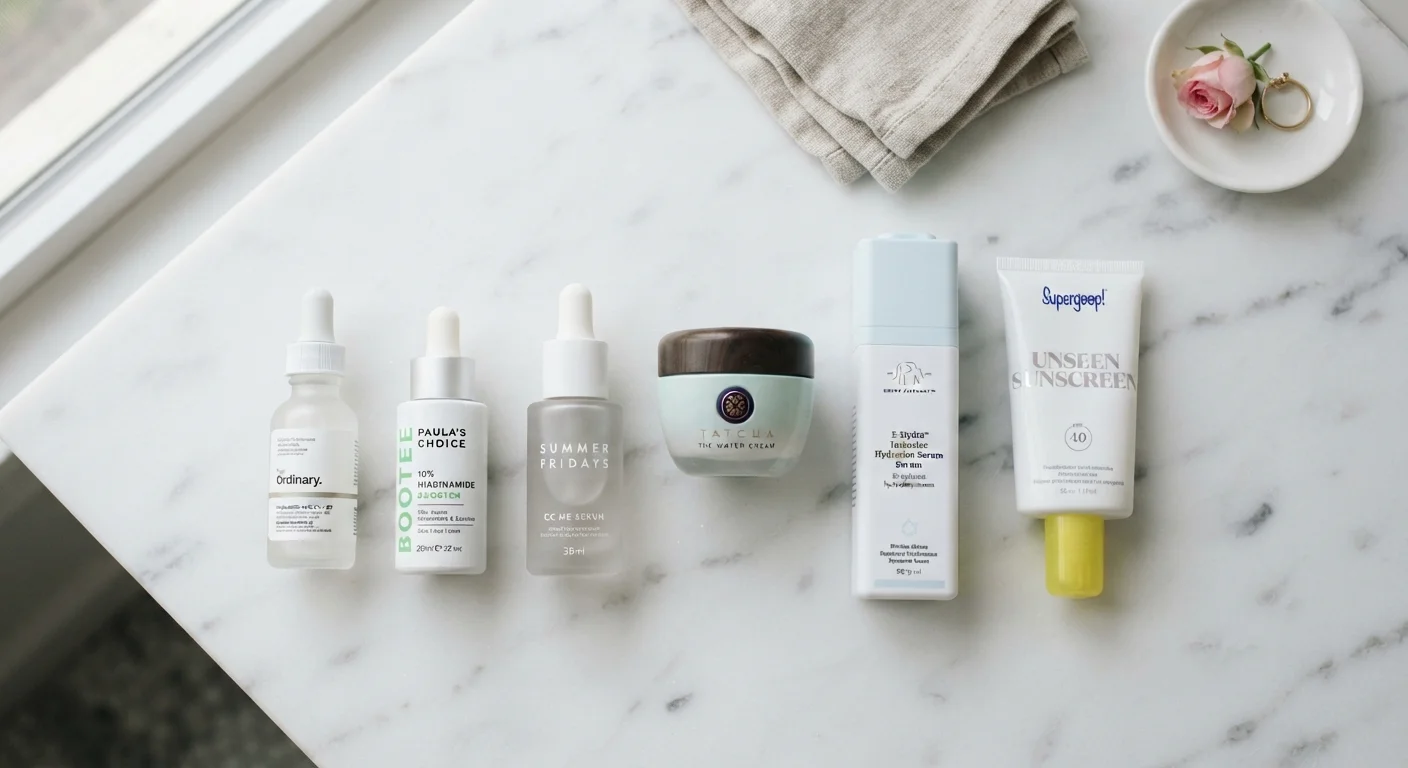
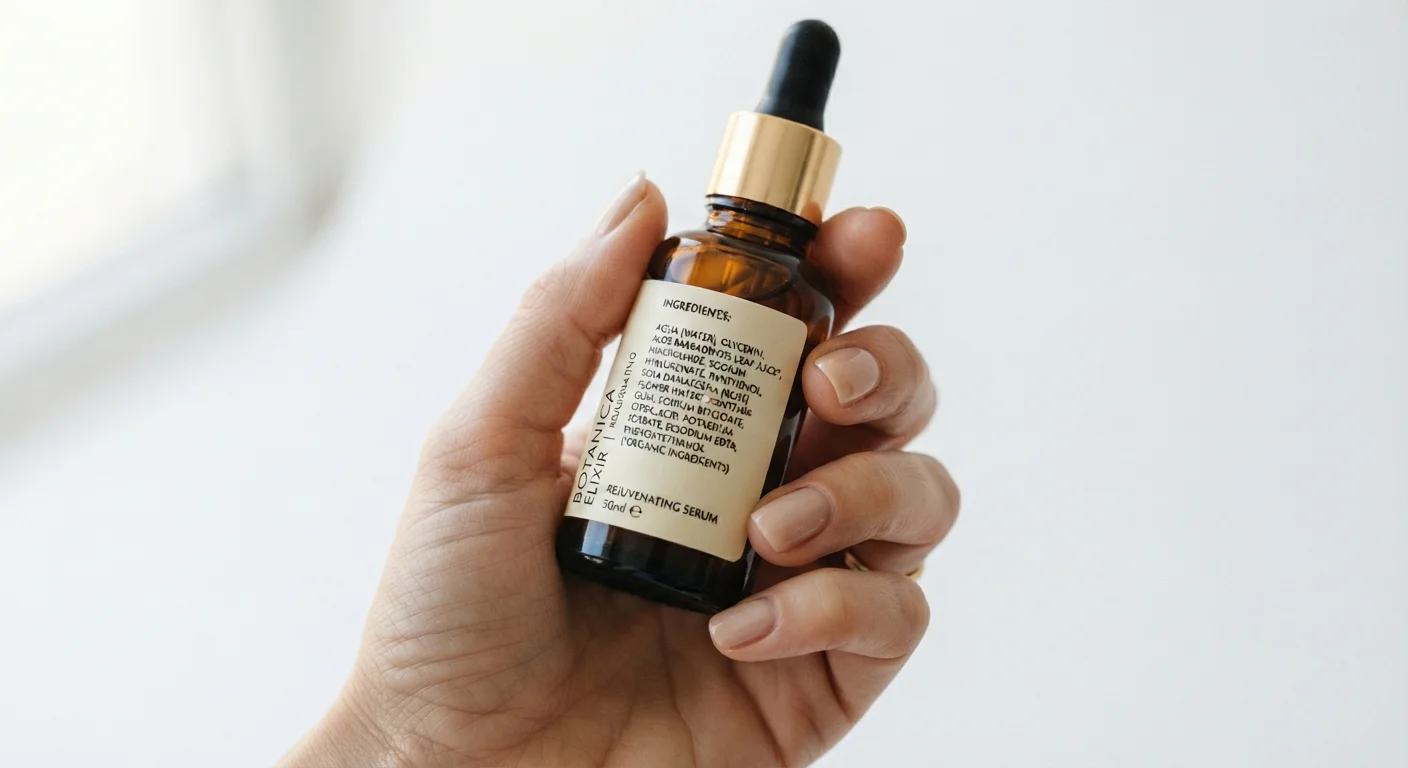
Serums are where targeted treatment happens. These are lightweight, high-concentration formulas designed to deliver specific active ingredients — think vitamin C for brightening, niacinamide for pore appearance and tone, or hyaluronic acid for deep hydration. Because they're formulated with smaller molecules and fewer filler ingredients, they penetrate more effectively than thicker creams. That concentration is also why reading ingredient labels can help you understand what you're actually applying.
90%
Of visible skin aging attributed to UV exposure
According to the Skin Cancer Foundation, up to 90% of visible skin aging — including wrinkles and uneven tone — is associated with cumulative sun exposure over a lifetime.
SPF 30+
Minimum SPF recommended for daily use
The American Academy of Dermatology recommends broad-spectrum sunscreen with at least SPF 30, applied every day as part of a morning skincare routine.
2x daily
Recommended cleansing frequency for most skin types
Most dermatologists suggest cleansing once in the morning and once at night, though individual skin needs may vary.
Step Three: Moisturizer and SPF — Seal and Protect
Moisturizer serves a dual role: it delivers additional hydration and, crucially, creates a barrier that slows water loss from the layers beneath. The science term here is transepidermal water loss (TEWL) — the natural process by which water evaporates through the skin. A good moisturizer contains a mix of humectants (draw water to skin), emollients (smooth and soften), and occlusives (form a physical barrier). Together, they help maintain what dermatologists call the skin barrier, which is essential for healthy, resilient skin.
Sunscreen, applied as the final morning step, is arguably the most evidence-supported skincare product available. UV exposure is a leading driver of both premature skin aging and skin cancer risk. Broad-spectrum SPF 30 or higher applied consistently — regardless of weather — is widely recommended by dermatological organizations. It belongs after moisturizer in the morning and is not a nighttime step.
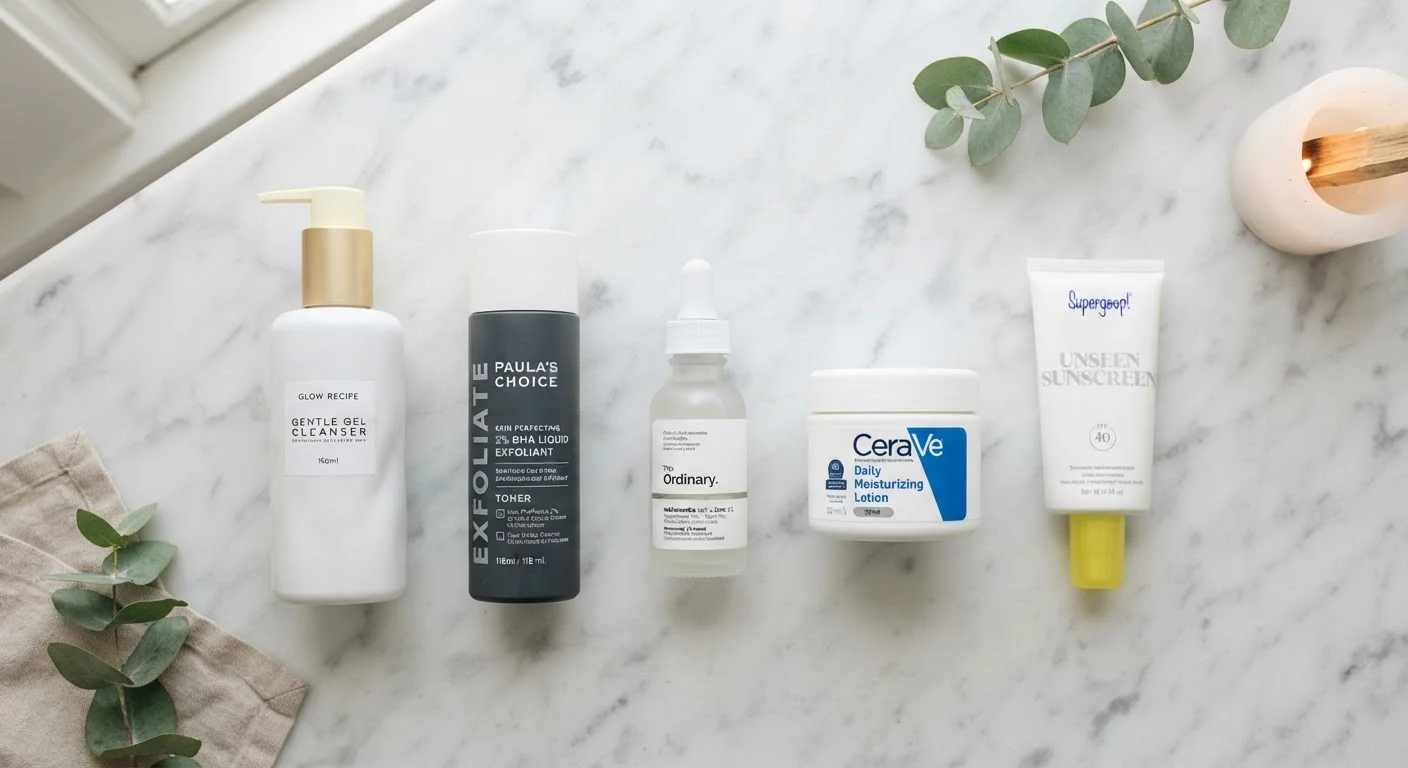
If you're building a routine from scratch, cleanser, moisturizer, and SPF are the non-negotiable starting trio. Everything else builds from there.
This article is for general informational purposes only and does not constitute medical or dermatological advice. Consult a qualified dermatologist or healthcare provider for personalized skincare guidance, especially if you have a skin condition or sensitivity.