Why This Distinction Actually Matters
Here's a scenario: you have oily skin, so you use a stripped-down, oil-free routine. But lately your face feels tight and flaky. You assume something's wrong with your products — when actually, you've dehydrated your skin by over-cleansing. You're still oily type, but you've developed a dehydrated condition. These are two different things, and treating them the same way is one of the most common — and costly — skincare mistakes people make.
Understanding this split doesn't require a dermatology degree. It just requires knowing what each term actually refers to. Once you do, the noise around serums, moisturizers, and toners starts to clear. See our step-by-step skincare guide to understand how each product layer fits into the bigger picture.
Skin Type: Your Genetic Starting Point
Skin type is determined largely by genetics and refers to how your skin naturally behaves without any external interference. The four main types — oily, dry, combination, and normal — are defined primarily by how much sebum (oil) your skin produces and how your pores function.
- Oily: Visibly shiny skin, enlarged pores, prone to blackheads and breakouts
- Dry: Feels tight, looks dull, may flake without adequate moisture
- Combination: Oily in the T-zone (forehead, nose, chin), drier on the cheeks
- Normal: Balanced oil production, minimal sensitivity, even texture
Your type can shift gradually with age or hormonal changes, but it doesn't flip overnight. It's your skin's default state — the baseline you return to when nothing unusual is going on.
| Criterion | Skin Type | Skin Condition |
|---|---|---|
| Determined by | Genetics and biology | Environment, lifestyle, products |
| Duration | Lifelong (shifts gradually) | Temporary, can change quickly |
| Examples | Oily, dry, combination, normal | Dehydrated, sensitive, breakout-prone |
| How to address it | Build a consistent baseline routine | Targeted treatments and adjustments |
| Can you have both at once? | Yes — e.g., oily type | Yes — e.g., with dehydrated condition |
Skin Condition: What's Happening Right Now
Skin conditions are temporary states layered on top of your type. They're driven by factors like weather, stress, diet, hormones, sleep, or the products you're currently using. Common skin conditions include:
- Dehydration: Skin lacks water — can affect any skin type, including oily
- Sensitivity: Reactive, easily irritated skin — often triggered by an ingredient or environmental factor
- Breakout-prone: Active acne flare-ups, often tied to hormones or product buildup
- Hyperpigmentation: Dark spots or uneven tone from sun exposure or inflammation
Conditions are responsive — they improve when you address the cause. That's good news. But it also means they require different, often more specific care than your everyday type-based routine. Seasonal changes are one of the most common triggers for shifting conditions, so don't be surprised if your skin behaves differently in January versus July.
Sensitive: Type or Condition?
Sensitivity is a common source of confusion — it can be both. Some people are genetically predisposed to reactive skin (a type trait), while others develop sensitivity from over-exfoliation, harsh products, or environmental stress (a condition). If your sensitivity appeared suddenly or recently, treat it as a condition first. If it's been with you your whole life, it may be part of your baseline type. When sensitivity is persistent or severe, a dermatologist can help clarify the cause.
How to Read Products With This Framework
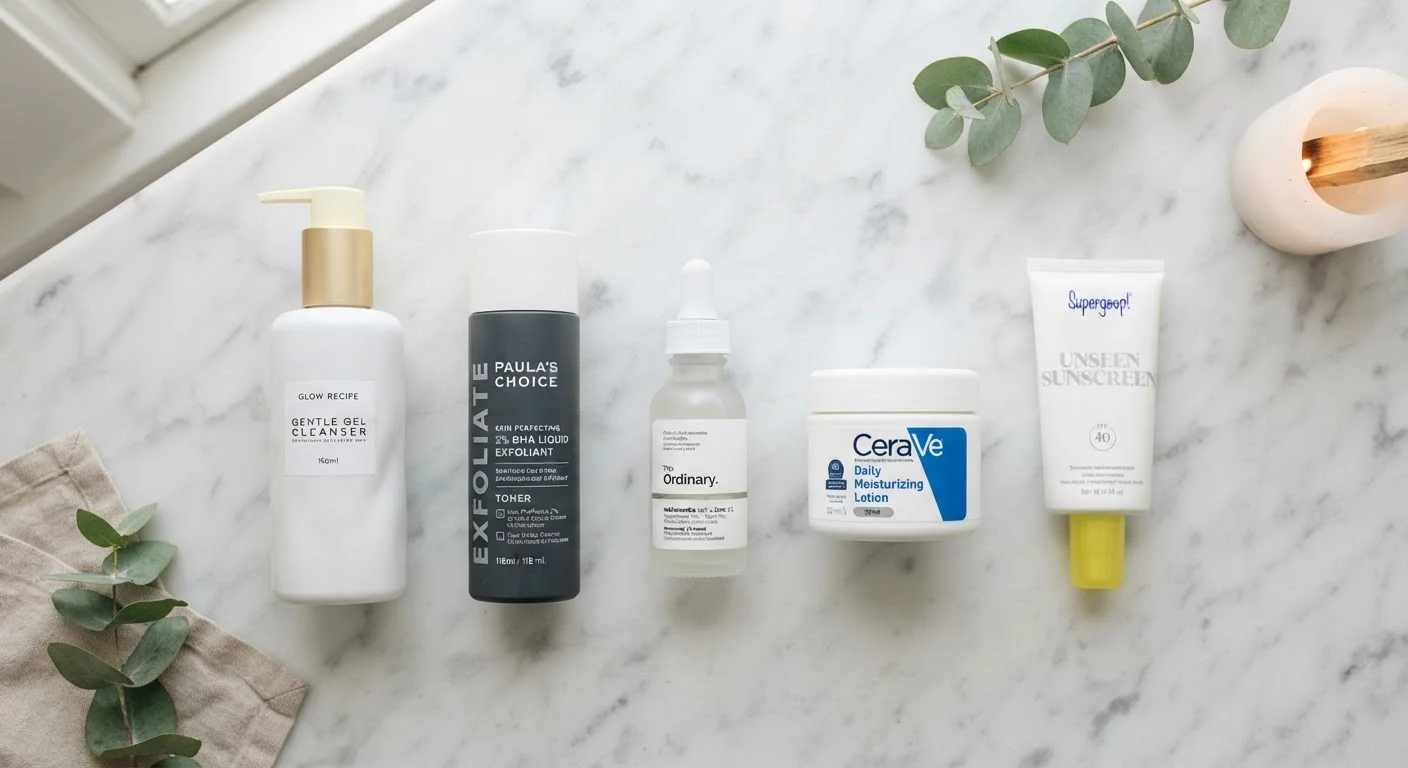
Once you separate type from condition, product labels start making more sense. A moisturizer labeled "for oily skin" is formulated around a type — it's lightweight and non-comedogenic. A serum labeled "for dehydrated skin" is targeting a condition — it's loaded with humectants like hyaluronic acid to draw water into the skin.
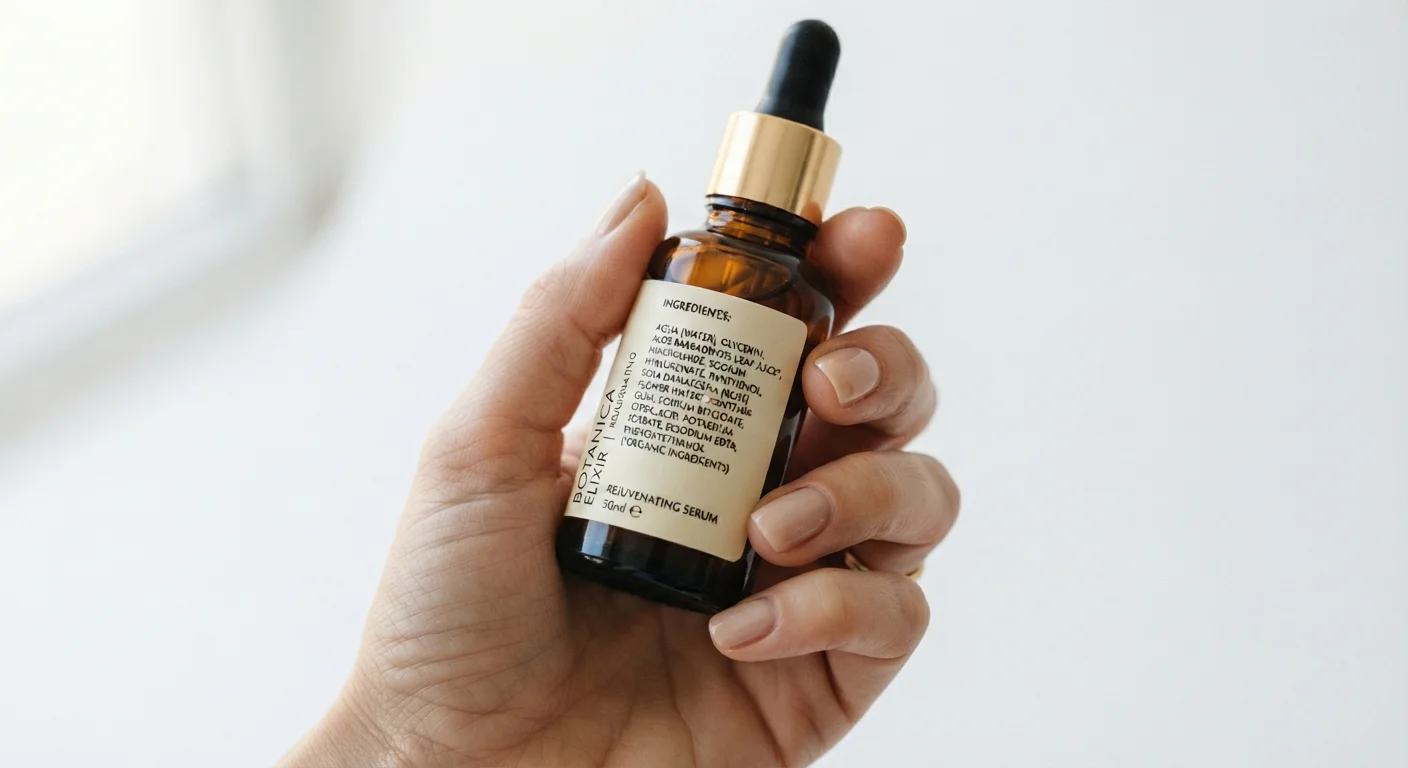
You might need both. And that's completely normal. The goal is to maintain your skin's health at the type level while addressing active conditions as they arise. Learning to read ingredient labels can help you spot which products are built for lasting use and which are designed for targeted, temporary support.
The most effective routines are layered with intention. When you understand both dimensions of your skin, you stop chasing trends and start making smarter, calmer decisions — which is exactly the kind of no-fuss approach that delivers real results over time.