What Is a Style Archetype, Anyway?
A style archetype is a shorthand name for a recognizable aesthetic pattern — a cluster of colors, silhouettes, fabrics, and cultural references that tend to show up together. Think of archetypes the way you think of genres in music: they help you orient yourself without locking you into a single playlist forever.
Using this vocabulary is genuinely useful. When you can name what draws you in — "I love the clean lines of classic dressing" or "I'm always reaching for something with an earthy, layered feel" — you shop smarter, waste less, and feel more confident getting dressed. If you're just beginning to explore your aesthetic, this beginner's guide to finding your style is a great companion resource.
The key mindset shift: archetypes are descriptive, not prescriptive. Most people are an intentional blend of two or three.
| Number of core archetypes | 8 widely recognized categories |
| Most common real-world approach | Blending 2–3 archetypes |
| Primary use of archetype labels | Self-discovery, shopping focus, style communication |
| Key defining elements | Silhouette, palette, fabric, and cultural reference |
The Core Style Archetypes Defined
Here are the most widely recognized style archetypes, decoded in plain English:
- Classic
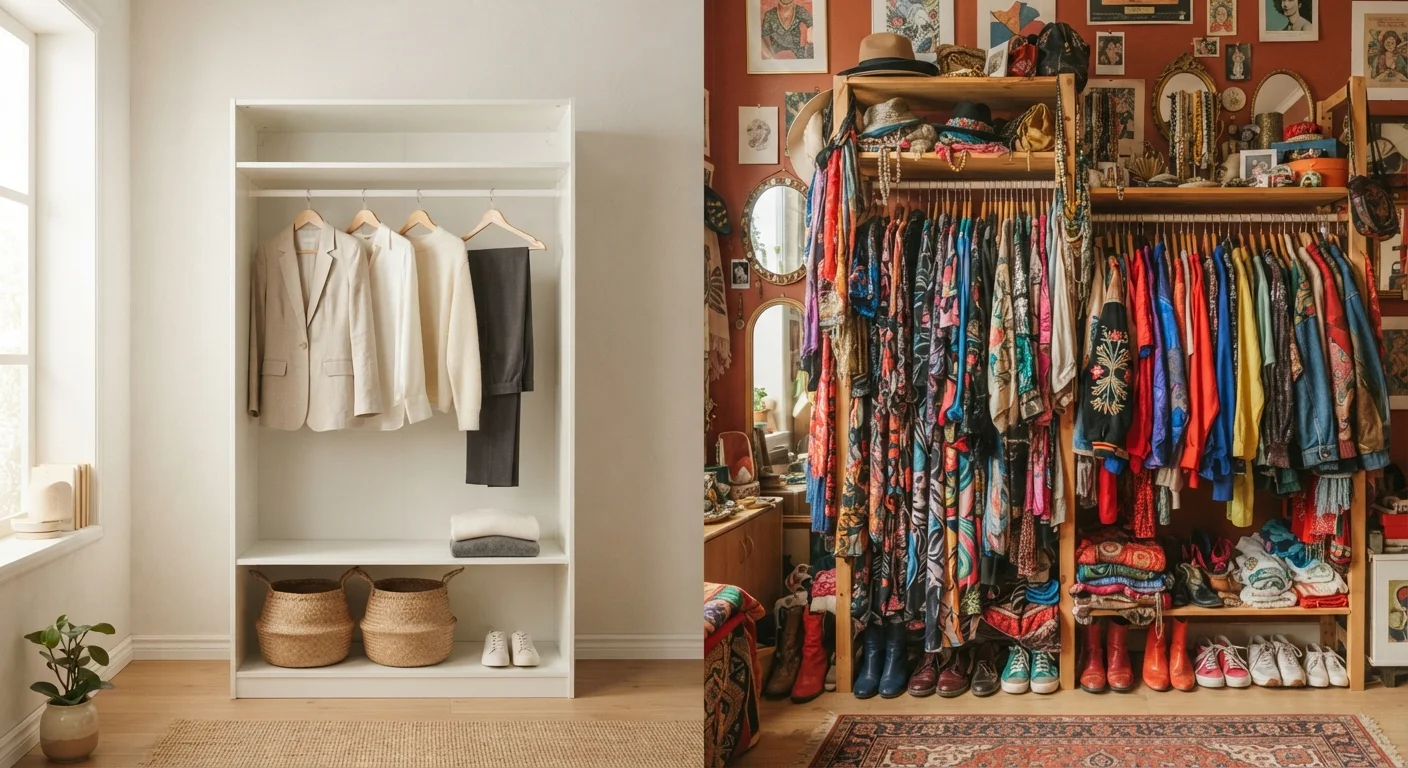
- Timeless silhouettes, neutral palettes, and quality fabrics that resist trend cycles. Think tailored trousers, button-down shirts, structured coats, and minimal accessories. The goal is polished and enduring rather than of-the-moment.
- Bohemian (Boho)
- Relaxed, free-spirited dressing rooted in folk, artisan, and global textile traditions. Flowing maxi skirts, embroidery, earthy tones, and layered jewelry are hallmarks. Texture and pattern variety are celebrated.
- Streetwear
- Urban, casual, and often rooted in skate, hip-hop, and youth subculture. Oversized fits, graphic tees, hoodies, sneakers, and bold logos characterize this aesthetic. Comfort and cultural currency matter equally.
- Preppy
- Collegiate and clean-cut, borrowing cues from Ivy League campus dress. Polo shirts, chinos, cable-knit sweaters, loafers, and a preference for navy, red, and green define the look. Often crisp but never overly formal.
- Minimalist
- Stripped-down and intentional — a tightly edited wardrobe of neutral-toned, well-fitting pieces with no excess. The philosophy here is that fewer, better items do more work than a closet full of options.
- Romantic
- Soft, feminine, and detail-rich. Ruffles, lace, florals, blush tones, and delicate fabrics like chiffon feature prominently. The mood is dreamy and expressive rather than structured.
- Edgy / Alternative
- Dressing that deliberately subverts mainstream norms. Leather, hardware, dark palettes, asymmetry, and unconventional silhouettes are common signals. Rooted in punk, goth, and rock subcultures.
- Athleisure
- Athletic-inspired clothing designed to transition between activity and everyday life. Leggings, performance fabrics, clean sneakers, and zip-up layers define the aesthetic. Practicality and ease are non-negotiable.
Style archetype
A named aesthetic category that groups recognizable clothing choices, color palettes, and cultural references. Archetypes are descriptive tools, not rigid identities.
Silhouette
The overall shape or outline a garment creates on the body — for example, oversized, fitted, A-line, or tailored. Silhouette is one of the defining features of most style archetypes.
Capsule wardrobe
A tightly edited collection of versatile, interchangeable pieces that form the foundation of an outfit-ready closet. Often associated with minimalist and classic archetypes.
Aesthetic
A broad term for a cohesive visual style or sensibility — the overall look and feel a wardrobe communicates. Style archetypes are one way to define and refine your personal aesthetic.
Hybrid style
A personal aesthetic that intentionally blends two or more archetypes. Most people's genuine style expression falls somewhere between named categories rather than squarely inside one.
How to Use Archetypes Without Getting Boxed In
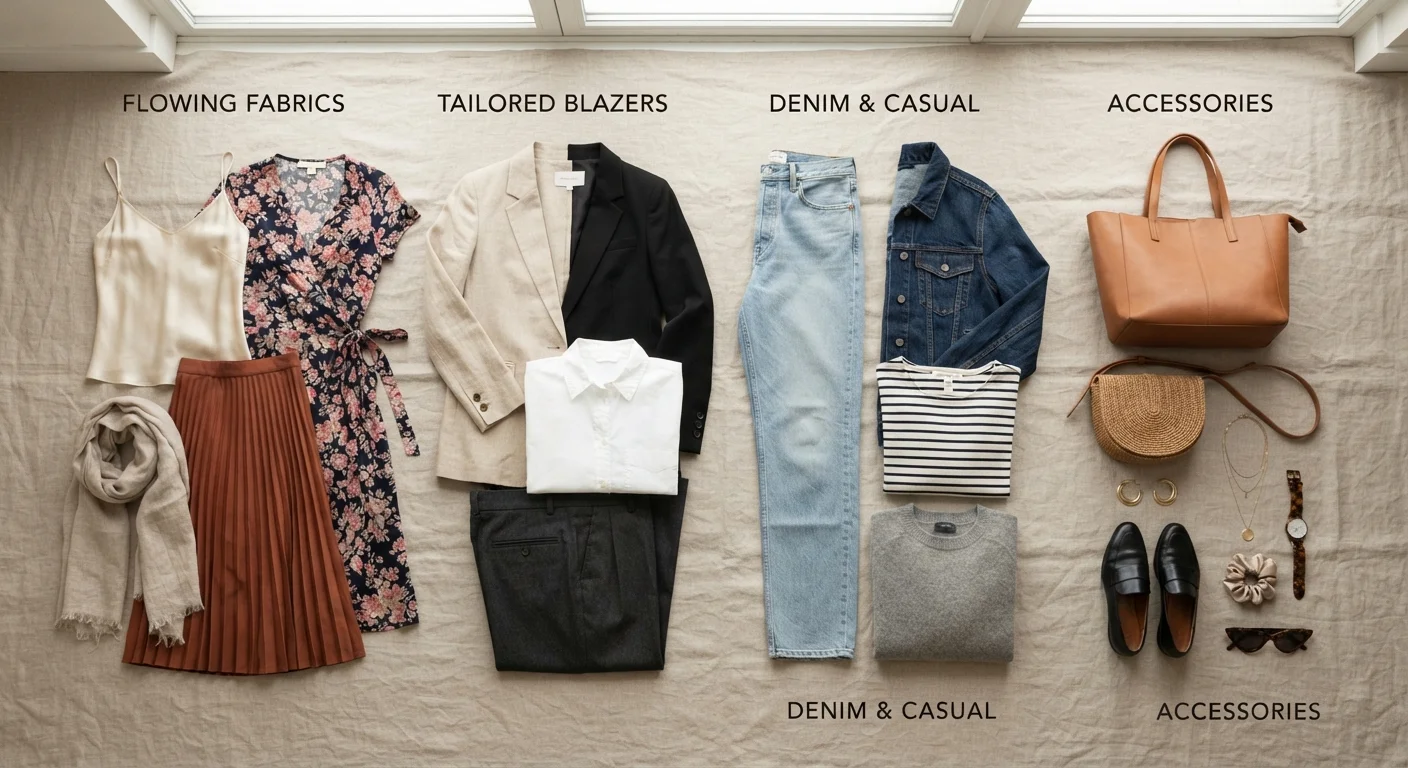
Here's where style gets interesting: the most compelling personal aesthetics are almost always hybrid. A classic-romantic wardrobe pairs structured blazers with silk blouses and floral accessories. A streetwear-minimalist approach keeps the casual ease of oversized pieces but strips away logos in favor of clean, tonal dressing.
2–3
Archetypes most people naturally blend
Style professionals and wardrobe consultants commonly observe that authentic personal style rarely fits neatly into a single named category.
8
Core style archetypes covered in this guide
While dozens of micro-aesthetics exist online, these eight form the foundational vocabulary used across fashion education and personal styling practice.
A useful exercise: identify your top two archetypes and look for the overlap — the pieces that live comfortably in both worlds. That overlap is often where your signature style lives. For practical guidance on building a wardrobe around your archetype mix, explore whether a capsule or maximalist approach suits you best.
It's also worth noting that context shapes expression. Your bohemian aesthetic at a weekend farmer's market may need to translate to a meeting room Monday morning — navigating dress codes without losing your personal style is entirely doable with a bit of intentionality. And if you love the idea of blending references from different archetypes simultaneously, mixing patterns, textures, and eras shows you the visual principles that keep bold combinations feeling cohesive.
The bottom line: archetypes are vocabulary, not verdicts. Use them to communicate — with yourself, with a stylist, or when searching for inspiration — and then dress exactly as complexly as you actually are.