
Why Depreciation Is the Cost Most Drivers Overlook
When drivers calculate the cost of owning a vehicle, they typically think about fuel, insurance, and repairs. What rarely enters the conversation is depreciation — even though it often accounts for more of a vehicle's true cost than any of those line items combined.
Depreciation is invisible in the sense that you don't write a check for it each month. But when you trade in or sell a vehicle, the gap between your purchase price and your return is very real. Understanding how and why it happens gives you a clearer picture of what vehicle ownership actually costs. For a broader view of often-overlooked expenses, see the hidden costs of vehicle ownership.
~20%
Average first-year value loss for new vehicles
Industry estimates consistently place first-year depreciation in the 15–25% range depending on make, model, and segment.
~50%
Value lost after five years of ownership
Many new vehicles lose approximately half their original purchase price within the first five years, according to automotive valuation research.
#1
Depreciation's rank among vehicle ownership costs
For many drivers, depreciation exceeds fuel, insurance, and maintenance as the largest single cost of owning a new vehicle.
How Quickly Do Vehicles Lose Value?
Depreciation is not a steady, linear decline. It is front-loaded — meaning the sharpest losses happen earliest in a vehicle's life.
- Year 1: A new vehicle can lose 15–25% of its purchase price in the first twelve months.
- Years 1–3: Cumulative depreciation can reach 35–40% for many vehicles.
- Years 1–5: By the five-year mark, many cars have lost close to half their original value.
- Years 5+: The rate of depreciation typically slows, though the vehicle continues to lose value.
This curve is why a two- or three-year-old used vehicle can represent a meaningfully different ownership proposition than a brand-new one — the steepest value drop has already occurred.
Key Factors That Influence How Fast a Car Depreciates
Not all vehicles depreciate at the same pace. Several variables influence how quickly a car loses its market value:
- Mileage
- Higher mileage signals more use and wear. The used-car market prices mileage heavily, and vehicles with significantly above-average annual mileage typically sell for less.
- Condition
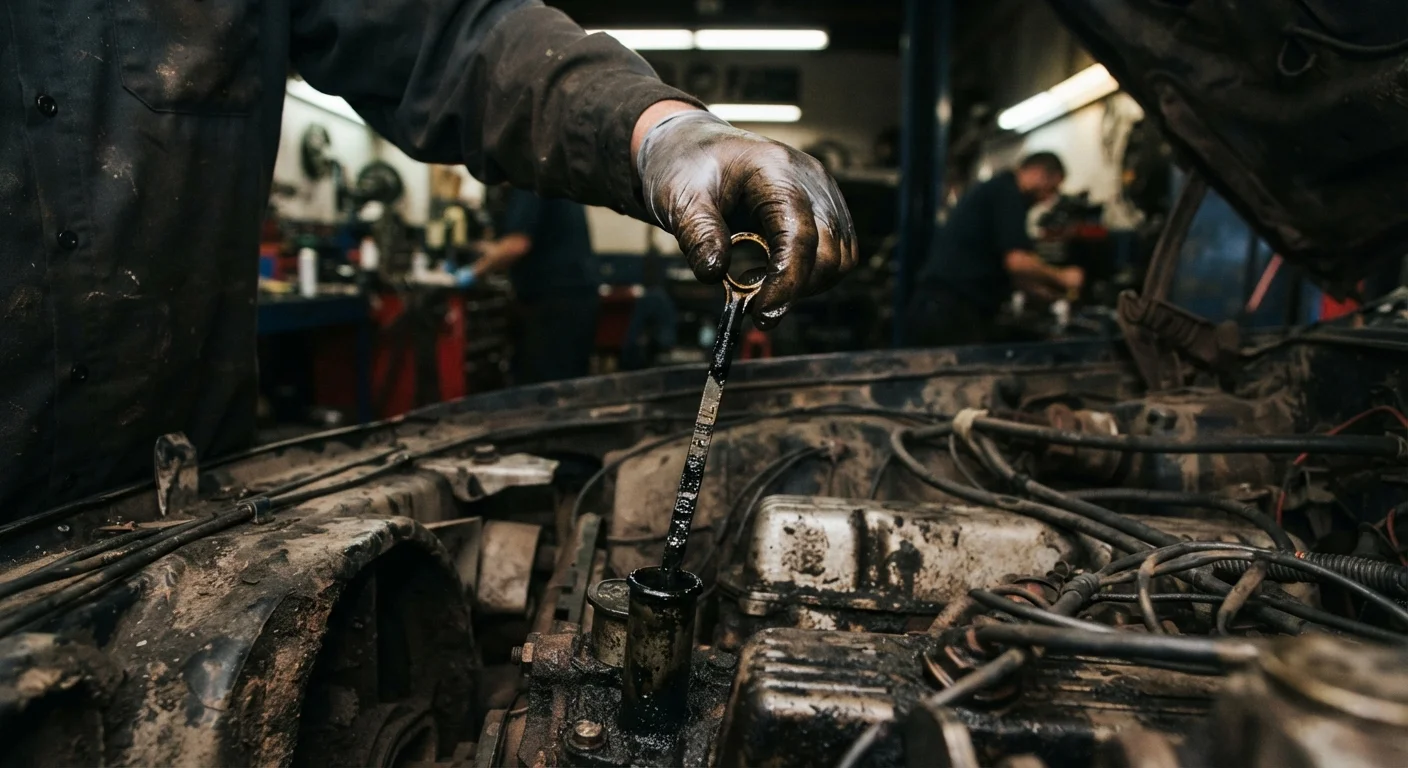
- Mechanical reliability, interior quality, and exterior appearance all affect resale value. A car with a documented service history — including regular oil changes — consistently commands higher offers. Skipping routine maintenance can accelerate both mechanical decline and value loss.
- Brand and model reputation
- Vehicles perceived as reliable or in high demand in the used market hold value better. Segment trends matter too — demand for certain body styles shifts over time.
- Accident and title history
- A vehicle with a reported accident, salvage title, or undisclosed damage history depreciates significantly faster. Buyers rely on vehicle history reports to assess this risk. Understanding a vehicle history report is essential when evaluating used cars.
- Market conditions
- Supply and demand in the broader automotive market affect resale prices. Economic conditions, fuel prices, and new vehicle inventory levels can all influence how quickly used vehicles depreciate in a given period.
Preserve Value With Consistent Documentation
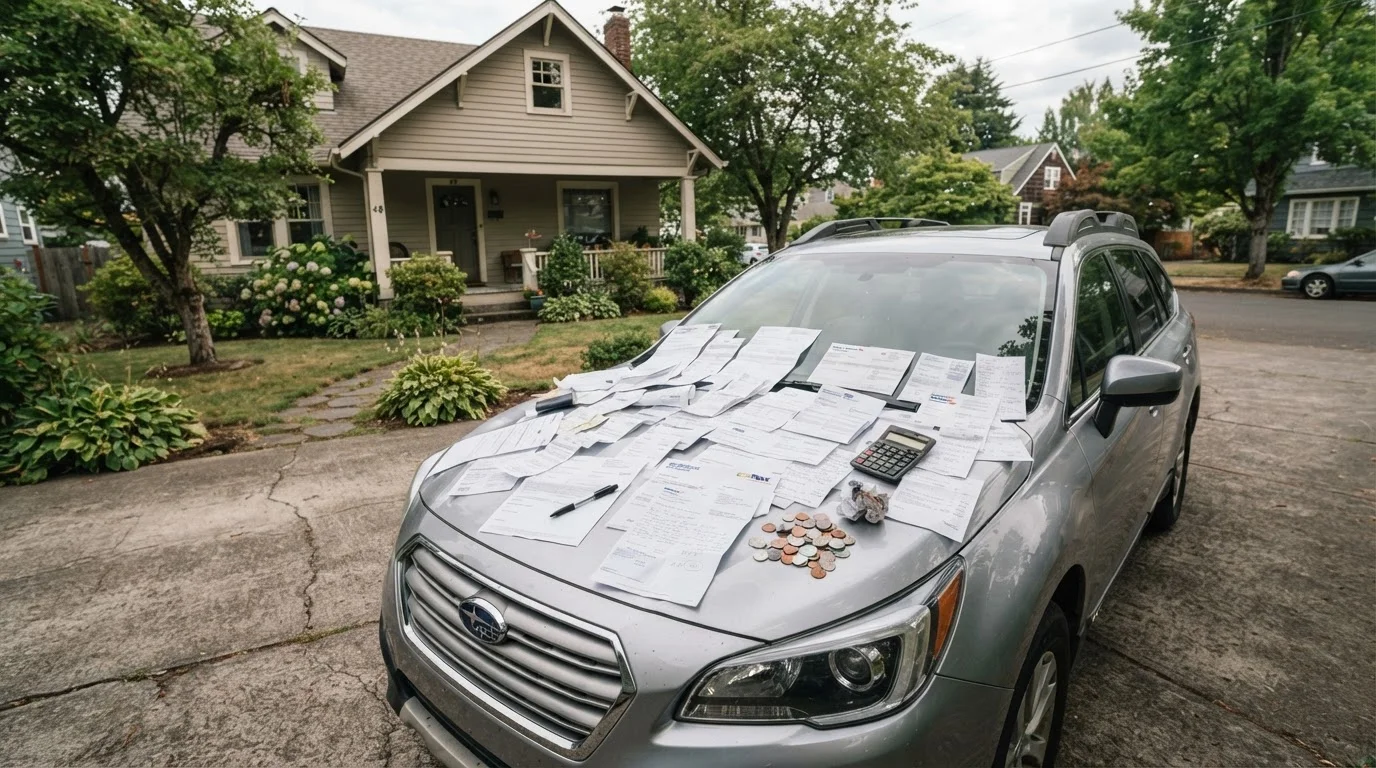
Keeping organized records of every service appointment — oil changes, tire rotations, repairs — creates a verifiable maintenance history that buyers and dealers value. A documented service record signals responsible ownership and can meaningfully influence your vehicle's resale price. Store receipts digitally or in a dedicated folder in the vehicle.
What Depreciation Means for Long-Term Ownership
The relationship between depreciation and long-term ownership is often misunderstood. Drivers who hold a vehicle for ten or more years spread that depreciation loss over a longer period, which can reduce the average annual cost of the vehicle's value decline.
Vehicles that reach high mileage with good reliability histories also retain more practical value, even if their market resale price is low. Caring for your vehicle consistently is one of the most effective ways to support both longevity and retained value.
Whether you're weighing when to sell, how to compare ownership costs, or simply trying to understand where your money goes, depreciation belongs in every honest assessment of what a vehicle costs you over time.
This article is for general informational and educational purposes only. It does not constitute financial or purchasing advice. Resale values vary significantly by vehicle, market, and individual circumstances. Consult a qualified professional for decisions specific to your situation.