Why Regular Home Grooming Matters
Home grooming is far more than cosmetic maintenance. Routine brushing removes dead skin cells and loose fur, improves circulation, and distributes the natural coat oils that keep skin healthy. Regular handling also means you are more likely to notice early warning signs — a new lump, a skin rash, early-stage ear infection, or a broken nail — before they escalate into a veterinary concern.
For a broader picture of how grooming fits into your pet's overall care routine at every life stage, see the complete overview of routine pet care. If you are preparing for a new arrival, the home preparation checklist covers setting up a dedicated grooming space as part of your setup plan.
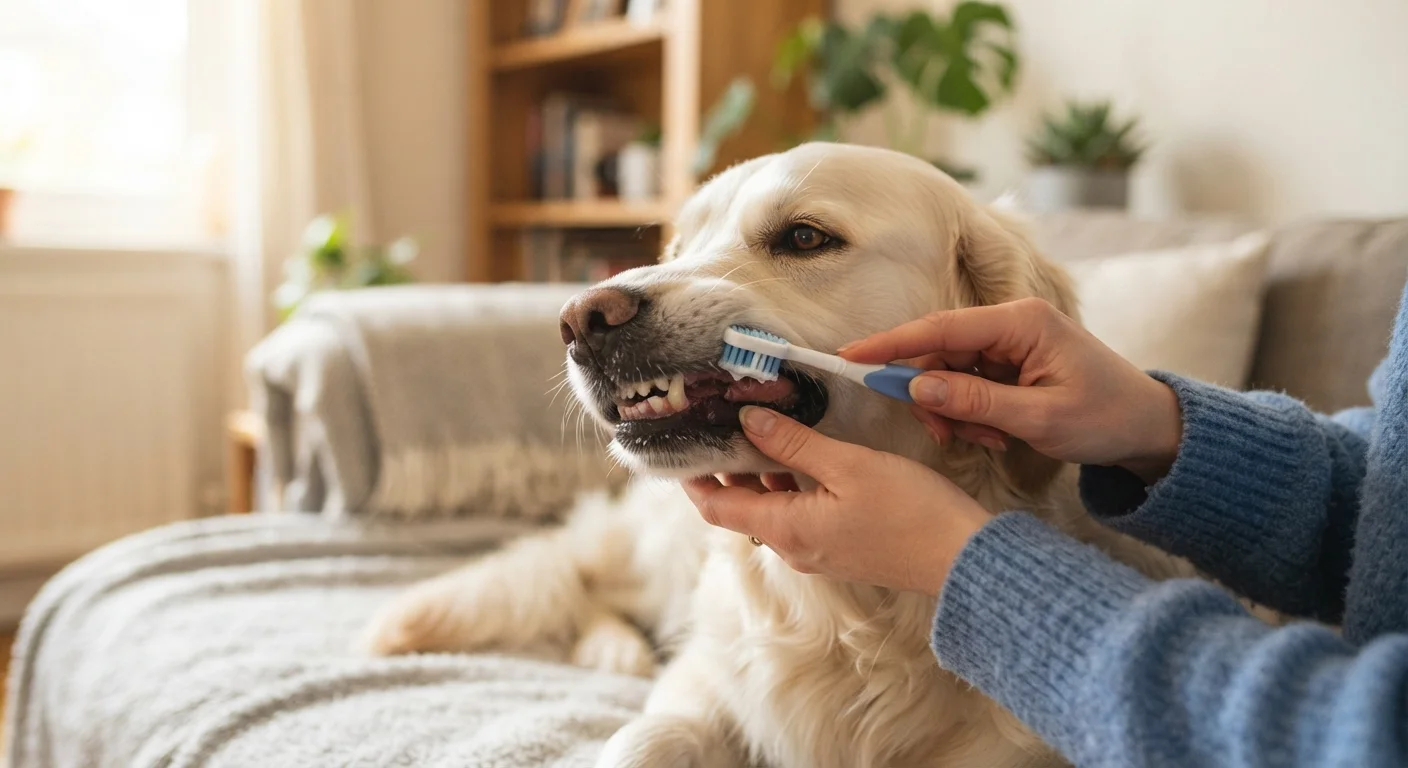
One often-overlooked dimension of grooming is oral health. Dental disease is among the most common conditions seen in companion animals, yet it is largely preventable with consistent home care. The guide to dental care in pets is a natural companion to the grooming routine covered here.
Frequency Depends on Coat Type
Short-haired dogs may only need weekly brushing, while double-coated or longhaired breeds often benefit from daily sessions during shedding seasons. Consult your veterinarian or a certified groomer if you are unsure what schedule suits your pet's specific coat. Regular grooming is also an opportunity to spot lumps, skin changes, or parasites early.
Tools and Setup
Having the right equipment on hand is the single biggest factor in whether a session goes smoothly. Struggling with the wrong brush for your pet's coat type, or searching for scissors mid-bath, creates the kind of frustration that teaches pets to dread grooming. Review the tool list below before your first session.
Slicker brush
Removes loose fur, detangles light mats, and distributes coat oils during routine brushing sessions.
Undercoat rake or deshedding tool
Reaches through the top coat to remove dense undercoat on double-coated breeds like huskies or labs.
Pet nail clippers
Safely trims nail tips without splintering, available in scissor or guillotine styles for different pet sizes.
Styptic powder
Stops minor bleeding quickly if the nail quick is accidentally nicked during trimming.
Pet-safe shampoo
Cleanses coat and skin without disrupting your pet's natural pH balance the way human shampoos would.
Grooming table or non-slip mat
Provides a stable, secure surface that reduces pet anxiety and prevents slipping during grooming.
What you will need
Step-by-Step: A Complete Home Grooming Session
Follow these steps in order to move through a full grooming session — brushing, bathing, and nail trimming — in a way that prioritizes your pet's comfort. Not every session needs to cover every task. Splitting tasks across multiple short sessions on different days is a legitimate and often preferable strategy for pets still building tolerance.
Set the stage before your pet enters the room
Gather every tool you need — brush, clippers, shampoo, treats — before bringing your pet into the grooming area. Scrambling for supplies mid-session raises stress for both of you. Choose a quiet room at a time when your pet is naturally calm, such as after a walk or a meal. Lay down a non-slip mat and keep the treat supply within easy reach.
Brush the coat thoroughly before any bathing
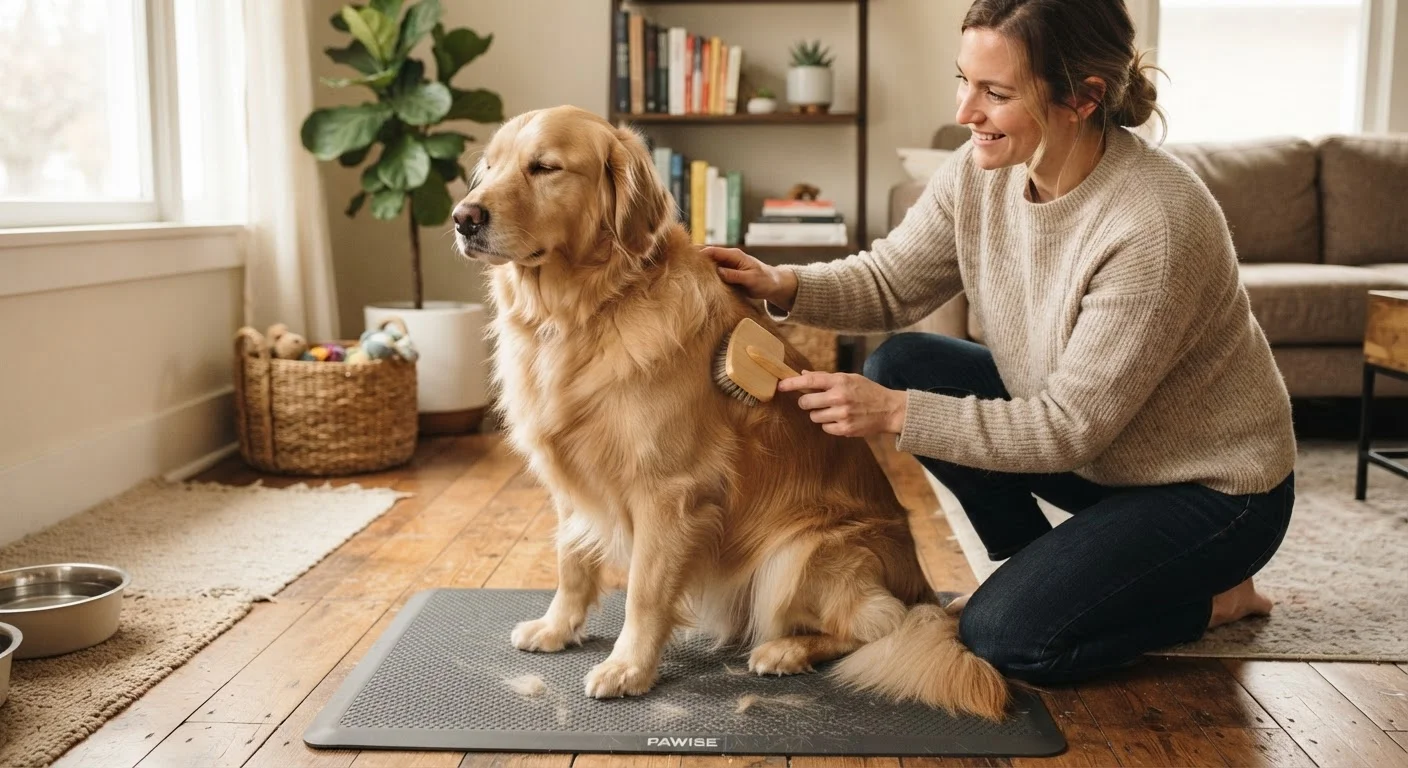
Always brush before bathing. Water tightens mats, making them nearly impossible to remove without scissors later. Work in the direction of hair growth, starting from the neck and moving toward the tail. Part long coats in sections and work through each layer. For cats, use a fine-tooth comb to catch tangles close to the skin — especially behind ears and under the foreleg 'armpits' where mats form first.
Bathe with lukewarm water and proper technique
Wet your pet's coat fully using lukewarm water — never hot. Apply a small amount of pet-safe shampoo and work it into the coat from neck to tail, avoiding eyes and ear canals. Rinse thoroughly until the water runs completely clear; any residue left behind can irritate skin. Towel-dry immediately, then use a low-heat dryer if needed, keeping it moving to prevent heat concentration on one spot.
Trim nails one small increment at a time
Hold the paw firmly but gently. Clip just the translucent tip of each nail at a 45-degree angle, staying well clear of the pink quick visible in light-colored nails. On dark nails, trim tiny slivers at a time and stop when you see a small gray or pink circle appear at the center of the cut surface — that indicates you are close to the quick. Do one paw per session if your pet is new to nail trims.
End every session with calm praise and a reward
Finish before your pet shows clear signs of stress — restlessness, lip-licking, pinned ears, or attempts to leave. Offer a high-value treat and calm, low-pitched verbal praise immediately after. This end-of-session reward is the single most powerful tool for building a cooperative grooming habit over time. Keep your own body language relaxed; pets read tension easily.
Know When to Call a Professional Groomer
Severely matted coats, large or multiple skin lesions, or pets with bite histories should be handled by a professional groomer or veterinary staff. Attempting to de-mat a heavily matted coat at home can cause skin tearing and significant pain. A groomer can also advise on breed-specific haircuts that are beyond the scope of home maintenance.
Never Use Human Products on Pets
Human shampoos, conditioners, and nail files are formulated for human pH levels and can cause serious skin irritation, dryness, or chemical burns in pets. This includes 'natural' or 'gentle' baby shampoos, which are still not pH-balanced for animal skin. Always use products specifically labeled safe for your species and, where relevant, your pet's age — some adult formulas are not safe for puppies or kittens.
Special Considerations for Cats
Most cats maintain their own coat hygiene effectively, as explained in the guide to cat self-grooming. However, longhaired breeds such as Persians and Maine Coons accumulate mats and require owner-assisted brushing several times per week. Senior or overweight cats may also struggle to reach certain areas and benefit from gentle assistance.
Cats are generally more sensitive to restraint than dogs. Keep sessions extremely short — two to three minutes maximum to start — and never attempt a full bath unless medically necessary and directed by a veterinarian. Focus home grooming for cats primarily on brushing, the occasional gentle wipe with a damp cloth, and monthly nail trims. Keeping indoor cats' environments mentally engaging also reduces stress-related over-grooming; the enrichment guide for indoor pets offers practical ideas.
This article is for general informational purposes and is not a substitute for professional veterinary advice. Always consult a licensed veterinarian regarding your individual pet's health and grooming needs.