What Research Tells Us About Lifespan
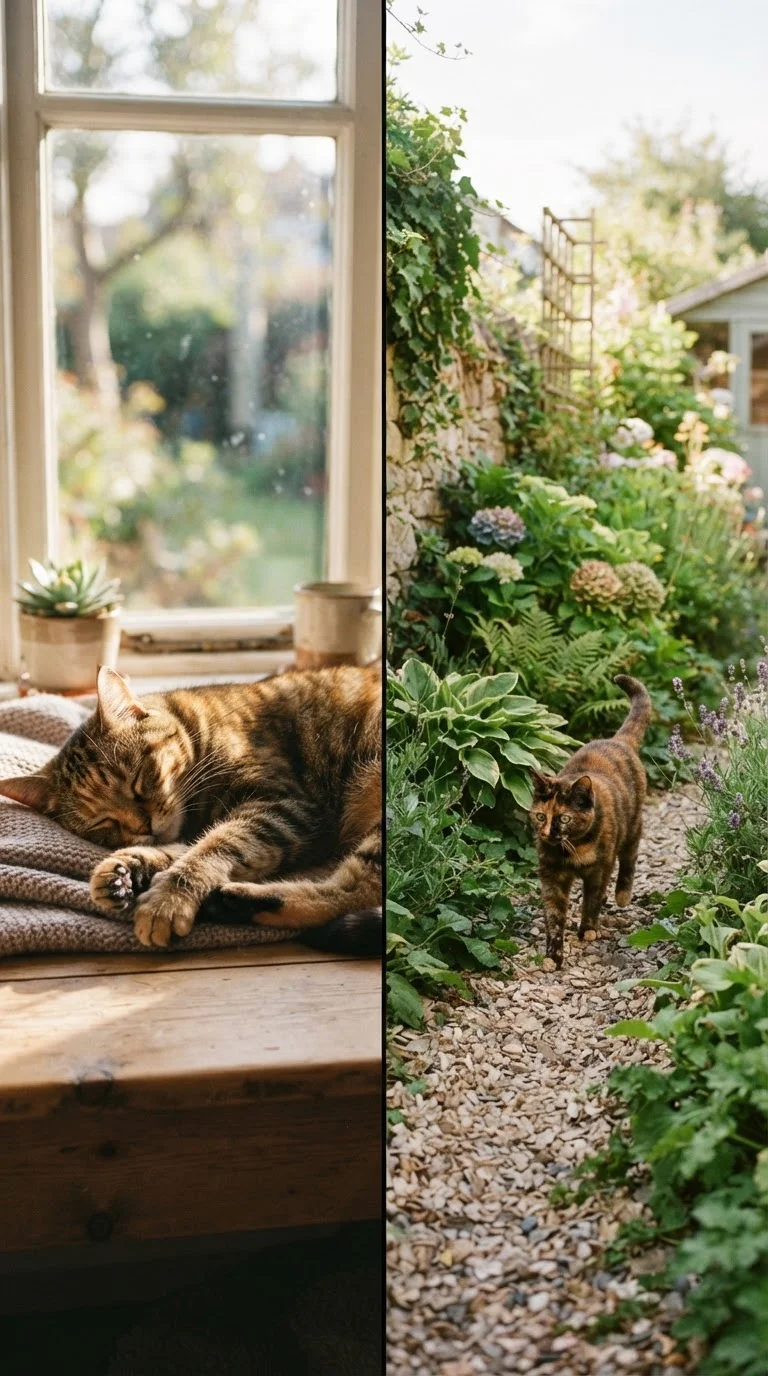
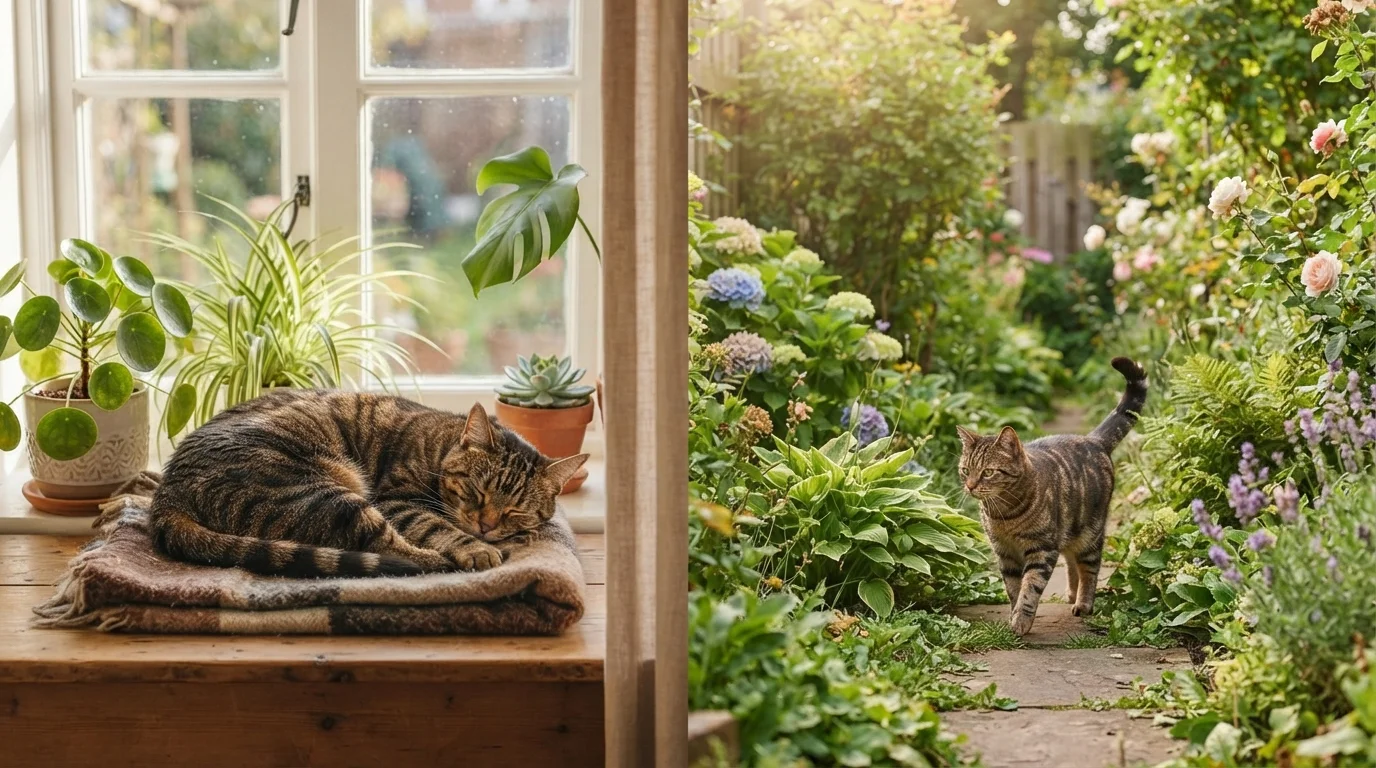
The lifespan difference between indoor and outdoor cats is one of the most consistently reported findings in feline veterinary literature. Indoor cats typically live between 12 and 18 years, while outdoor or free-roaming cats average closer to 2 to 5 years, according to estimates cited by veterinary schools and animal welfare organizations. Even cats with mixed access tend to fall somewhere between these figures.
The gap isn't driven by one cause — it reflects the cumulative effect of multiple hazards outdoor cats face daily. Vehicle collisions, attacks from dogs or wildlife, accidental poisoning, and exposure to contagious disease all shorten expected lifespan. For a deeper look at how these risk factors stack up across a cat's lifetime, see our article on how lifestyle shapes long-term health.
| Criterion | Indoor Cats | Outdoor Cats |
|---|---|---|
| Average lifespan | 12–18 years | 2–5 years |
| Infectious disease risk | Low (FIV, FeLV rarely encountered) | High (direct contact with other cats) |
| Parasite exposure | Low | High (fleas, ticks, worms) |
| Injury risk | Low | High (traffic, predators, fights) |
| Obesity risk | Higher without active enrichment | Lower due to physical activity |
| Behavioral stimulation | Requires deliberate enrichment | Naturally high |
| Wildlife impact | None | Significant (bird and small mammal predation) |
Health Risks: A Side-by-Side Look
Outdoor cats carry a measurably higher burden of infectious disease. Feline immunodeficiency virus (FIV) and feline leukemia virus (FeLV) spread primarily through bites and close contact with infected cats — exposures that are rare for cats kept indoors. Internal and external parasites, including roundworms, fleas, and ticks, are also significantly more common in cats with outdoor access.
Indoor cats are not without health risks of their own. A sedentary lifestyle combined with energy-dense commercial diets can contribute to obesity, which is linked to diabetes, joint disease, and urinary tract problems. Boredom and understimulation can also manifest as overgrooming, anxiety, or destructive behavior — issues that are often underdiagnosed. Providing adequate enrichment for indoor cats is an important part of preventive care, not just a lifestyle bonus.
12–18 yrs
Typical indoor cat lifespan
Veterinary and animal welfare organizations commonly cite this range for cats kept exclusively indoors.
2–5 yrs
Typical outdoor cat lifespan
Free-roaming cats face compounded hazards that significantly reduce average life expectancy compared to indoor counterparts.
~60%
US cats kept primarily indoors
Survey data from the American Pet Products Association indicates the majority of owned cats in the US live primarily indoors.
Behavioral Needs and Environmental Enrichment
Cats are obligate hunters with sensory systems built for exploration, stalking, and variable stimulation. Outdoor environments deliver all of this naturally — changing smells, sounds, textures, and the unpredictability of live prey. Indoor environments, by contrast, require deliberate design to meet these same needs.
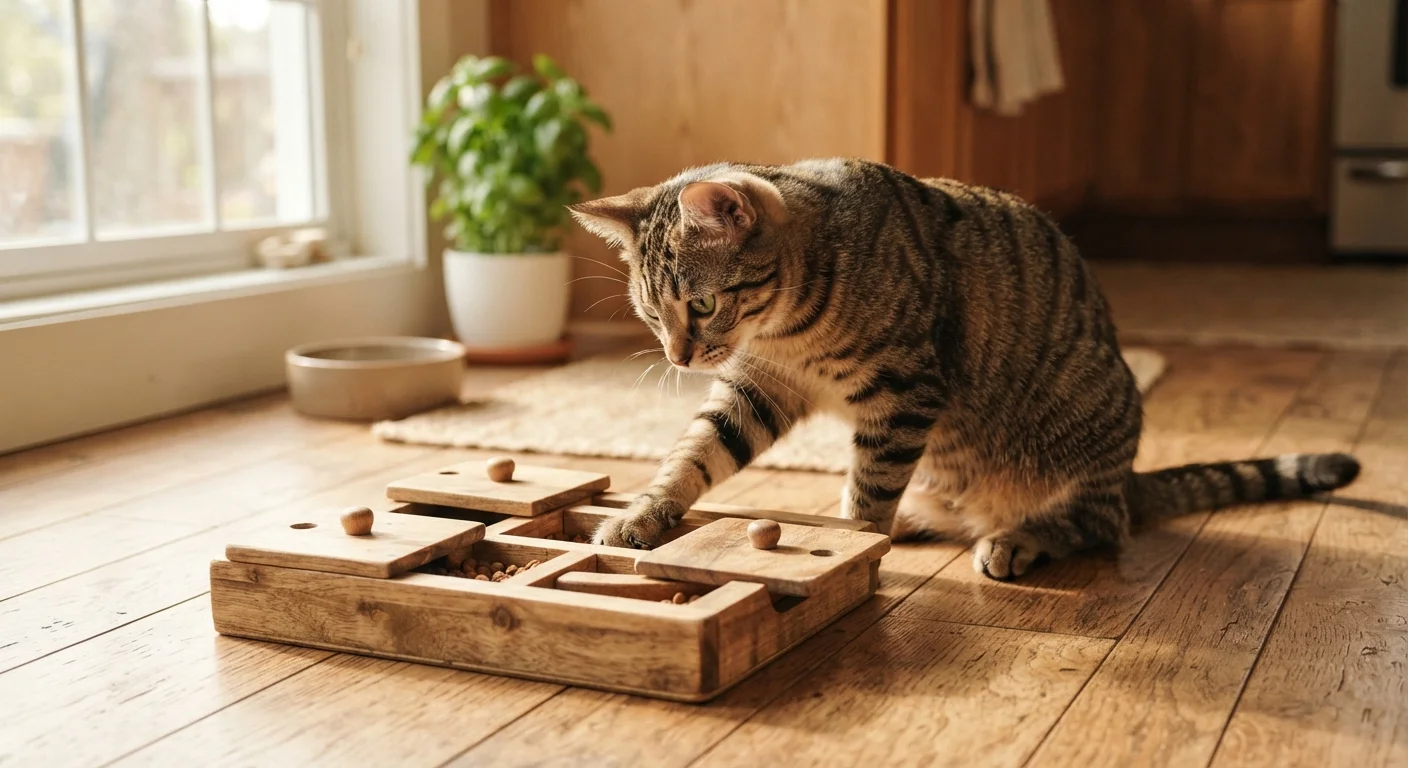
Research on feline behavior suggests that cats deprived of adequate stimulation show elevated stress markers and are more prone to inter-cat conflict in multi-pet households. If you share your home with other species as well, see our guidance on managing multi-pet households for practical strategies. Vertical space, puzzle feeders, rotating toys, window access, and regular interactive play sessions can meaningfully offset the stimulation deficit of indoor living.
What About 'Indoor-Outdoor' Cats?
Many owned cats fall into a middle category — allowed outdoors during the day but returning home at night. Research suggests these cats face lower risks than fully free-roaming cats but still encounter significantly more hazards than exclusively indoor cats. Supervised access and up-to-date vaccinations are particularly important for cats in this group. Discuss your cat's specific routine with your veterinarian to determine the most appropriate preventive care schedule.
Finding the Right Balance for Your Cat
No single lifestyle is right for every cat. A confident, high-energy cat raised with outdoor access may struggle to adapt to full indoor living, while a timid cat that never goes outside may thrive without ever needing to. Individual temperament, health status, vaccination history, and your local environment all factor into what makes sense for your household.
Middle-ground options — supervised outdoor walks on a harness, secure garden enclosures, or window tunnels — are gaining recognition among veterinarians as practical ways to reduce outdoor risk while preserving behavioral benefits. Whatever approach you choose, regular veterinary checkups remain essential. The evidence base continues to evolve, and a veterinarian familiar with your cat's history is best placed to guide decisions about lifestyle, vaccination schedules, and parasite prevention. For broader context on both lifestyles, our article on what the evidence says covers the topic in additional depth.
This article is intended for general informational purposes only and does not constitute veterinary or medical advice. Always consult a licensed veterinarian for guidance specific to your cat's health and circumstances.